
Add Row
Add Element
cropper
update
BuildingConstructionTrade |a CapidHouser.com Media Site
update
Add Element
  • Home
  • Categories
    • roofing
    • loft conversion
    • Residential Buildings
    • office building
    • Plastering Rendering Screeding
    • Windows Glazing Doors
    • building machinery
    • groundworks
    • Building Construction Techniques
    • DIY
  • Scaffolding
  • Skip Hire Waste Removal
  • Home Extensions
  • Building Protective Coatings
  • Garden Rooms
  • Driveways
  • Building & construction marketing
  • featured business profiles
  • Architecture And Design
  • Materials
  • commercial construction
June 04.2025
2 Minutes Read

Construction of $10 Billion Manhattan Bus Terminal Begins: What It Means for Commuters

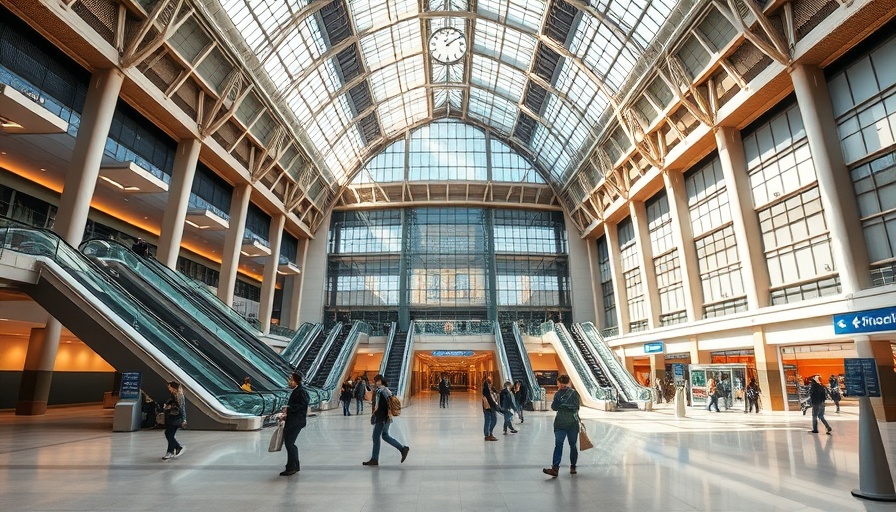
Modern Midtown bus terminal transformation with spacious design.

The Beginning of a New Era in Transportation

Construction has officially begun on Manhattan's much-anticipated $10 billion Midtown Bus Terminal transformation. This ambitious project aims to replace the aging 75-year-old depot with a cutting-edge hub designed to enhance commuter experience while prioritizing sustainability. Set to create 6,000 union jobs, the new terminal will not only serve as a transit point but as a vibrant community space featuring nearly four acres of publicly accessible green areas.

Modern Infrastructure for Modern Needs

As New York Governor Kathy Hochul stated during the ceremonial groundbreaking, the transformation reflects a commitment to modern infrastructure that blends both functionality and community values. The project will incorporate elements such as net-zero emissions initiatives and direct access to the Lincoln Tunnel, positioning it as a world-class facility.

A Closer Look at the Project Stages

The construction is set to occur in phases, with the Dyer Avenue deck-overs being among the first to be built. These structures will not only facilitate temporary operations during construction but will also be integrated into the design of the new terminal. By modernizing the existing, functionally obsolete terminal, the Port Authority is paving the way for a more cohesive transportation experience.

Benefits Beyond Transportation

Expected to accommodate hundreds of thousands of commuters daily, the new terminal will greatly reduce congestion in an area known for its high traffic. New Jersey Governor Phil Murphy highlighted how this overhaul is a significant step towards improving the overall transportation infrastructure, ultimately making transit easier for residents and visitors alike.

Looking Forward

This transition marks a pivotal moment for New York City's public transport landscape. As these developments unfold, they underscore a broader trend towards rethinking urban transportation systems. Stakeholders in the construction and transportation fields should keep a close eye on this project, as it sets the standard for future infrastructure initiatives.

building machinery

10 Views

0 Comments

Write A Comment

*
*
Related Posts All Posts
02.14.2026

Discover Valuable Insights from Yoder & Frey’s 4-Day Florida Auction

Update Yoder & Frey Conducts a Thrilling 4-Day Equipment Auction in KissimmeeKissimmee, Florida, played host to the highly anticipated Yoder & Frey auction from February 11-14, attracting buyers from various sectors keen on upgrading their machinery. The annual event featured an impressive lineup of over 5,500 items ranging from excavators and motor graders to pavers and telehandlers, creating a vibrant marketplace for construction and heavy equipment.Extensive Equipment OfferingsThroughout the four days of the auction, bidders had access to a diverse assortment of machinery tailored for building and construction needs. Notable equipment included:Excavators and mini-excavatorsMotor graders and dumpersBackhoes and milling machinesPavers and telehandlersA variety of attachments and accessoriesThis diverse selection allows companies to find precisely what they need to enhance their operational efficiency, making it a valuable opportunity for building companies in Florida.Interactive Bidding OptionsYoder & Frey adopted a modern approach by offering both onsite and online bidding, making it accessible for a broader audience. This hybrid model democratizes the auction experience, enabling those unable to attend in person to still participate actively and potentially secure their desired equipment. Online platforms have revolutionized how bidding occurs, breaking geographical barriers and allowing easy access, especially in industries dependent on heavy machinery.Why Attend? Insights into the Auction's ValueFor building companies, participating in such auctions provides not only the chance to purchase essential equipment at competitive prices but also an opportunity for networking with industry professionals. The camaraderie and insights shared during these events can lead to potential partnerships and collaborations in the future. Furthermore, understanding market trends and pricing through such live events equips businesses with strategic knowledge critical for informed decision-making.In Conclusion: Seizing the MomentThe Yoder & Frey auction in Kissimmee is a significant event for building companies. As the construction industry continues evolving, staying updated and proactive is crucial. If you missed this auction, consider setting reminders for future events as they not only provide equipment but also valuable insights into the heavy machinery market.

02.12.2026

How Construction Jobs Are Transforming Economic Growth and Opportunity

Update Construction Jobs Drive Economic Growth In January 2026, the U.S. economy saw the addition of 130,000 new jobs, with construction accounting for a significant 33,000 of these positions. This remarkable statistic, shared by Megan Tanel, the president and CEO of the Association of Equipment Manufacturers (AEM), underscores the vital role that the construction industry plays as an engine of economic expansion. AEM has been instrumental in highlighting the continuous connection between infrastructure investment, private development, and job creation in the construction sector. Importance of Infrastructure Investment The sustained hiring trends reflect broader economic confidence, particularly in infrastructure. Government and private sectors alike are stepping up investments, leading to a surge in construction activity. As Tanel stated, "Construction continues to be a powerful engine of economic growth." This is not just about creating jobs; it's about laying the groundwork for future development and smart urban planning. Embracing Technology for the Future With the industry's growth momentum, construction companies are increasingly investing in advanced equipment and digital tools to streamline their operations. Upcoming events like ConExpo-Con/AGG 2026 will showcase innovations such as automation and new technology that promise to reshape job sites. These advancements not only increase efficiency but also address workforce development challenges, ensuring that skilled labor can keep pace with evolving industry needs. What This Means for Building Companies Building companies should take note of these trends—investing in technology and training to stay competitive is crucial in an ever-evolving market. Moving forward, the ability to adapt to new methodologies and equipment will be essential for success. The convergence of technological innovation and construction is paving the way for greater job security, safety, and efficacy in the field. Conclusion: A Call to Action for Industry Engagement As the construction sector continues to thrive, staying informed about job trends and technological advancements is imperative. Companies are encouraged to participate in industry events and invest in their workforce to harness these opportunities effectively. By doing so, they ensure not only their own success but also contribute to the broader economic landscape.

02.11.2026

Exploring All-Electric Paving: A Sustainable Revolution in Construction

Update The Future of Urban Construction: Electric Paving Unveiled The construction industry is witnessing a significant transformation with the introduction of all-electric paving machines, as demonstrated in a recent pilot project in Rangendingen, Germany. This initiative, led by the contractor Leonhard Weiss, utilized state-of-the-art electric pavers from Vögele and rollers from Hamm, marking a crucial step towards a more sustainable and efficient construction process. This project is part of the "NETZbaustelle der Zukunft," focused on reducing emissions, noise, and enhancing safety through technological advancements. Advantages of All-Electric Machinery The electric paving equipment, including the Vögele MINI 502e and the Hamm HD 12e VT roller, showcases impressive features. With low noise levels and zero emissions, they are ideal for urban projects that must adhere to stringent environmental regulations. Notably, the paver and roller can operate for up to two days on a single charge, thanks to their efficient battery systems—22 kWh for the paver and 23.4 kWh for the roller. This efficiency means less downtime and a cleaner construction site, benefiting not only contractors but also local communities. Enhancing Efficiency and Reducing Environmental Impact One of the pivotal aspects of electric paving technology is its ability to integrate seamlessly into existing construction practices. Contractors must adapt to ensure charging options are readily available on-site, but the potential for reduced emissions and lower operational costs is alluring. Furthermore, the transition to electric paving aligns with a growing trend in construction where environmental considerations are paramount. Manufacturers like Ammann and Dynapac are also entering the market, expanding the options for contractors planning to go electric. Future Considerations for Construction Companies As electric paving equipment becomes more prevalent, its adoption could reshape the entire construction landscape. The performance of electric machines is comparable to their diesel-powered counterparts, yet they offer benefits like lower maintenance costs and reduced energy expenditures. Despite the higher upfront investment, the long-term savings and positive impact on environmental goals may well justify the switch for forward-thinking construction companies. While the push for electrification in construction is promising, it also invites ongoing discussions about recharging logistics, workforce training, and adapting existing procedures to integrate these new technologies effectively. Companies that embrace these changes are likely to position themselves favorably in a rapidly evolving industry focused on sustainability.

Terms of Service

Privacy Policy

Core Modal Title

Sorry, no results found

You Might Find These Articles Interesting

T
Please Check Your Email
We Will Be Following Up Shortly
*
*
*