


Did you know that over 87% of professional architects now use software architecture tools during the design process, reshaping how creative visions become reality? The digital revolution in architecture and design is no longer a trend—it’s the standard
"Over 87% of professional architects now use software architecture tools in their design process, revolutionizing how creative ideas are brought to life." — Design Technology Insights, 2024

Reimagining Design: The Impact of Architecture and Design Software Solutions and Applications
The landscape of architecture and design has been transformed by digital tools that extend creative ideas far beyond the drafting table. Architecture and design software solutions and applications now provide professionals and freelance consultants alike with robust features to visualize, model, and revise projects in rapid cycles. These software architecture tools aren’t just a luxury—they’re essential for staying competitive and meeting modern client expectations. By leveraging powerful parametric modeling, real-time collaboration, and integrated analysis modules, architects and designers can elevate both speed and quality in their work.
For freelancers and consultants, the accessibility of intuitive, user-friendly architecture tool platforms means production-ready 3D models can be generated efficiently, minimizing manual work and costly revisions. This empowers even small teams to create early design concepts that look professional and accurate. Enterprise architects benefit from workflow integration, cloud platform compatibility, and regulatory compliance—all supported by advanced software architecture tools. Whether redesigning a corporate office or a residential living room, these platforms streamline every phase, from brainstorming sketches to presentation-ready renders.
As you explore the capabilities of these platforms, it's also valuable to understand how a software development agency can support the integration and customization of architecture and design tools for your unique business needs. Leveraging expert development services ensures your chosen solutions align seamlessly with your workflow and project goals.
What You'll Learn About Architecture and Design Software Solutions and Applications
- Key features of leading architecture and design software solutions and applications
- How software architect tools and software architecture tools streamline workflow
- Comparison of major architecture tools for different user needs
- Insights from enterprise architects and software architects regarding software architecture
- Answers to popular questions about architecture and design software solutions and applications
Table: Quick Comparison of Leading Architecture and Design Software Solutions and Applications
| Software/Application | Core Features | Best For | Price Range | Supported Platforms |
|---|---|---|---|---|
| Revit LT | 3D BIM Modeling, Collaboration, Analysis | Professional software architects | $ | Windows/Mac |
| SketchUp | Intuitive 3D Design, Cloud Sharing | Freelancers, Consultants | $$ | Windows/Mac/Web |
| ArchiCAD | Comprehensive BIM Workflows | Enterprise architects | $$$ | Windows/Mac |
| AutoCAD Architecture | 2D/3D Drafting, Collaboration | Architecture firms | $$$ | Windows/Mac |
| Foyr Neo | Instant Interior Visuals, AI Suggestions | Residential Designers | $$ | Web |
| Rhino 3D | Complex Surfaces, Scripting | Advanced designers | $$ | Windows/Mac |
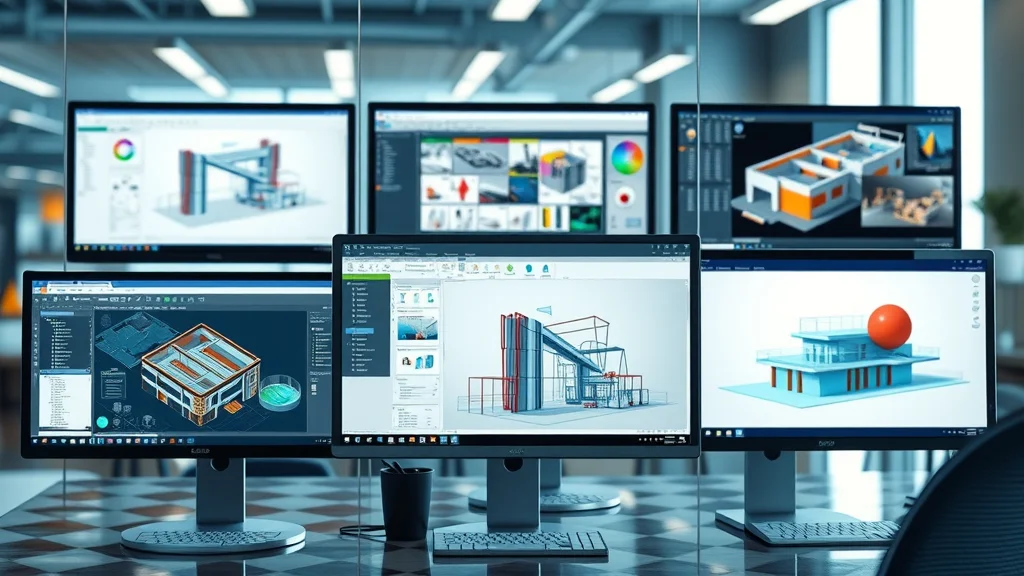
1. Revit LT: The Professional Software Architect’s Go-To Platform
Unmatched BIM Capabilities for Enterprise Architects and Consultants
- Parametric design with powerful software design modules
- Integration with enterprise architecture workflows
- Highly valued by software architects for model fidelity
Revit LT stands out among architecture and design software solutions and applications thanks to its advanced Building Information Modeling (BIM) approach. As a preferred choice for a professional software architect, Revit LT offers parametric design and robust analysis tools ideal for large-scale commercial projects or intricate residential plans. The software architecture tool capabilities facilitate seamless sharing, updating, and collaborating within enterprise architecture projects, allowing team members and clients to interact with constantly up-to-date data.
The integration of Revit LT within enterprise architecture workflows takes project management and visualization to the next level. Consultants and freelancers benefit from the ease of iterative refinement, while enterprise architects can rely on its precision for compliance and quality assurance. These architecture tools streamline everything—from design modeling to analysis and construction documentation, making them essential for modern software architects seeking scalable, production-ready outputs.
"Revit LT is indispensable for professional architects requiring precision and scalability in enterprise projects." — Mark Liu, Enterprise Architect

2. SketchUp: Simplifying Architecture and Design Software Solutions and Applications for All
User-Friendly Architecture Tool for Freelancers and Creative Consultants
- Fast diagramming tool with drag-and-drop simplicity
- Supports both architecture and product design
- Cloud-based collaboration tools
SketchUp has become synonymous with intuitive 3D modeling, making it the architecture tool of choice for freelancers, consultants, and design enthusiasts at every level of experience. With its approachable user interface and robust modeling capabilities, this solution bridges the gap between simple sketches and highly professional 3D visualizations. Its diagramming tool features allow for easy manipulation of shapes, components, and materials, providing creative flexibility without the steep learning curve associated with more complex software architecture tools.
Cloud platform integration means that collaboration is no longer a challenge for distributed teams or remote consultants. Real-time sharable designs and model updates enable productive feedback loops, cutting down on project turnaround times while ensuring all stakeholders have access to the latest version. Whether you’re envisioning a stylish living room or a chic commercial office interior, SketchUp’s versatility and rapid development environment set the standard for simplicity and speed in architecture and design software solutions and applications.

3. ArchiCAD: Pioneering Software Architecture Tools for Large-Scale Design
Feature-Rich Solution for Enterprise Architecture and Team Collaboration
- Robust BIM integration for design and analysis
- Helpful for software architects handling complex projects
- Enterprise architects benefit from advanced workflow automation
When tackling large or multi-disciplinary projects, ArchiCAD emerges as a front-runner among architecture and design software solutions and applications. Famed for its full-featured BIM integration and collaborative workspace, ArchiCAD enables enterprise architects and project managers to coordinate every element—structural, aesthetic, and technical—in one cohesive platform. Its advanced workflow automation reduces time spent on manual modeling tasks and unlocks powerful design and analysis tools that aid software architects handling challenging requirements or regulatory constraints.
Teams benefit from a unified ecosystem where detailed diagrams, renders, and construction documentation flow seamlessly from concept to completion. ArchiCAD supports model fidelity on par with industry-leading solutions, and its support for complex logic makes it ideal for projects where a software architect must coordinate with engineers, designers, and enterprise architects. This ensures that each phase—from schematic design through construction documentation—proceeds with unmatched efficiency and clarity.

Informative animated explainer: a seamless tour through UIs of Revit, SketchUp, ArchiCAD, AutoCAD Architecture, Foyr Neo, and Rhino 3D. Highlight workflows, modeling and rendering, and collaborative features—clean, modern motion graphics transitions, upbeat instrumental background.
4. AutoCAD Architecture: A Familiar Favorite for Software Architects
Versatile Drafting and Software Architecture Tool
- Comprehensive suite for creating and editing architectural models
- Integrated software architecture features streamline workflows
- Industry-standard for professional architecture tools
AutoCAD Architecture remains a trusted classic among professional software architects and architecture firms worldwide. Renowned for its precision and adaptability, this architecture tool seamlessly blends traditional 2D drafting with 3D modeling capabilities. Its suite of integrated modules, including its diagramming tool and collaborative features, allows users to quickly draft, edit, and present both residential and commercial projects with confidence and speed.
The familiarity of AutoCAD Architecture’s user interface helps new users get productive quickly, while the power of its software architecture toolset brings advanced customization for enterprise architectures and complex workflows. Industry-standard output options and interoperability with other major platforms ensure efficient communication between project teams and contractors, making it a cornerstone of modern architecture and design software solutions and applications.

5. Foyr Neo: Elevate Interior Design with Next-Gen Architecture and Design Software Solutions
AI-Powered Speed and Simplicity for Residential Design
- Real-time visualization for redesigning home and commercial interiors
- Instant design and analysis capability for freelancers
- Supports complex product and architecture software design tasks
Foyr Neo brings a burst of innovation to the table, especially for independent consultants and interior designers seeking instant visual feedback and rapid prototyping. Thanks to its AI-powered engine, Foyr Neo shortens the distance between concept and visualization—users can generate hyper-realistic, production-ready room layouts and design schemes with just a few clicks. Its focus on real-time visualization and intuitive controls makes it an attractive choice for freelancers and consultants working on fast-paced residential or business projects.
The platform’s unique blend of speed and accuracy means you can rapidly test multiple options, preview materials and layouts, and share interactive 3D models directly with clients. With Foyr Neo, every aspect of interior design, space planning, and architecture tool interaction happens as efficiently as possible—empowering professionals to present, revise, and finalize concepts faster than ever before. Its online access makes it especially suitable for agile teams and consultants who need to design and collaborate remotely.

6. Rhino 3D: Advanced Software Architecture Tools for Complex Surface Design
Algorithmic Flexibility for Cutting-Edge Creative Solutions
- Sophisticated modeling and diagramming tool
- Used by software architects for unique geometry
- Scriptable for ultimate customization
For advanced users—especially those tackling unconventional or highly customized projects—Rhino 3D stands above the crowd. As one of the most powerful software architecture tools for algorithmic surface design, Rhino 3D is beloved by architects and industrial designers aiming to produce intricate models, parametric forms, and innovative solutions that push the envelope of what’s possible. Its diagramming tool and scripting interfaces (like Grasshopper) allow the creation of custom geometry and procedural models unique to each project.
The flexibility of Rhino 3D means you can move easily between organic modeling, structural analysis, and detailed fabrication planning, making it indispensable for projects that defy the limits of traditional architectural pattern and software design. When creativity demands unconstrained exploration—especially for freelancers, consultants, and enterprise architects serving groundbreaking clients—Rhino 3D is the software architect’s toolkit of choice for design and construction innovation.

Lists: Other Noteworthy Architecture and Design Software Solutions and Applications
- Chief Architect: All-in-one residential drafting software architect solution
- BricsCAD BIM: Affordable entry into software architecture tools
- Cedreo: Rapid 3D home design for consultants and freelancers
- RoomSketcher: Easy interior layout design and visualization
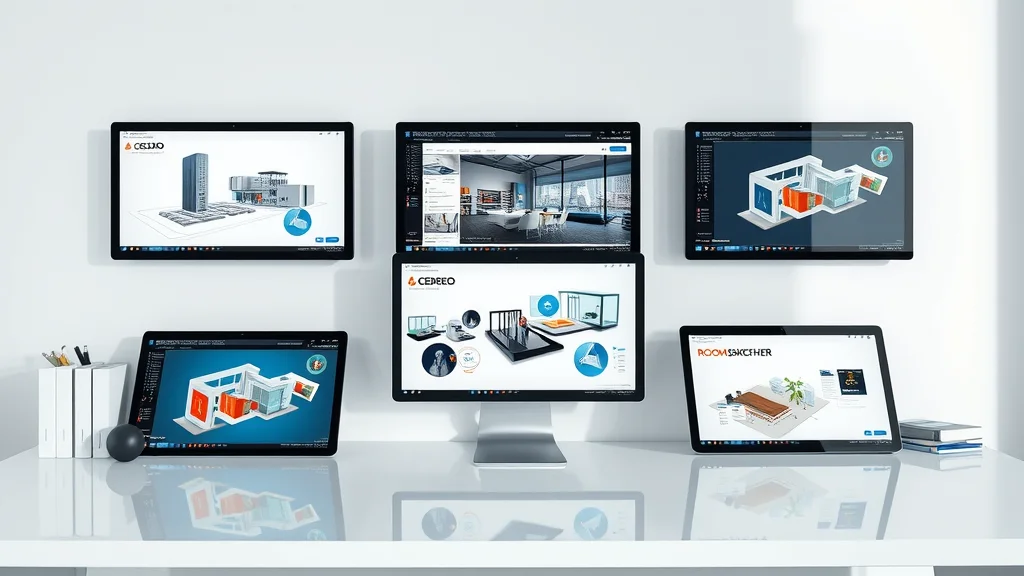
Animated demonstration of how architecture and design software solutions streamline every project stage, featuring smooth transitions through model creation, sharing, and revision in real-world scenarios.
Quotes: Professional Insights on Choosing Architecture and Design Software Solutions
"Choosing the right architecture and design software solutions and applications can dramatically impact your project efficiency and client satisfaction." — Emma Patel, Software Architect
What software applications are used for architectural design?
Overview of Essential Architecture and Design Software Solutions and Applications
- Common platforms: Revit LT, AutoCAD Architecture, ArchiCAD, SketchUp
- Specialized tools for software design and enterprise architecture
- Unique solutions—including Foyr Neo—for faster concept to visualization
In today’s architecture and design world, a few key applications stand out for their versatility and effectiveness. Revit LT excels at detailed 3D BIM modeling for enterprise architects and large-scale development teams, thanks to its precise control and collaborative features. AutoCAD Architecture sets the industry standard for detailed drafting and flexible model editing, frequently used by architecture firms both large and small. ArchiCAD offers comprehensive BIM workflows, making it ideal for those seeking end-to-end control over complex projects.
SketchUp, meanwhile, is favored by freelancers and creative consultants for its drag-and-drop modeling and cloud platform connectivity. For designers who desire speed and ease, Foyr Neo brings AI-powered instant visuals and design analysis capability straight to their browser. And for unique or challenging geometries, Rhino 3D stands out with algorithmic flexibility and fully customizable workflows. With each of these architecture and design software solutions and applications, users enjoy tailored options to match every approach and scale.
What is architecture design software?
Defining Architecture and Design Software Solutions and Applications
- Tools enabling creation, modeling, and analysis of architectural projects
- Crucial for both software architects and architecture designers
- Support for collaborative software architecture and design tasks
At its core, architecture design software refers to programs and platforms that digitize and streamline the process of conceptualizing, developing, analyzing, and documenting buildings, interiors, and related projects. These solutions range from 2D drafting tools and diagramming modules to advanced 3D BIM and parametric design software architecture tools. They enable software architects and designers to visualize structures before they’re built, experiment with materials and layouts, and communicate clearly with clients and collaborators.
Crucially, architecture and design software solutions and applications support a collaborative environment. Whether you’re part of a large development team or an independent freelancer, these platforms ensure every stakeholder can contribute to and review the project as it evolves, leading to more accurate results and satisfied clients. Built-in integration with cloud platforms and compatible devices further ensures your work is always accessible, current, and secure.

What are the 7 major architectural services?
How Architecture and Design Software Solutions and Applications Support Every Service
- Pre-design consultation
- Schematic design
- Design and analysis development
- Construction documentation
- Bidding and negotiation
- Construction administration
- Post-occupancy evaluation
- Each stage can benefit from robust architecture tools and diagramming tool solutions
- Software architects streamline communications and revisions
Architecture and design software solutions and applications touch every point along the architectural service spectrum. In pre-design and schematic phases, tools like SketchUp and Foyr Neo empower consultants to create initial concepts and quick models for client feedback. During the core design and analysis stages, solutions such as Revit LT, ArchiCAD, and Rhino 3D provide detailed modeling and analytical capabilities to ensure the architectural pattern and building systems are sound.
As projects move to documentation, bidding, and construction, platforms like AutoCAD Architecture standardize drawings and specifications, supporting smooth negotiations and on-site execution. Finally, in post-occupancy evaluation, digital models help assess building performance and inform future improvements. Software architects and consultants benefit from seamless communication and easy revision tools, making these applications invaluable for every phase.
What is the difference between solution architecture and solution design?
Clarifying Terminology in Architecture and Design Software Solutions and Applications
- Solution architecture: overall high-level structure for enterprise architects
- Solution design: detailed design and analysis phase
- Software architect and designer collaborate through dedicated software architecture tools
While often used interchangeably, solution architecture and solution design have distinct roles within the project lifecycle. Solution architecture centers on the big-picture structure—mapping out technical frameworks, workflows, and cross-team integrations. An enterprise architect typically manages this phase, orchestrating how all components of the software system or building come together. It’s about ensuring scalability, security, and overall feasibility.
Solution design, on the other hand, delves into the specifics. Here, software architects and design teams tackle model fidelity, materials, and visual representations, iterating through design and analysis for every detail. Together, these disciplines—supported by modern software architecture tools and platforms—ensure that both the holistic vision and the granular realities of a project are aligned, realistic, and achievable.
FAQs: Architecture and Design Software Solutions and Applications
-
How do architecture and design software solutions and applications improve productivity?
These platforms speed up project timelines by automating documentation, facilitating quick design iterations, and enabling real-time team collaboration—saving both time and resources for freelancers, consultants, and enterprise architects alike. -
Are architecture tools suitable for both residential and commercial projects?
Yes, modern architecture and design software solutions and applications cater to a wide spectrum of needs, from home renovations to large-scale office complexes—with scalable features and output formats for every type of user. -
What diagramming tools are available for complex software architecture?
Platforms like Revit LT, ArchiCAD, and Rhino 3D include sophisticated diagramming toolsets that accommodate intricate system designs, UML diagrams, and product modeling, making them indispensable for software architects and design professionals. -
Can software architects and enterprise architects collaborate within the same platform?
Absolutely. Most leading architecture and design software solutions and applications incorporate collaboration modules—often via the cloud—so all stakeholders can work together seamlessly, reviewing and revising models as a team.
Key Takeaways for Choosing Architecture and Design Software Solutions and Applications
- Matching software architecture tools to your workflow enhances creativity and productivity
- Consider architecture tools that blend design, analysis, and collaboration
- Select software architect platforms that allow easy integration for team projects

Conclusion: Bringing Creativity to Life with Architecture and Design Software Solutions and Applications
The right architecture and design software solutions and applications empower you to visualize, revise, and deliver stunning results—no matter the scale or style of your projects.
If you’re inspired to take your creative process even further, consider how partnering with a business-focused software development agency can help you unlock advanced integrations, custom features, and seamless digital workflows tailored to your architectural vision. By collaborating with experts who understand both technology and design, you can future-proof your practice and stay ahead in a rapidly evolving industry. Explore how strategic software development can elevate your projects, streamline collaboration, and open new possibilities for innovation in architecture and design. The next step in your digital transformation journey could be just a conversation away.
Ready to Build? Visit https://architectureanddesign.chlabs.co.uk/ to Start Launching Stunning Architectural & Product Visuals in Minutes With This Innovative AI Architecture Art & Design App!
Sources
- https://www.autodesk.com/products/revit-lt/overview – Revit LT Overview
- https://www.sketchup.com/ – SketchUp Official Site
- https://www.graphisoft.com/archicad – ArchiCAD Official
- https://www.autodesk.com/solutions/architecture-software/ – AutoCAD Architecture
- https://foyr.com/neo/ – Foyr Neo
- https://www.rhino3d.com/ – Rhino 3D
- https://www.chiefarchitect.com/ – Chief Architect
- https://www.bricsys.com/en-intl/bricscad-bim/ – BricsCAD BIM
- https://cedreo.com/ – Cedreo
- https://www.roomsketcher.com/ – RoomSketcher
- https://architectureanddesign.chlabs.co.uk/ – AI Architecture Art & Design App
- https://www.architecture.com/knowledge-and-resources/resources-landing-page/7-steps-to-a-successful-architecture-project – RIBA 7 Architectural Services
To further enhance your understanding of architecture and design software solutions, consider exploring the following resources:
-
“Autodesk Revit LT Software | Get Prices & Buy Official Revit LT 2023”: This page provides comprehensive information on Revit LT, a cost-effective BIM solution tailored for small architecture studios and solo practitioners. It details features such as 3D modeling tools, parametric component design, and interoperability with common CAD formats. Understanding these capabilities can help you assess how Revit LT might fit into your design workflow.
-
“SketchUp: 3D Design Software - Bring Your Vision to Life”: This resource offers insights into SketchUp’s intuitive 3D modeling tools, which are trusted by architects, builders, and designers worldwide. It highlights features like quick sketching, complex creations, and an accessible suite of tools designed to streamline workflows and manage projects end-to-end. Exploring this can provide a clearer picture of how SketchUp can revolutionize your design process.
If you’re serious about selecting the right architecture and design software solutions, these resources will give you detailed insights into the features and benefits of leading tools in the industry.


Write A Comment