


Hook: Did you know that by 2030, experts estimate more than half of all construction site tasks could be automated? This fundamental shift is not just changing the tools we use—it’s dramatically transforming the very nature of jobs in the building and construction industry.
A Surprising Shift: AI’s Unprecedented Impact on Building and Construction Jobs
The building and construction use of AI, automation & robotics is ushering in a new era for the industry—one marked by both innovation and significant shifts in how work gets done. Where towering cranes and bustling job sites once relied almost exclusively on manual labor and traditional construction processes, now, advanced robots, drones, and AI algorithms are becoming core components of daily operations. These technologies are not only increasing efficiency and productivity but are also redefining job roles, requiring human workers to adapt and upskill for a new wave of construction work.
Gone are the days when repetitive tasks and labor shortages slowed down project timelines. With the integration of machine learning and robotics, construction companies can now use computer vision to scan job sites, enhance safety through real-time monitoring, and even automate complex equipment. As projects grow in complexity and scale, AI-driven solutions ensure safer, faster, and more cost-effective outcomes. This transformation isn't without its challenges, but one thing is clear: the convergence of AI and robotics with human expertise is reshaping what it means to be a construction worker today.
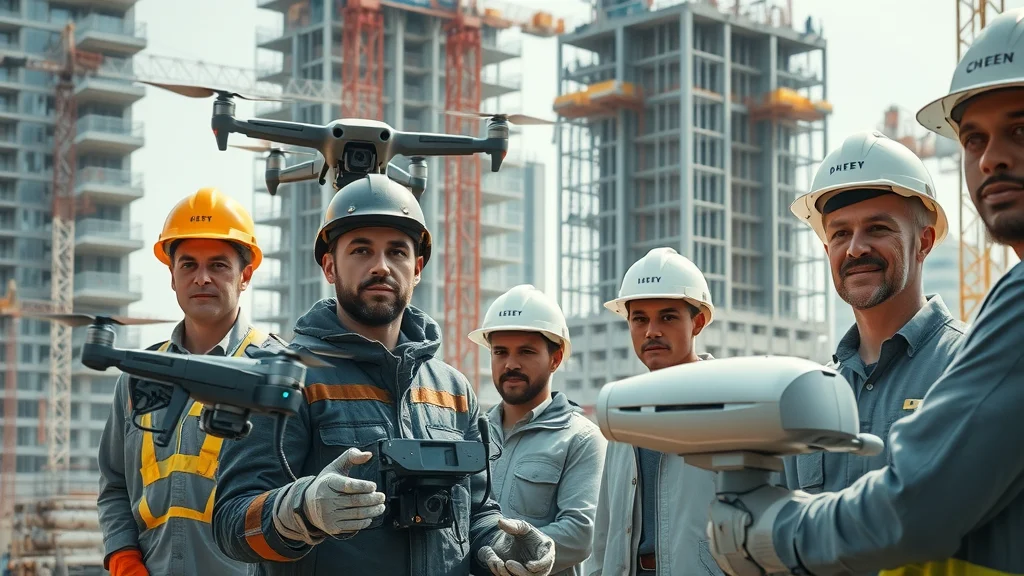
As AI and robotics continue to revolutionize construction sites, their influence extends beyond efficiency and safety—these technologies are also inspiring new approaches to design and aesthetics. For example, architects are now leveraging advanced tools to select innovative color palettes and materials, such as those highlighted in architect-approved orange paint choices for home extensions, blending technology with creative vision to enhance both form and function.
Unveiling the Numbers: The Rise of Automation & Robotics in Construction
The rapid adoption of automation and robotics across construction sites is supported by a compelling surge in industry data. As more organizations face labor shortages and increasing project demands, technology fills the gap with unprecedented speed. In fact, studies project that by the end of the decade, automation could handle up to 55% of all construction tasks, from heavy lifting with autonomous cranes to precise material placement using robotic fabrication systems. Machine learning systems can now analyze site conditions, predict project risks, and optimize equipment usage, enabling teams to work smarter, not just harder.
This shift is visible at every modern construction site, where drones capture real-time progress photos, and robotic arms lay bricks and pour concrete side by side with skilled craftspeople. The result? Improved accuracy, faster job site rotations, and a dramatic reduction in material waste. Technology does not replace human workers but amplifies their abilities—allowing them to oversee more complex roles and participate in decision-making powered by AI-generated insights.
"By 2030, up to 55% of construction site tasks could be automated, fundamentally altering job roles." — Industry Report
- Machine learning, drones, and construction robotics are fast becoming mainstays at modern construction sites.
What You’ll Learn About the Building and Construction Use of AI

- How artificial intelligence is streamlining project management and timelines
- The role of construction robotics in labor shortage resolution
- A realistic perspective on AI and robotics replacing—or empowering—construction workers
- Emerging risks, challenges, and ethical concerns in AI adoption in the construction industry
- Opinionated insights from industry leaders
A New Era: Building and Construction Use of AI for Project Management Efficiency
Project management in the construction industry has often faced difficulties—delays, unforeseen site conditions, and shifting project scopes can drive even the most seasoned professionals to their limits. Enter artificial intelligence: by leveraging AI tools that predict project timelines, automate scheduling, and optimize labor allocation, construction companies see dramatically improved outcomes. Algorithms can instantly process data from job sites, flag complications before they become problems, and ensure the best resources are deployed to the right tasks at the ideal time.
This digital transformation means that once-manual scheduling headaches are replaced by automated, data-driven decisions. Construction teams now collaborate via cloud-based platforms, where updates and site inspection reports sync seamlessly in real-time. The result? Maximized productivity, reduced cost overruns, and superior risk mitigation. In today’s landscape, the building and construction use of AI is not just a competitive edge—it’s quickly becoming a necessity.
How Artificial Intelligence Is Driving Better Construction Project Outcomes

AI and robotics are tailored for much more than just efficiency—they drive transformational change in project management outcomes. With the power of machine learning, project managers glean actionable insights from vast streams of site data, enabling swift adjustments to project timelines. Digital twins offer real-time simulations, allowing stakeholders to visualize the impact of design tweaks or schedule changes instantly. Cloud-based dashboards bring transparency to every phase, from resource tracking to forecasting delivery dates and mitigating unexpected disruptions through predictive analytics.
This level of automation and oversight empowers construction teams by reducing uncertainties that previously led to cost escalations or schedule slippage. Project management software now pinpoints bottlenecks, allocates equipment efficiently, and even helps manage compliance. AI’s role turns traditional management into a dynamic, iterative process—one that’s rooted in collaboration and informed by the latest advancements in construction technology.
Case Study Table: Before & After AI Implementation in Project Management
| Project Management Metric | Without AI | With AI |
|---|---|---|
| Average Project Timelines | 14 months | 10 months |
| Budget Overruns | 25% over budget | Less than 10% over budget |
| Site Inspection Frequency | Bi-weekly manual | Daily digital & drone-based |
| Safety Incidents | 12 per year | 5 per year |
"Our project timelines have shrunk by 30% since implementing AI and construction robotics." — Project Manager, Leading Firm
Design Optimization through AI and Robotics in the Construction Industry

From blueprints to buildings, AI-powered tools are reinventing design processes. Generative design platforms use machine learning to analyze countless variables—structural integrity, energy consumption, site conditions, local codes—and produce optimal plans in seconds. Gone are the days of countless manual iterations; now, architects and engineers use AI to rapidly test material combinations, construction methods, and layouts. This not only reduces material waste but also improves eco-friendly outcomes and shortens pre-construction project timelines.
By detecting weaknesses early, AI also guides better decisions around resource allocation and construction methods. Visualization tools provide interactive 3D models for seamless stakeholder engagement, while cloud-based platforms foster real-time collaboration. The net result is less guesswork and more precision—from the earliest concept right through to finished structures.
AI-Powered Tools: From Blueprint to Build
AI and robotics make it possible to automate every phase of the construction process. Algorithms identify conflicts in complex mechanical systems before ground is even broken; drones run site inspections for regulatory compliance; and autonomous machines assist in assembling structures with almost zero error. Data-rich platforms also connect supply chains directly to design suites, ensuring that orders reflect the latest project requirements—slashing both delays and material waste.
These advances enable faster responses to project changes, real-time error correction, and significant boosts in both project sustainability and economic efficiency. The modern construction site is quickly transforming from a fragmented patchwork of siloed trades into a digitally integrated, AI-optimized ecosystem.
List: Top 5 AI Solutions for Construction Design Optimization
- Generative design platforms
- 3D modeling automation
- Data-driven energy efficiency prediction
- Material waste reduction algorithms
- Real-time collaborative planning
Automation & Robotics: Revolutionizing the Construction Site
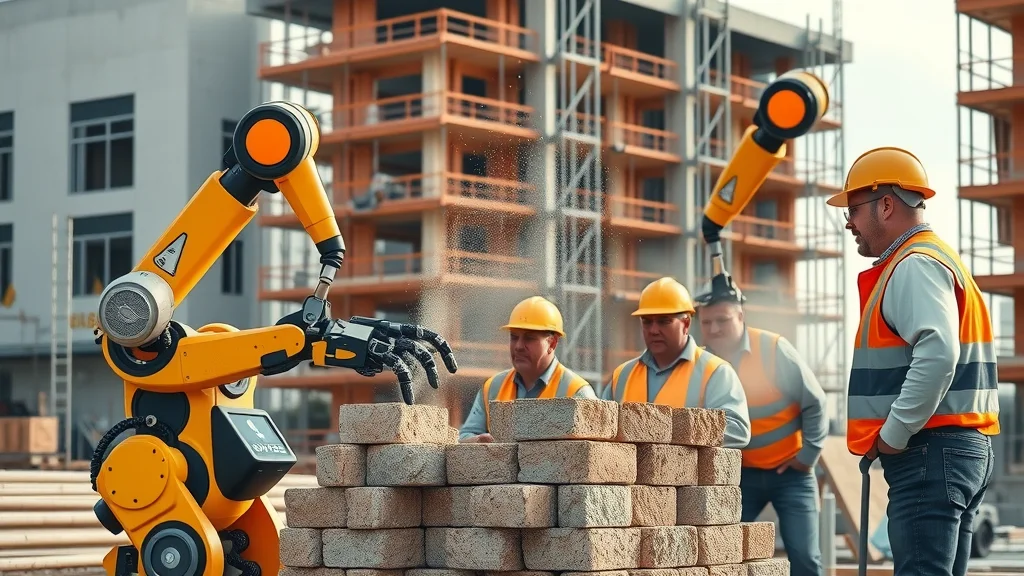
Nowhere is the impact of ai and robotics more visible than on the actual construction site. Robotic arms, brick-laying bots, and autonomous cranes are not science fiction; they're everyday realities tackling time-consuming, repetitive tasks. As labor shortages bite, robots seamlessly pick up the slack, working around the clock without fatigue, dramatically reducing the dependency on scarce trades. Job sites bristle with autonomous equipment, each fitted with sensors, cameras, and AI-driven navigation—continuously optimizing site conditions and safety.
Far from sidelining human workers, these construction robotics free up skilled professionals to focus on the more intricate, high-value work—like system integration, project management, and technical problem-solving. The ultimate reward is a safer, more responsive site where deadlines shrink and quality standards rise.
Beyond Human Hands: Construction Robotics in Action
The introduction of construction robotics goes beyond replacing basic labor. These advanced systems handle hazardous tasks—such as working at height, heavy lifting, or repetitive motion work—reducing injury risk while boosting output. Autonomous machines operate in tandem with human supervisors, learning from every cycle, improving with every task, and continuously pushing the boundaries of what's possible in construction work.
For large-scale projects or those in remote locations, robotics remove the geographical barrier, enabling big builds with smaller, more highly trained site teams. The focus now shifts to overseeing robots, analyzing site data, and making strategic project decisions in real time.
Spotlight: Drones for Site Inspection and Project Monitoring
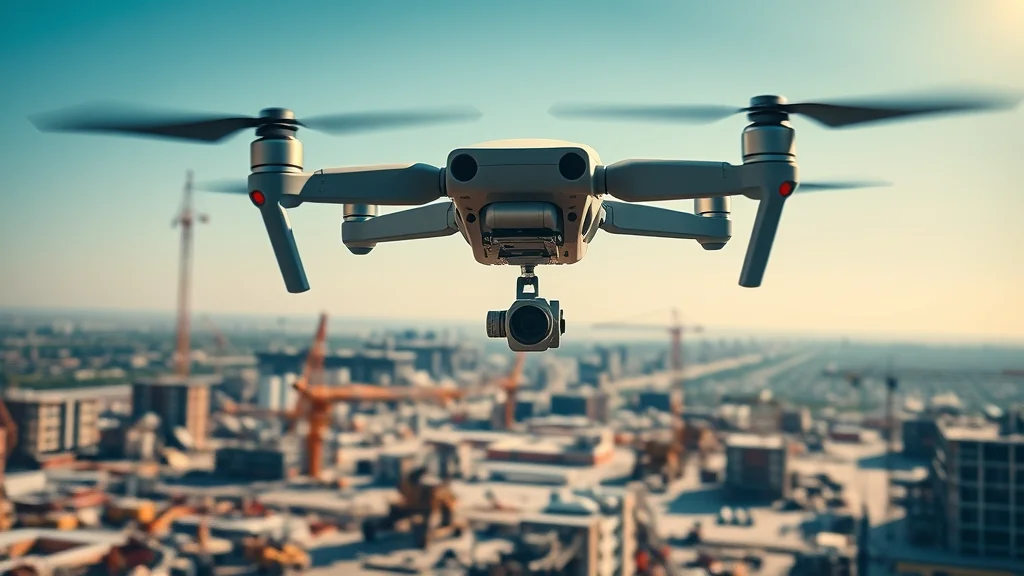
Drones are leading the charge in site inspection, replacing time-consuming manual walkthroughs with high-resolution aerial imagery and 3D topographical mapping. These smart devices run routes auto-piloted by AI algorithms, flagging inconsistencies, hazards, or delays that the human eye might miss. With real-time data streamed to project dashboards, inspections that once took hours or days now take minutes, dramatically increasing both accountability and project speed.
This effective combination of machine learning and robotics means that every square foot of a site is monitored, enabling construction teams to prevent costly mistakes, improve compliance, and maximize site safety.
AI and Robotic Systems Tackling Labor Shortages
One of the most critical challenges in today's construction industry is the persistent labor shortage. AI and robotics not only bridge this gap—they actively empower human teams. Automated machinery tackles the backbreaking, repetitive tasks that previously required large crews, allowing construction companies to deliver on larger projects with smaller staff. By automating routine site inspections and equipment maintenance schedules, AI lets specialists focus on managing and optimizing complex processes—raising the bar for job quality and safety.
Moreover, the rise of AI-driven systems is rewriting the employment landscape, emphasizing new skills and freeing workers from physically demanding roles. Labor shortages are no longer a bottleneck; they are fast becoming a catalyst for innovation and higher-value human contribution.
"The intersection of building and construction use of AI with robotics is our answer to critical labor shortages." — Robotics Engineer
Risk Mitigation and Enhanced Safety with Building and Construction Use of AI

Enhancing safety is at the heart of AI’s value to construction. Real-time sensors and machine learning algorithms proactively identify dangers—from unstable scaffolding to hazardous material levels—faster than traditional safety checks could. Smart wearables alert safety officers and workers to risks down to the second, allowing swift intervention before injuries happen. AI-powered site inspection automates compliance, reduces paperwork, and increases the frequency of safety audits.
Digital twins and simulation software allow teams to forecast possible accidents and test response strategies, offering a direct route to lower insurance costs and peace of mind for stakeholders. Ultimately, the goal is clear: every worker heads home safe, every day.
Real-Time Site Inspection: Preventing Hazards with AI
Continuous monitoring is revolutionizing how risks are managed at job sites. Computer vision-powered cameras and drones scan for unauthorized personnel, misused equipment, and emerging site hazards every moment of the workday. Flagged events automatically trigger alerts, ensuring no weak link in the safety chain. The impact is measurable—fewer lost workdays, reduced claims, and a culture where safety is proactive, not reactive.
This real-time approach not only protects workers but also delivers significant returns for project managers and insurance partners, helping to mitigate project risk at every phase of the construction process.
Machine Learning Models Predicting Project Risk
Advanced machine learning models analyze vast streams of historical data—accident reports, equipment maintenance logs, weather impacts—to calculate site-specific risk profiles. These predictive insights enable construction companies to allocate resources proactively, implement targeted safety training, and avoid costly shutdowns.
By mining both past incidents and real-time site conditions, AI risk forecasting transforms safety from a compliance obligation to a core aspect of competitive advantage.
Opinion: Are We Over-Reliant on Artificial Intelligence?
While the benefits of ai and robotic systems in construction are well-documented, some industry leaders caution against unchecked reliance. Overdependence on automated tech may obscure potential risks—like system failures, data breaches, or a workforce unprepared for human-led critical thinking and troubleshooting. Human oversight, ethical accountability, and practical skills remain vital as technology takes a leading role in construction work. The best balance is collaborative—letting AI do what it does best, while empowering people to guide and safeguard projects holistically.
AI and Robotics Redefining Construction Worker Roles
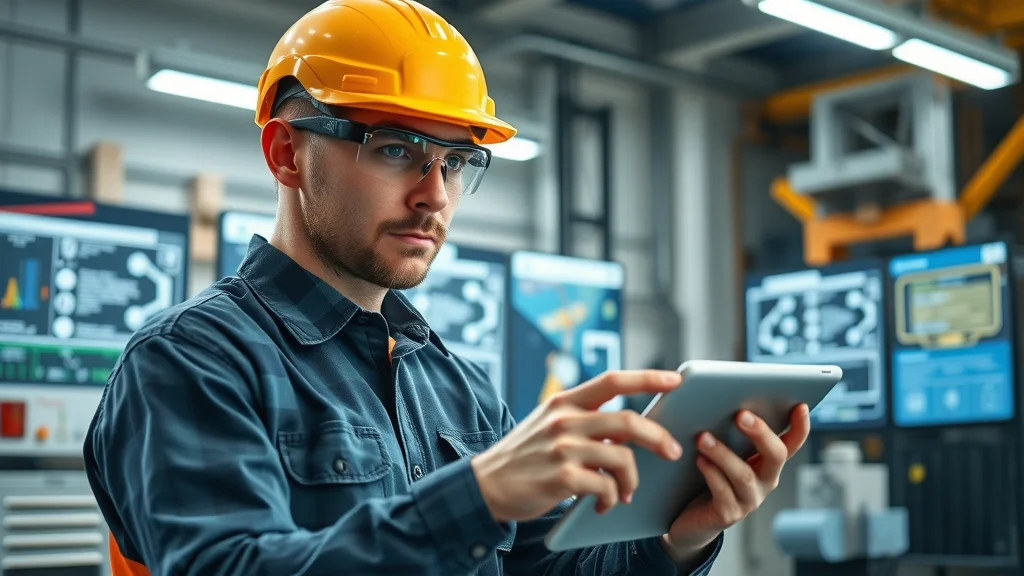
With the spread of ai and robotics on construction sites, job descriptions are changing just as quickly as the technology itself. Manual labor roles are evolving into positions as machine operators, robot supervisors, and data analysts. Construction workers are required to embrace technology, using tablets and digital dashboards alongside power tools and safety gear. This workforce in transition reflects the broader shift in construction industry culture—valuing tech proficiency as much as hands-on skill.
For those willing to upskill and adapt, the rewards are substantial—higher wages, more interesting work, and greater job security in an increasingly digital construction landscape.
From Manual Labor to Machine Operators: A Workforce in Transition
Traditional construction was defined by repetitive manual work, but today's job sites offer a mix of operational responsibilities. Instead of hauling materials or driving nails, many workers now operate autonomous machines, troubleshoot software, and monitor site analytics, combining craft knowledge with digital agility.
This shift calls for a blend of time-honored construction wisdom and a new comfort with programming, robotics maintenance, and big data. Workers now grow alongside technology—serving as both mechanical supervisors and strategic partners.
Upskilling and Training: Essential for the Future Construction Worker
Investing in training is critical as construction work goes high-tech. Upskilling focuses on teaching staff how to operate robots, manage AI-powered dashboards, and analyze predictive outputs. Companies that prioritize digital literacy equip their teams to thrive alongside innovation—ensuring no one is left behind as the industry moves forward.
Whether learning how to troubleshoot sensor networks or extract insights from construction data, today's trainees are tomorrow's industry leaders.
List: Key Competencies for Tomorrow’s Construction Workforce
- Programming and robotics maintenance
- Data analysis for project management
- Collaborative robot (cobot) operation
- Digital workflow adaptation
"Robots aren’t taking jobs, they're changing them. Tomorrow’s builder wields both a hammer and a data tablet." — Senior Project Director
Material Waste and Sustainability: AI’s Greener Footprint

How Artificial Intelligence Is Reducing Construction Waste
Resource optimization is fundamental in modern construction, and AI excels at minimizing material waste. AI algorithms analyze building plans, site conditions, and supply orders to streamline everything from cutting timber to casting concrete. When robotic systems sort site debris and recyclable materials, waste is dramatically curtailed. Not only does this support sustainability, but it also cuts operational costs—a double win for construction companies and the environment.
These capabilities mean projects can be both faster and greener, setting new standards for industry-wide efficiency and environmental stewardship.
Automation & Robotics for Resource Optimization on Construction Sites
AI-powered equipment ensures just-in-time deliveries, precise use of materials, and optimal deployment of labor and machinery. Robots can monitor energy usage, predict peak demand, and recalibrate systems in real time. This level of project intelligence ensures that every watt, drop of fuel, and ounce of building material is efficiently utilized.
Thanks to AI and robotics, construction companies are now able to drive sustainable practices while maintaining profitability and quality.
Challenges and Ethical Considerations in the Building and Construction Use of AI

Data Privacy, Security, and Bias in Machine Learning Models
Collecting job site data for machine learning and AI solutions presents new challenges. Protecting sensitive information—like site plans, employee performance, financials, and proprietary methods—demands robust cybersecurity protocols. Bias in AI systems, if unchecked, can lead to skewed risk assessments or unfair labor allocation. Transparent algorithms, rigorous audits, and ethical guidelines are necessary to ensure AI enhances—not undermines—fairness and integrity in construction projects.
Security and ethics must be central as AI becomes omnipresent in construction technology and everyday operations.
Opinion: Where Should Human Decision-Making End and AI Begin?
AI’s decision-making prowess is impressive, but certain situations demand human intuition, empathy, and context. Ethical project management means knowing when to trust the data—and when to lean on professional experience or community values. Construction companies need clear protocols defining the boundaries between human leadership and AI-generated insights, ensuring balanced outcomes and responsible technology use.
Debate: Ethics of AI and Robotics in Construction
Should robots be making decisions about worker safety? How much can we automate before we lose the human touch that defines great construction work? The debate is ongoing. While automation and robotics have revolutionized efficiency and safety, stakeholders must continually weigh the long-term implications for workers, communities, and society at large. Striking the right ethical balance requires input from everyone involved in the industry.
FAQs: Building and Construction Use of AI & Robotics
What tasks in construction are most affected by automation & robotics?
Repetitive and high-risk tasks—such as bricklaying, welding, material handling, and site inspection—are now commonly done by robots or automated systems. This shift has freed up skilled human workers to manage machines, diagnose problems, and oversee project strategy.
How does building and construction use of AI improve safety on construction sites?
AI-powered wearables, computer vision cameras, and predictive analytics help identify hazards, prevent accidents, and automate site inspection. By providing real-time alerts, these systems reduce injury rates and support a culture of proactive safety.
Can AI fully replace human workers in the construction industry?
No. While AI and robotics excel at handling routine, hazardous, or precision-based tasks, human expertise in decision-making, creativity, adaptability, and leadership remains crucial to the construction process. The future is one of partnership, not replacement.
What are the challenges when integrating artificial intelligence and robotics into construction projects?
Key challenges include managing costs for new technology, bridging skill gaps through training, ensuring data privacy and cyber security, and striking the right ethical balance between automation and human oversight.
How does machine learning accelerate construction project timelines?
Machine learning algorithms analyze vast data sets in real-time, enabling faster decision-making in scheduling, materials management, and resource allocation, resulting in earlier project completion and fewer delays.
What future trends are shaping the building and construction use of AI?
Rising trends include AI-powered design automation, autonomous machinery, wearable safety tech, and collaborative robots (cobots) that work safely alongside humans, as well as ongoing advances in sustainable construction practices.
People Also Ask: Building and Construction Use of AI
[[paa]]
Answer to [[paa]]
Key Takeaways on Building and Construction Use of AI, Automation & Robotics
- AI and robotics enable greater efficiency, safety, and sustainability on modern construction sites.
- Project management, site inspection, and design optimization benefit most from AI-led transformation.
- Challenges remain, particularly in ethics, workforce transition, and technology adaptation.
Find the Latest on Building and Construction Use of AI
For ongoing stories, expert insights, and news on automation & robotics, visit us at https://buildingconstructiontrade.com/ for more building and construction news.
If you’re inspired by the ways AI and robotics are reshaping construction, there’s a world of innovation waiting to be explored. From the latest automation breakthroughs to creative design solutions, the future of building is being written by those who embrace both technology and artistry. For a deeper dive into how expert-approved design choices and advanced construction techniques can elevate your next project, discover more insights and inspiration at this guide to architect-approved orange hues for home extensions. Let your next step be one that combines smart technology with visionary design for truly remarkable results.
Conclusion: The building and construction use of AI, automation, and robotics is revolutionizing everything from project management to site safety—embrace the change, upskill, and stay ahead in this remarkable era of industry transformation.
Sources
- McKinsey & Company – https://www.mckinsey.com/industries/engineering-construction-and-building-materials/our-insights/artificial-intelligence-construction-tech
- Construction Dive – https://www.constructiondive.com/news/how-ai-is-reshaping-construction-jobs/649032/
- Engineering News-Record – https://www.enr.com/articles/53578-ai-and-robotics-on-the-construction-site-the-future-of-managing-projects
- Autodesk Redshift – https://www.autodesk.com/redshift/construction-technology-robotics/
- Building Construction Trade – https://buildingconstructiontrade.com/
The integration of artificial intelligence (AI), automation, and robotics is profoundly transforming the building and construction industry, leading to increased efficiency, enhanced safety, and the creation of new job roles.
For instance, the article “Building The Future: How AI Is Revolutionizing Construction” discusses how AI is being applied in design and planning, particularly through building information modeling (BIM) tools that support digital representations of buildings’ physical and functional characteristics. (forbes.com)
Additionally, the piece “Automation and the Future of Construction: Building Smarter and Faster” highlights the role of automation in prefabrication and modular construction, where building components are manufactured off-site using automated systems and then assembled on-site, reducing construction time and material waste. (roboticsandautomationnews.com)
These resources provide valuable insights into how AI and automation are reshaping construction practices, offering strategies to enhance project outcomes and adapt to the evolving industry landscape.


Write A Comment