
cropper
update
BuildingConstructionTrade |a CapidHouser.com Media Site
update
  • Home
  • Categories
    • roofing
    • loft conversion
    • Residential Buildings
    • office building
    • Plastering Rendering Screeding
    • Windows Glazing Doors
    • building machinery
    • groundworks
    • Building Construction Techniques
    • DIY
    • Civil Engineering
  • Scaffolding
  • Skip Hire Waste Removal
  • Home Extensions
  • Building Protective Coatings
  • Garden Rooms
  • Driveways
  • Building & construction marketing
  • featured business profiles
  • Structural Engineering Architecture And Design
  • Materials
  • commercial construction
June 03.2025
2 Minutes Read

Essential Steps to Choosing the Perfect Loft Conversion Stairs

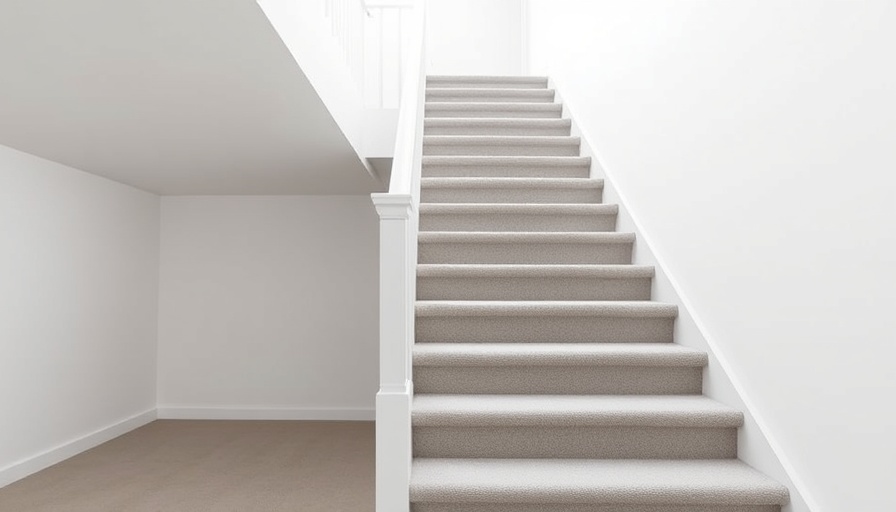
Loft conversion stairs selection with minimalist design.

Choosing the Right Loft Conversion Stairs: An Essential Guide

When embarking on a loft conversion project, selecting the perfect staircase is more than just a necessity—it's a pivotal element that influences both functionality and aesthetics. A thoughtfully chosen staircase can elevate the style of your loft conversion while ensuring safe and easy access to the new space. As homeowners consider repurposing their lofts into cozy bedrooms, vibrant offices, or multifunctional gaming rooms, the staircase becomes a vital consideration.

Why Stairs Matter in a Loft Conversion

Loft conversion stairs serve as the gateway between your home and the new living area above. They must not only comply with safety standards but also enhance the comfort and visual appeal of the entire loft. With many homeowners viewing loft conversions as a chance to expand their living space, making the right choice in stair design can significantly affect the overall experience in their new rooms.

Key Considerations for Selecting Loft Conversion Stairs

Here are some crucial factors to keep in mind while choosing the ideal loft stairs:

  • Space & Layout: Space can be at a premium in many homes. A straight staircase may be perfect for larger areas, while spiral or space-saving designs work well in compact environments. Maximizing every inch ensures safety and comfort, particularly in tighter spots.
  • Safety & Compliance: Safety is not just a priority—it’s a requirement! Stairs must adhere to building regulations for stability and ease of navigation. Consistent rise and going for each step, along with a secure handrail, are essential, especially in areas exposed to heavy traffic.
  • Lighting: Great lighting is a game-changer. Consider windows or skylights to bring in natural light. If not possible, opt for integrated lighting options or wall-mounted sconces to illuminate your stairway.
  • Headroom: Ensure the stairs come with adequate headroom for a spacious feel—ideally, 2 meters at the top to avoid a cramped environment.

Flexible Options for Unique Spaces

Every loft conversion is unique, tailored to fit specific homeowner needs. Whether transforming a loft into a playful retreat for your kids, an office for productive work-from-home days, or a stunning guest bedroom, the right staircase will enhance access while significantly contributing to your home’s aesthetic. At Simply Loft, we specialize in handcrafted stair solutions, ensuring that each design meets both functional and stylistic needs of our clients.

Make Your Loft Dream a Reality!

Ready to take the first step toward your dream loft? Invest time in selecting the best stairs; it’s an important decision that will impact your everyday living experience. Reach out to a professional for tailored advice on creating a staircase that not only connects your spaces but also reflects your personal style.

loft conversion

39 Views

0 Comments

Write A Comment

*
*
Please complete the captcha to submit your comment.
Related Posts All Posts
05.20.2026

Unlock the Ultimate Loft Conversion Experience with Soundproofing

Update Why Soundproofing is Key for Loft Conversions As homeowners explore the exciting possibilities of a loft conversion, they frequently find themselves enchanted by aesthetics: the unique layout, sleek Velux windows, and elegant finishes. However, one critical factor often sinks to the bottom of the checklist: soundproofing. Ignoring acoustic performance can lead to regret long after the space is completed. Effective soundproofing not only enhances comfort but also meets essential building regulations, particularly in urban environments where noise can be a significant nuisance. Understanding the Acoustic Challenges of Loft Spaces A loft conversion naturally presents unique acoustic challenges. Positioned above essential living spaces, sounds from footfalls, exercise equipment, or even music travels easily through the structure. This is especially true in homes sharing walls with neighbors, where noise can pass through common partitions. Whether you transform your loft into a peaceful bedroom, a lively music studio, or a focused home office, soundproofing ensures that activities carried out in the loft do not disrupt the tranquility of the rest of the home. Optimal Uses for Soundproofing in Loft Conversions Different functions of a loft suit varying levels of soundproofing care. For instance, a recording studio demands stringent isolation from sound leakage in or out, using heavy materials for blocking sound and acoustic treatments to care for internal sound behavior. Similarly, a gym in the loft requires solutions to minimize footstep noise that can disturb residents below. So, when planning your design, tailoring soundproofing to specific room use can produce an environment that enhances enjoyment and functionality. The Science Behind Soundproofing How to achieve great soundproofing? It mainly revolves around two principles: blocking sound from entering or leaving the space and absorbing echo within it. This process involves careful selection of materials and construction techniques, such as using acoustic plasterboard and specialized floor underlay. Each layer you incorporate can make a substantial difference in creating a serene loft environment. For example, implementing high-density insulation not only safeguards against sound but also helps maintain thermal comfort. Steps to Effective Soundproofing Soundproofing should start from the very beginning of your loft conversion project. A thorough soundproofing checklist should include the installation of acoustic layers in ceilings, treating floors with floating systems, enhancing wall insulation, and sealing windows and door edges with acoustic solutions. By adhering to these principles, homeowners can ensure that their loft conversion not only looks great but offers the quiet sanctuary they desire. In conclusion, when considering a loft conversion, integrating soundproofing into your planning process can significantly elevate your living experience. It's not merely an optional enhancement but a necessity that yields long-term comfort and peace. Don't overlook it—build your dream loft with the sound considerations that foster enjoyment and peace within your home.

05.08.2026

Thinking of a Loft Conversion? Discover How It Adds Value and Space

Update Unlocking Your Home's Potential: The Allure of Loft Conversions Are you feeling cramped in your London home? If so, you're not alone. Many homeowners face the pressing need for more space without the headaches of moving. Thankfully, a loft conversion presents a viable solution that not only enhances living conditions but also significantly increases property value. According to recent research by Consumer champion Which? and echoed by construction experts, a well-executed loft conversion can boost your home's value by up to 25%, a staggering figure that can translate into tens to hundreds of thousands of pounds in the competitive London housing market. Types of Loft Conversions: Which One Fits Your Home? With various loft conversion types available, selecting the right one can feel overwhelming. Here are the main types and their potential value additions: Dormer Conversion: The most popular choice, adding valuable headroom and space at a cost that yields high returns. Mansard Conversion: This design maximizes space and value gain, particularly in urban settings. Hip-to-Gable Conversion: Ideal for specific house types, this can significantly increase your usable square footage. Velux Conversion: A lower-cost alternative that works well in homes with ample existing headroom. Even simple features like an en-suite bathroom can add substantial value, reinforcing the necessity of thoughtful design in your loft conversion plans. The Cost-Effectiveness of Staying Put One of the most compelling reasons to consider a loft conversion is the cost-effectiveness compared to moving. The typical expenses involved in selling and relocating—such as stamp duty and agent fees—can easily add up to £50,000 or more. In contrast, a loft conversion generally ranges between £30,000 to £75,000. By investing in your current home, you not only add space but also keep the community ties and convenience that you’ve grown to love. Maximizing Your Loft Conversion's Impact To enhance the value added by your loft conversion, focus on quality design and finishes. Here are some key considerations: Ensure compliance with building regulations to avoid future legal hassles. Consider integrating natural light through skylights or dormer windows, making the space more attractive. Be mindful of the staircase placement; ensure it fits seamlessly into your home’s layout without sacrificing valuable existing space. The benefits of a loft conversion extend beyond simply creating more room; they can also provide a tailored upgrade that breathes new life into your living environment. If you’re contemplating a loft conversion, tap into the potential of your home today! Take action and explore consultation options with expert loft conversion specialists to see how you can enhance your living space and property value.

03.25.2026

Loft Conversions: Your Complete Guide to Regulations & Benefits

Update Understanding Loft Conversions and Their Benefits Are you considering adding more space to your home? Loft conversions offer an innovative solution that not only expands your living area but can also enhance your property’s value significantly. Whether you envision a cozy office, a teenage hangout, or an additional bedroom, converting your loft can transform your home into a more functional space tailored to your needs. Navigating the Regulatory Landscape Before diving into your loft conversion project, it's essential to grasp the regulations that could impact your plans. The majority of loft conversions in the UK function seamlessly under permitted development (PD) rights. However, understanding the nuances of these rules will help you avoid issues later on. For instance, most homes can extend their roof space without needing planning permission, as long as the new structure adheres to specific guidelines, such as height restrictions and material similarity. Yet, any conversions in conservation areas or listed buildings will require careful consideration and probable consent. Planning Permission: Know When You Need It Knowing when you need planning permission for your loft conversion can save you from unnecessary headaches. If you are in a conservation area or modifying a listed building, the rules are stricter, and it's crucial to engage with local authorities early in the design process. Failing to secure the right permissions can lead to costly rectifications or even demolition. Types of Loft Conversions There are various types of loft conversions to consider, each offering unique advantages. Dormer loft conversions, for instance, allow for enhanced headroom and additional space while maintaining the charm of your home. Perhaps you're contemplating a hip-to-gable conversion, which can maximize space in bungalows or semi-detached homes. The choice largely depends on your property type and your personal vision for the space. Your Next Steps in Planning a Loft Conversion As you move forward with your loft conversion journey, consider consulting with a specialist loft conversion company to help guide your choices and ensure compliance with local regulations. Moreover, remember to carefully assess the design that suits your style, considering lighting and accessibility while planning your new space. Planning ahead will contribute greatly to a smooth renovation process.

Terms of Service

Privacy Policy

Core Modal Title

Sorry, no results found

You Might Find These Articles Interesting

T
Please Check Your Email
We Will Be Following Up Shortly
*
*
*