Add Row
Add Element
cropper
update
BuildingConstructionTrade |a CapidHouser.com Media Site
update
Add Element
  • Home
  • Categories
    • roofing
    • loft conversion
    • Residential Buildings
    • office building
    • Plastering Rendering Screeding
    • Windows Glazing Doors
    • building machinery
    • groundworks
    • Building Construction Techniques
    • DIY
  • Scaffolding
  • Skip Hire Waste Removal
  • Home Extensions
  • Building Protective Coatings
  • Garden Rooms
  • Driveways
  • Building & construction marketing
  • featured business profiles
  • Structural Engineering Architecture And Design
  • Materials
  • commercial construction
June 03.2025
2 Minutes Read

Everything Homeowners Need to Know About Planning Permission for Dormer Loft Conversions

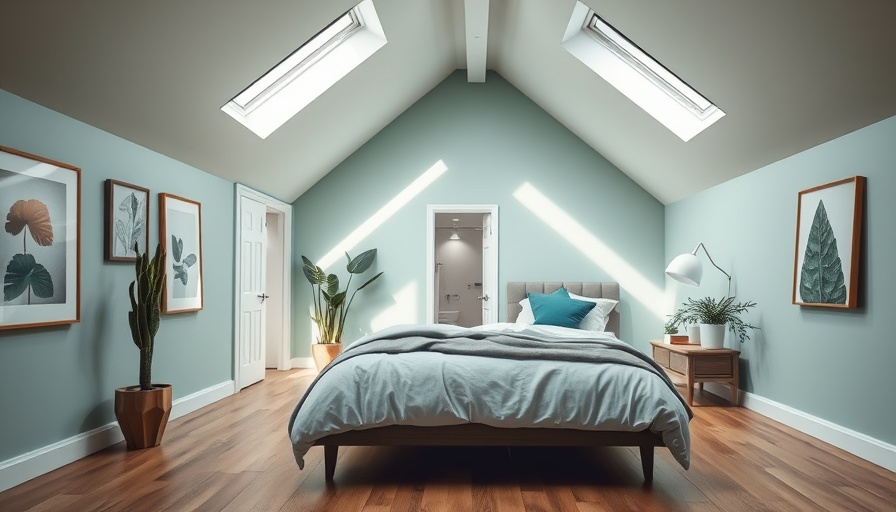
Modern loft dormer room with skylights, related to planning permission for dormer.

Your Guide to Planning Permission for Dormer Loft Conversions

If you're a homeowner in London considering a loft conversion, understanding the nuances of planning permission for dormer extensions is crucial. Dormers are a popular choice for maximizing space, functionality, and natural light within your home, especially when every square meter counts.

What Exactly is a Dormer and Why Consider One?

A dormer is a structural addition that extends out from the roof slope, creating extra headroom and usable space. This can be a game-changer for homes with limited loft height. Dormers come in various styles: rear dormers, side dormers, L-shaped dormers, and front dormers, each offering different advantages based on your home's design and the local landscape.

Understanding Planning Permission Needs

Many dormer extensions fall within permitted development rights, meaning you might not need formal planning approval. However, there are specific conditions your project must meet to qualify:

  • The dormer cannot extend beyond the existing roof line at the front of your house.
  • No more than 40 cubic meters of additional space for terraced houses; 50 cubic meters for detached/semi-detached homes.
  • The dormer must be set back at least 20cm from the original eaves.
  • It shouldn't exceed the height of the existing roof.
  • Materials used should closely match those of your original home.

However, if your design infringes these guidelines, or if your property is in a conservation area or is listed, you will likely need to secure full planning permission.

How Simply Loft Can Support Your Journey

Feeling overwhelmed by the planning process? Simply Loft specializes in making the journey as smooth as possible. From assessing whether your dormer needs planning permission to liaising with local councils and ensuring compliance with aesthetic and legal requirements, we manage everything. Our expertise involves obtaining Lawful Development Certificates, reinforcing your project's legitimacy, which is essential for future property transactions.

Start Your Loft Conversion with Confidence

Understanding planning permission for dormer extensions is the first step in embarking on your loft project. With Simply Loft, benefit from expert advice, stunning designs, and professional execution—as we transform your loft into the stylish and functional space you envision. Don’t delay! Contact us today for a free consultation, and let’s discover the possibilities for your home.

loft conversion

15 Views

0 Comments

Write A Comment

*
*
Related Posts All Posts
02.14.2026

Unlock the Potential of Your Home with a Loft Conversion Guide

Update Transform Your Unused Space: The Loft Conversion Revolution Are you a homeowner looking to maximize your living space? A loft conversion may be just the solution you need. Companies like DJ Moore Lofts are leading the way in transforming unused loft areas into bright, open, and beautifully designed living spaces. Whether you envision a cozy bedroom, a functional office, or a game room for your family, the potential is limited only by your imagination.In VELUX LOFT CONVERSION 2025, the discussion dives into transforming unused spaces into beautiful living areas, exploring key insights that sparked deeper analysis on our end. Types of Loft Conversions: What Can You Create? Loft conversions come in various styles, each serving different needs. A dormer loft conversion, for instance, adds extra footage and headspace, making it ideal for bedrooms or playrooms. Alternatively, a hip-to-gable conversion is perfect for those who want to maximize their loft's potential while adhering to specific architectural styles. Depending on your location and style preferences, there's likely a conversion type that aligns perfectly with your dream outcome. Understanding Planning Permission and Design Requirements The journey to a successful loft conversion starts with understanding the planning permission process. In the UK, most loft conversions fall under permitted development, meaning you might not need planning permission, but it's essential to check with your local council first. Engaging with experienced loft conversion specialists can help navigate these waters to ensure a smooth transition from concept to construction. Cost Considerations: Budgeting Your Loft Conversion It's crucial to budget properly for your loft conversion. Costs can vary significantly based on the type of conversion and the materials you choose. A typical UK loft conversion can range from £20,000 to £50,000, depending on complexity and size. When planning your conversion, consider not only the initial expenses but also potential future increases in your home’s value. Why Consider a Loft Conversion? Loft conversions are an attractive solution for homeowners looking to increase their property’s value and functionality. Not only do they provide additional space, but they can also enhance your home’s aesthetic appeal. Additionally, converting unused areas helps avoid the need for costly extensions, making it a practical and economical choice for space enhancement. In summary, if you’re thinking about a loft conversion to transform your unused attic into functional living space, understanding the various options, planning permissions, and budgeting hurdles is essential. Explore the possibilities and envision how you could enhance your home!

02.12.2026

Transform Your Home with a Velux Loft Conversion: A Comprehensive Guide

Update Unlock Your Home's Potential with a Velux Loft Conversion A Velux loft conversion is an ideal solution for homeowners looking to expand their living space without extensive modifications to their property. By simply installing Velux windows, you can transform your once-neglected attic into a vibrant room that brims with natural light, whether you envision a cozy bedroom, a productive home office, or even a delightful playroom for the kids. Why Choose a Velux Loft Conversion? One of the standout features of Velux loft conversions is their cost-effectiveness. As these conversions maintain the existing roof structure, they often require fewer materials and less labor, resulting in a budget-friendly overhaul for your home. In comparison to other types of conversions, such as dormer or mansard, the Velux option is less disruptive and typically doesn’t necessitate planning permission, making the process smoother for homeowners. How to Optimize Your New Loft Space Utilizing a Velux loft conversion offers numerous design possibilities. Clever storage solutions, like built-in wardrobes that fit snugly under eaves or functional furniture that maximizes every inch of space, can turn your loft into an elegant sanctuary. Light color palettes can enhance the airy feel, while strategically placed Velux windows ensure an abundance of daylight, creating an inviting ambiance. Understanding the Requirements Before embarking on your Velux loft conversion journey, assessing the existing conditions of your loft is crucial. Ideally, your loft should have a minimum head height of 2.2 meters for optimal functionality. Additionally, consult with a qualified contractor to ensure your roof structure can handle the new windows and any planned modifications. Real-Life Transformations Through Velux Conversions Stories abound of families turning their dark attics into stunning new spaces. Consider Nimira Velji, who successfully revamped her attic into a welcoming living area with the help of expert professionals. Such transformations not only enhance the aesthetic appeal of a home but also increase its overall value. In fact, many homeowners see an increase in their property value after adding functional spaces through loft conversions, with estimates suggesting a boost of up to 20%. If you are contemplating a residential loft conversion that combines practicality with simplicity, a Velux solution may be your best bet. Whether you aim to create a serene retreat or require an efficient workspace, embracing the untapped potential in your loft could be the perfect step forward in enhancing your home. Ready to take the plunge? Contact a professional today to receive guidance tailored to your unique loft conversion needs and unlock your home's full potential!

01.28.2026

Does a Loft Conversion Add Value to Your Home? Essential Insights Explained!

Update Unlocking Value: Does a Loft Conversion Really Add Value to Your Home? If you’re a homeowner contemplating a loft conversion, you may wonder if it will truly enhance your property’s value. The consensus among property experts is a resounding yes—a well-executed loft conversion can increase your home’s value by as much as 20%. This is particularly significant in areas like London and the South East, where property prices are at a premium. The Factors Influencing Loft Conversion Value While the potential increase in value is compelling, several factors influence how much a loft conversion will impact your property’s price. For example, the type of room you choose to create—be it a bedroom, office, or additional bathroom—can make a big difference. Notably, homes with an extra bedroom or an en-suite bathroom appeal more to buyers and can boost value substantially. Maximizing Space: Practical Benefits of Loft Conversions Beyond adding financial value, a loft conversion has the unique advantage of providing much-needed living space without the upheaval of moving. Homeowners can expand their existing space to accommodate growing families or even create a stylish home office that is increasingly sought after in today’s work-from-home environment. This approach not only enhances your day-to-day living but also increases your property’s market appeal. Different Types of Loft Conversions: Which One is Right for You? When considering a loft conversion, it’s essential to understand the different types available: Dormer Loft Conversion: This type adds headroom and floor space, making it suitable for a bedroom or bathroom. Hip-to-Gable Loft Conversion: Ideal for semi-detached homes, this style maximizes available space. Velux Loft Conversion: Utilizing roof windows, it’s a great option for smaller budgets. Each type comes with its unique benefits, so selecting the right one depends on your budget, needs, and the existing architecture of your home. The Importance of Quality in Conversion Quality cannot be overstated. A loft conversion built with high standards—featuring quality insulation and finishes—will invariably add more value than a haphazard construction. If you opt for a professional service like Simply Loft, their expertise in managing all stages from planning permission to construction ensures you receive a valuable addition to your home. Is a Loft Conversion Worth the Investment? In conclusion, a loft conversion is more than just a home improvement project; it’s a strategic investment that can yield significant returns both in enhanced property value and improved living conditions. Homeowners considering this route should consult with loft conversion specialists to discuss their options and ensure the best outcome.

Terms of Service

Privacy Policy

Core Modal Title

Sorry, no results found

You Might Find These Articles Interesting

T
Please Check Your Email
We Will Be Following Up Shortly
*
*
*