
Add Row
Add Element
cropper
update
BuildingConstructionTrade |a CapidHouser.com Media Site
update
Add Element
  • Home
  • Categories
    • roofing
    • loft conversion
    • Residential Buildings
    • office building
    • Plastering Rendering Screeding
    • Windows Glazing Doors
    • building machinery
    • groundworks
    • Building Construction Techniques
    • DIY
    • Civil Engineering
  • Scaffolding
  • Skip Hire Waste Removal
  • Home Extensions
  • Building Protective Coatings
  • Garden Rooms
  • Driveways
  • Building & construction marketing
  • featured business profiles
  • Structural Engineering Architecture And Design
  • Materials
  • commercial construction
June 03.2025
2 Minutes Read

Explore Loft Conversion Solutions for Low Roofs: Unlock Your Home's Potential

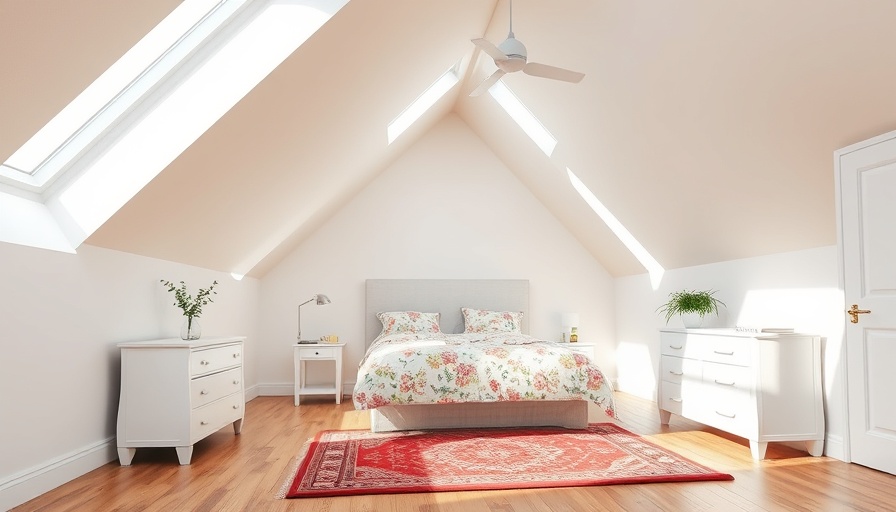
Cozy loft conversion room with skylight and low roof.

Unlocking Potential: The Art of Low Roof Loft Conversions

If you’re a homeowner dreaming of transforming your home into a sanctuary of comfort and style, don’t let a low roof crush those aspirations! Many people have been told their loft isn’t suitable for conversion. However, with expert guidance and creative solutions, even the tightest attic spaces can be transformed into stunning rooms.

Can You Convert a Loft with Low Roof Height?

The short answer is yes! A loft conversion low roof doesn’t mean you have to abandon your aspirations of adding valuable space to your home. In fact, there are numerous inventive ways to adapt a low-roof loft into functional living areas, whether you envision a cozy bedroom, home office, or leisure room.

Creative Solutions for a Low Roof Loft

Here are some popular approaches homeowners can consider:

  • Dormer Extensions: A dormer adds headroom and livability without altering the overall home’s profile, perfect for creating a bright, spacious room.
  • Hip to Gable Conversions: This technique is great for semi-detached homes and allows you to maximize usable loft space.
  • Mansard Conversions: An extensive but rewarding option, mansard conversions can provide an entire full-height room across the loft.
  • Interior Design Optimization: If structural changes aren't feasible, smart interior design elements can make a world of difference. Low-profile furniture, built-in storage, and clever lighting can enhance the room's spacious feel.

Minimum Height Requirements

Before diving into your loft project, it's important to consider the minimum head height criteria. Usually, a clearance of at least 2.2 meters is necessary for a loft conversion to be effective.

Your Trusted Partner: Simply Loft

As London’s go-to experts in transforming challenging loft spaces, Simply Loft combines innovation and experience. They manage everything from planning to construction, ensuring a hassle-free experience for homeowners in areas like Hackney and Highgate. Their team is dedicated to unlocking the potential of your low roof loft and turning your dreams into reality.

Start Your Transformation Today!

Don’t let a low roof deter you from enriching your living space. Reach out to Simply Loft for a free consultation and discover how they can help create the loft you've always wanted, no matter the height constraints.

loft conversion

16 Views

0 Comments

Write A Comment

*
*
Please complete the captcha to submit your comment.
Related Posts All Posts
03.25.2026

Loft Conversions: Your Complete Guide to Regulations & Benefits

Update Understanding Loft Conversions and Their Benefits Are you considering adding more space to your home? Loft conversions offer an innovative solution that not only expands your living area but can also enhance your property’s value significantly. Whether you envision a cozy office, a teenage hangout, or an additional bedroom, converting your loft can transform your home into a more functional space tailored to your needs. Navigating the Regulatory Landscape Before diving into your loft conversion project, it's essential to grasp the regulations that could impact your plans. The majority of loft conversions in the UK function seamlessly under permitted development (PD) rights. However, understanding the nuances of these rules will help you avoid issues later on. For instance, most homes can extend their roof space without needing planning permission, as long as the new structure adheres to specific guidelines, such as height restrictions and material similarity. Yet, any conversions in conservation areas or listed buildings will require careful consideration and probable consent. Planning Permission: Know When You Need It Knowing when you need planning permission for your loft conversion can save you from unnecessary headaches. If you are in a conservation area or modifying a listed building, the rules are stricter, and it's crucial to engage with local authorities early in the design process. Failing to secure the right permissions can lead to costly rectifications or even demolition. Types of Loft Conversions There are various types of loft conversions to consider, each offering unique advantages. Dormer loft conversions, for instance, allow for enhanced headroom and additional space while maintaining the charm of your home. Perhaps you're contemplating a hip-to-gable conversion, which can maximize space in bungalows or semi-detached homes. The choice largely depends on your property type and your personal vision for the space. Your Next Steps in Planning a Loft Conversion As you move forward with your loft conversion journey, consider consulting with a specialist loft conversion company to help guide your choices and ensure compliance with local regulations. Moreover, remember to carefully assess the design that suits your style, considering lighting and accessibility while planning your new space. Planning ahead will contribute greatly to a smooth renovation process.

03.21.2026

Discover How Loft Conversions Transform Your Attic Into Valuable Living Space

Update Unlock the Potential of Your Attic Space Turning your attic into a livable space is an exciting and increasingly popular home improvement project for homeowners looking to maximize their property. Loft conversions not only provide additional bedrooms or hobby rooms but can significantly increase the value of your home. From cozy bedrooms to inspiring home offices or even children’s playrooms, the possibilities are endless. Why Choose Loft Conversions? One of the main reasons to consider a loft conversion is the efficient use of space. Instead of extending your home outward, which often requires planning permissions and can disrupt your garden, converting your attic offers a seamless way to utilize existing structures. Especially in urban areas like London, where space is at a premium, these conversions represent a strategic choice for many homeowners. Types of Loft Conversions When planning a loft conversion, understanding the various types can help you make an informed decision. Dormer loft conversions are particularly popular, providing additional headroom and floor space without extensive alterations to the roofline. Other options include hip-to-gable conversions, which can significantly alter the exterior appearance of your home, and mansard conversions, which maximize vertical space. The Loft Conversion Process Starting your loft transformation can feel overwhelming, but knowing what to expect can ease the process. First, assess your loft space to see if it meets the requirements for conversion. This may include checking the height and structure of your roof. Once you have confirmed feasibility, the next steps involve securing planning permissions and hiring qualified professionals to bring your vision to life. Essential Considerations Budget is a critical factor when planning your loft conversion; typically, costs can vary widely based on the type and scope of the project. It's important to consult with experts early in the process to ensure your plans align with your budget. Also, think about how your new space will integrate with your home's existing design and functionality. After all, a beautifully designed loft will best serve those who will use it. In summary, exploring loft conversion options can provide exceptional benefits for homeowners, from enhancing the value of your property to creating additional spaces that cater to your lifestyle needs. If you're considering embarking on this exciting journey, don't hesitate to reach out to specialists for guidance and support!

03.10.2026

Unlock Your Home’s Potential: The Ultimate Guide to Loft Conversions

Update Why Consider a Loft Conversion? For homeowners contemplating how to utilize their available space efficiently, a loft conversion emerges as an attractive and practical solution. Whether it’s transforming an attic into a spacious bedroom, a cozy office snug, or even a vibrant gaming room, the options are abundant and versatile. Dormer loft conversions are particularly popular, allowing for more headspace and natural light without extensive structural changes.In Completed Dormer Conversion, Creating a New Main Bedroom and Office/Snug, we explored how loft conversions can significantly transform residential spaces. Understanding the Types of Loft Conversions Choosing the right type of loft conversion depends on your home’s architecture and your specific needs. There are various options to consider: Dormer Loft Conversion: This is a conventional choice, adding a box-like structure to the roof, providing extra headroom and a larger living area. Hip to Gable Conversion: Ideal for semi-detached and bungalow houses, converting sloping roofs into vertical gables creates additional space. Velux Conversion: This type retains the existing roof shape but adds windows to enhance natural lighting within the attic. Each loft conversion type caters to different needs and budgets, making it essential for homeowners to evaluate their living conditions to determine the best fit. Key Benefits of Loft Conversions Loft conversions not only maximize space but also increase the overall value of your property. By opting for a high-quality loft conversion design, you can yield significant returns on investment when it comes time to sell. Moreover, these projects typically do not require extensive planning permissions, which simplifies the process for homeowners. Getting Started with Your Loft Conversion If you’re considering a loft conversion, assessing your goals and budget is critical. Start by consulting with a reputed loft conversion company that specializes in providing tailored solutions. They can guide you through planning permissions, required designs, and the overall budget for the conversion, ensuring your project aligns with your vision. In reviewing Completed Dormer Conversion, Creating a New Main Bedroom and Office/Snug, we explored how loft conversions can significantly transform residential spaces. With careful planning and execution, these modifications truly enhance both functionality and aesthetic appeal.

Terms of Service

Privacy Policy

Core Modal Title

Sorry, no results found

You Might Find These Articles Interesting

T
Please Check Your Email
We Will Be Following Up Shortly
*
*
*