
Add Row
Add Element
cropper
update
BuildingConstructionTrade |a CapidHouser.com Media Site
update
Add Element
  • Home
  • Categories
    • roofing
    • loft conversion
    • Residential Buildings
    • office building
    • Plastering Rendering Screeding
    • Windows Glazing Doors
    • building machinery
    • groundworks
    • Building Construction Techniques
    • DIY
  • Scaffolding
  • Skip Hire Waste Removal
  • Home Extensions
  • Building Protective Coatings
  • Garden Rooms
  • Driveways
  • Building & construction marketing
  • featured business profiles
  • Architecture And Design
  • Materials
  • commercial construction
February 12.2026
1 Minute Read

Grow with AI Search and Answer Engine Optimisation for Building Companies

Did you know that 94% of buyers and partner agencies begin their property search online? If your listings aren’t visible in AI-powered results, you’re already behind the curve. In today’s market, success for building companies hinges not just on the quality of their developments, but also on their digital discoverability—especially by the AI search engines and answer engines contractors and agencies now trust most.

"94% of buyers and partner agencies begin their property search online. Are you visible where AI engines look first?"

Modern building company team meeting focused on AI search and answer engine optimisation. Collaborative discussion around digital dashboard with property data and analytics.
  • Discover how building and construction companies can ensure that contractors, agencies, and estate agents find and promote available residential properties.
"Building companies need an LLM-ready business website to reach modern agencies and partners using AI as their primary search tool." – Capid Houser

AI Search and Answer Engine Optimisation for Building Companies: Why It Matters

AI search and answer engine optimisation for building companies is rapidly transforming the way new homes and apartments reach the market. In the past, traditional SEO was enough to get your properties in front of buyers, but today’s agencies and partners increasingly rely on AI engines, answer engines, and LLM (large language model)-enabled tools—like ChatGPT, Google AI, and agency-specific search platforms—to surface the latest and most credible property listings. If your business isn’t LLM-ready and optimised for these next-gen platforms, your dwellings and developments may remain invisible to the very organisations positioned to drive sales and rentals.

As you explore the shift from traditional SEO to AI-driven strategies, it's clear that digital innovation is reshaping every aspect of the property sector. For those interested in creative approaches to enhancing their brand’s appeal, even outside the digital realm, you might find inspiration in unique projects like DIY wax-dipped holiday ornaments for your home, which demonstrate how craftsmanship and attention to detail can set your business apart—whether online or offline.

Estate agencies, contractors, and property portals are switching to AI-powered systems that scan for structured data and direct answers about new developments. For building companies, this shift means that your brand and inventory must be instantly accessible, up-to-date, and structured precisely for these AI and answer engines. Partnering with specialists like Capid Houser, who provide complete LLM-ready website services, is now a strategic necessity. Don’t let competitors gradually edge ahead with faster, AI-optimised partner promotions and agent outreach—make AI search and answer engine optimisation central to your business growth.

What You’ll Learn About AI Search and Answer Engine Optimisation for Building Companies

  • The key differences between traditional SEO and answer engine optimisation
  • How AI search, LLMs, and GPT search tools are shaping the property sector
  • What makes a website truly 'LLM-ready' and best-in-class examples
  • Case studies on success in AI engine optimization for homebuilders
  • Proven steps to establish answer engine presence and brand authority

Sleek digital interface of a property website optimised for AI search and answer engine. Shows clear navigation, AI features, and modern design.

The Evolution from Traditional SEO to AI Search & Answer Engine Optimisation

From Search Engine to Answer Engine: The Shifting Landscape

  • Traditional SEO vs. AI-driven search
  • Rise of AI search engines and answer engines
  • Key features and impact on contractors and agencies
"SEO is no longer just about keywords – AI answers, context, and structured data are the new battlegrounds."
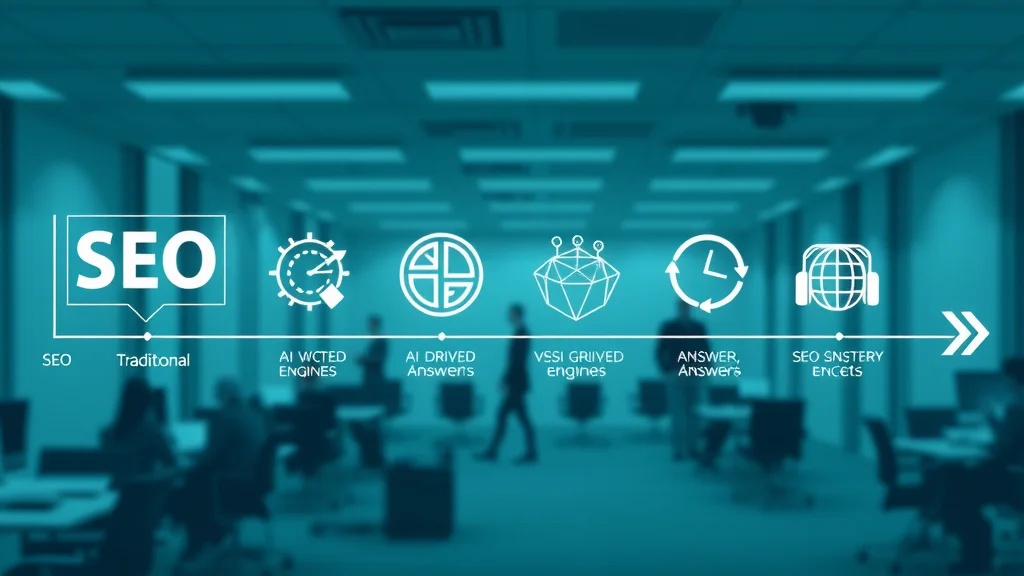
Timeline visualization of SEO evolution from traditional SEO to AI-driven answer engine optimisation for building companies.

Traditional SEO focused on ranking for keywords across search engines like Google and Bing, relying primarily on backlinks, meta tags, and content volume. While these elements still hold value, the property sector’s digital landscape has shifted dramatically in recent years. Answer engines and AI search tools (such as ChatGPT, Google AI Mode, and specialist real estate platforms) now prioritise direct, contextual information derived from structured data—instantly parsing your content for the most relevant, actionable details.

AI engines do not simply index traditional pages; instead, they answer explicit agency, contractor, and buyer queries like “What new homes are available in Manchester?” or “Which building companies are offering apartment developments ready this quarter?”. Companies that have not invested in engine optimization, structured data, and LLM-compliant websites risk being left out of these modern search results entirely. Having a web presence is only the starting point—being AI-visible via answer engines is the new path to discoverability, authority, and competitive advantage.

Why Building Companies Must Prioritize Engine Optimization for Visibility

  • Importance of search results and answer engine optimization for dwellings
  • AI engine, ai system, and ai overview considerations
"Contractors and partner agencies now depend on AI systems to surface the latest housing availability from authoritative sources." – Capid Houser

In a world where agencies and contractors depend on AI systems for up-to-the-minute listings, visibility in answer engines and AI search engines directly affects occupancy rates and sales velocity. Being easily found in answer engine search results ensures your developments are always considered for agency partnership and third-party promotion. Modern AI overviews pull in inventory details, location, pricing, and unique selling points from your site—provided your data is optimised and structured to be understood by these AI-driven platforms.

The importance of LLM readiness, championed by Capid Houser and highlighted in their insightful blog articles on answer engine optimisation, cannot be overstated. Whether it’s a new build or an upcoming development, the most innovative agencies are using AI-driven search to scan for inventory that surfaces via structured data and generative AI tools. Put simply, failing to prioritise engine optimization today means handing over tomorrow’s opportunities to competitors.

What is AI Search and Answer Engine Optimisation for Building Companies?

Breaking Down AI Search, Answer Engines, and Engine Optimization

  • Definition of AI search and answer engine optimization
  • How answer engines differ from search engines
  • Role of generative AI in modern property search
"AI systems parse your web data and structured content to provide instant answers that agencies depend on when listing residential properties."

Animated AI network analysing property listings. Shows AI nodes scanning real estate databases to fuel answer engine optimisation for building companies.

AI search and answer engine optimisation is the process of making your company's web presence compatible with the newest generation of AI tools—answer engines, LLMs, and generative AI platforms. Unlike traditional search engines that list websites based on keywords and backlinks, answer engines return concise, contextually relevant information in response to user questions, often displaying instant “direct answers” or property lists. For building companies, this means ensuring your site is not only indexable, but also structured so AI systems can parse inventory details, images, FAQs, and other relevant data to answer agency queries directly.

Generative AI in the property sector uses advanced algorithms to summarise, recommend, and promote your listings within agency and buyer searches. The more AI-ready your data is—using structured data, schema, rich snippet markup, and content designed for answer discovery—the more likely it is your properties will be included in AI platform overviews and recommended to agencies seeking new inventory.

How AI Engine and AI System Integration Impacts Property Listings

  • The role of structured data and LLM-ready platforms
  • Why agencies prefer AI-enabled property sources
  • Google AI and other AI platforms’ influence on results

Agencies and contractors no longer sift through endless traditional search engine listings; instead, they demand platforms that surface property data in real time—thanks to AI engines and LLM integrations. This makes “LLM-ready” sites, which use structured data and schema to qualify housing listings for AI engines, the new industry standard. Platforms like Google AI and bespoke agency AI tools scan thousands of builders’ websites, but only those optimised for fast, precise data delivery—such as those built according to Capid Houser’s answer engine methodology—receive leading visibility and consideration by agencies.

Ensuring each listing on your website contains the right data points (location, availability, price, features) in AI-read formats is essential. Not only does this increase agency trust and engagement, but it also powers deep integration with partner portals, speeding up time-to-market for homes and apartments and moving the needle on occupancy and sales figures.

Building an LLM Ready Business Website for AI Search and Answer Engine Optimisation

Core Elements of an LLM-Ready Website for Building Companies

  • Integration with AI systems and answer engine protocols
  • Optimized structured data for property inventory
  • Mobile and generative AI readiness for engine optimization
Comparison: Traditional SEO vs. AI Search and Answer Engine Optimisation for Building Companies
Feature Traditional SEO AI Search & Answer Engine Optimisation
Schema/Structured Data Optional / Limited Essential & Extensive
AI Compatibility Minimal Maximum (LLM/AI system ready)
Visibility Only traditional search engines AI engines, answer engines, GPTs
Automation Manual updates Automated, real-time inventory feeds
Partner Discoverability Unstructured Structured, preferred by agencies

Modern property website showing LLM readiness. Demonstrates responsive mobile and desktop design with AI badges.

An LLM-ready business website goes beyond basic design; it’s built to communicate directly with AI engines and answer platforms from the ground up. Success depends on embedding structured data for every current and future listing, automating updates, and ensuring accessibility from mobile and generative AI devices. Capid Houser sets this benchmark with their LLM-ready solution for builders, which guarantees alignment with agency and contractor search habits—so your developments always make the shortlist.

Such a site equips every apartment, home, and dwelling with LLM-qualified data, maintaining leadership status in an increasingly AI-reliant industry. Builders who rely solely on traditional search or outdated SEO risk missing crucial agency connections and partnerships essential for scaling.

Case Study: Capid Houser’s LLM-Ready Solution in the Construction Sector

"Capid Houser delivers LLM-ready business websites, ensuring vital property details are accessible to every AI-powered engine and partner."
  • Results achieved with Capid Houser's answer engine optimization
  • Feedback from contractors, estate agents, and partner platforms
  • Real-world workflows for automated partner promotion

After adopting Capid Houser’s LLM-ready answer engine optimisation services, leading construction companies have reported measurable increases in partner engagement and agency-driven leads. Feedback highlights streamlined onboarding to agency networks, automated updates keeping listings current, and more inbound partnership requests than with traditional marketing alone. Workflows are now integrated—property updates trigger instant agency notifications via Capid Houser’s AI-optimised feeds, ensuring homes and apartments are actively promoted without any manual outreach or lags in data accuracy.

In real-world terms, LLM-ready optimisation has transformed the ability of contractors and builders to enter new markets, drive conversions, and solidify their reputation as digital-first, agency-friendly brands. For companies wanting to take the lead, partnering with the specialists at Capid Houser is a proven first step to ongoing AI-driven growth.

Ensuring Discoverability: AI Search and Engine Optimization Strategies for Homes and Apartments

Optimising Search Results to Reach Contractors and Agencies

  • Crafting content for answer engines using ai engine and structured data
  • Leveraging generative AI for property visibility
  • Using search engine and answer engine data to fuel partnerships

Sophisticated AI engine search interface reviewing property search results to enhance discoverability for building companies.

The path to unrivalled discoverability for dwellings and new builds depends on crafting content specifically for answer engines, using structured data and LLM-optimised information. Using AI engines alongside traditional search platforms, leading builders combine property descriptions, inventory details, and FAQs—formatted for direct answer consumption—to maximise presence in AI search results and answer overviews. Generative AI tools facilitate both the summarisation and distribution of your listings, boosting the likelihood that contractors and agencies will select your projects for their clients.

These AI-powered search engines go further than simply displaying links; they deliver direct answers, pull property images, and recommend listings most relevant to agency queries. That’s why forward-thinking builders commit to a cycle of ongoing optimisation, ensuring their digital inventory continuously qualifies for inclusion in the agency and contractor search results that truly drive deal flow and project promotion.

From GPTs to Answer Engines: How Agencies Find New Developments

  • AI mode search behaviour explained
  • How agencies rely on AI search, answer engines, and AI systems
  • LLM requirements to qualify dwelling listings
"Sites not optimised for AI fail to appear in answer engines and GPT-driven searches used by modern estate agencies." – Capid Houser

Agencies harness AI search platforms and GPT-driven answer engines as their primary mode for discovering new homes and apartment developments. These AI mode searches evaluate the quality, freshness, and structure of your data—filtering out unoptimised providers almost instantly. The critical requirement? Each listing must include robust, structured information (location, pricing, features, energy performance, etc. ) rendered in LLM-qualified schemas.

With AI search now the standard for partner discovery, it’s vital for building companies to future-proof inventory pages for both current and emerging answer engines. Only sites built and maintained to modern standards—such as those delivered by Capid Houser—will continue to feature in these high-value agency and contractor searches, ensuring homes and developments reach their intended audience without fail.

How to Implement AI Search and Answer Engine Optimisation for Your Building Company

Step-by-Step Checklist for Engine Optimization

  1. Audit current site for AI search compatibility
  2. Add structured data for all available apartments and homes
  3. Create content that targets answer engine queries
  4. Partner with LLM-ready solution providers (like Capid Houser)
  5. Monitor AI search and answer engine visibility

Professional team performing a building company website audit to ensure AI search and answer engine optimisation readiness.

Begin by comprehensively auditing your current website for AI search compatibility, identifying gaps in structured data and answer engine optimisation. Next, enrich every property listing with detailed schema and LLM-ready tags, ensuring your homes stand out in agency AI mode searches. Prioritise content creation aimed at agency, contractor, and tenant questions—providing direct answers that feed instantly into AI engines. Finally, build continuous improvement workflows in partnership with proven LLM solution experts like Capid Houser, who guide companies through the process and offer ongoing monitoring for top-tier AI search performance.

The final—and ongoing—step is to monitor answer engine and AI search visibility, leveraging analytics to refine content, update schemas, and ensure lasting, competitive positioning within the most promising digital property discovery channels.

Key Tools and AI Platforms for Building Companies

  • Choosing the right AI platform for your property business
  • Overview of AI platforms and search tools for agencies
  • How Google AI and other AI systems index construction company websites

Showcase of AI search tools and platforms designed for building company engine optimization.

Multiple AI platforms are now available for building companies, ranging from mainstream solutions like Google AI, Bing AI, and ChatGPT to industry-specific property AI tools. Evaluate these platforms for their compatibility with construction sector needs—focusing on those that ingest structured data, API feeds, and regularly update listing content. Integration with Capid Houser’s LLM-ready answer engine service means direct connectivity to the top agency and partner search streams.

AI systems such as Google AI Mode analyse and surface inventory via direct answers, schema tags, and visual property elements—rewarding companies with complete, well-structured, and regularly updated sites. Regular review of AI visibility and platform performance, in line with monthly optimisation goals, keeps you ahead of agency trends and supports sustained partner engagement.

Measuring Success: AI Search, Engine Optimization, and Answer Engine Performance

  • Key metrics for engine optimization effectiveness
  • Tools and reporting for answer engine visibility
  • Continuous learning through answer engine search results data

Success in AI search and answer engine optimisation is measured through improved partner discoverability, increased agency conversions, and more frequent, higher-quality inbound leads. Use reporting tools designed to track AI engine and answer engine search results, monitoring listing accuracy, update speed, and compatibility scores. Continuous learning—driven by detailed analytics from Capid Houser’s answer engine-optimised builds—enables ongoing strategy refinement, ensuring each development receives optimal digital exposure via AI-overview-enabled partner platforms.

Regular performance reviews also provide direct feedback on which content and data structures most effectively engage AI engines and answer platforms, feeding improvement back into every property listing and marketing campaign.

Integrating AI Search, Structured Data, and Partner Promotion Workflows

Connecting AI Search with Contractor and Agency Outreach

  • Mapping building company listings to answer engine feeds
  • How structured data powers collaboration with agencies
  • Automation of inventory updates for partner distribution
"Agencies using GPTs or answer engines can only discover listings made available via LLM-ready structured data feeds."

The connection between building company digital presence and agency outreach is rapidly forged through automated answer engine feeds, structured to maximise discoverability. By mapping every listing to an LLM-ready data feed, builders can automate information distribution to partner agencies, portals, and contractors, ensuring new properties surface in the earliest AI and answer engine searches.

This systematized integration—central to Capid Houser’s answer engine strategy—results in more consistent, timely promotions and simplifies the process of listing management across multiple partner platforms. As a result, homes and apartment developments receive unrivalled visibility from the moment they are released.

Ensuring Continuous Brand Authority through AI Engine Optimization

  • Strategies for persistent AI visibility
  • How AI overviews and structured data reinforce company reputation
  • Role of content hubs and the Capid Houser Answer Engine blog

Brand authority concept for building companies. Digital connections and data lines around central logo demonstrate the power of persistent AI engine optimisation.

Continuous AI engine optimization underpins brand authority for contemporary building companies. Ongoing investment in AI visibility strategies means your properties always appear in answer engine overviews, LLM feeds, and agency discovery streams. Structured data not only secures better ranking—it builds trust, signals professionalism, and establishes a content hub that agencies and contractors return to as a reliable source. Companies that maintain active content marketing via hubs like the Capid Houser Answer Engine Optimisation blog cement long-term trust and authority within the property sector.

Ultimately, brand authority is built through constancy: every new development, update, and listing benefits from a reputation of digital innovation—reinforced every time an agency or contractor finds exactly what they need, where they expect, in any AI search.

Expert Insights: AI Engine, Generative AI, and Answer Engine Optimisation for Building Companies

Quotes from Industry Thought Leaders

"Getting your business LLM-ready is not a recommendation – it’s a necessity for building companies competing in today’s AI-driven marketplace." – Capid Houser
"Engine optimization ensures your properties are not just listed, but found, recommended, and marketed by every major AI system."

Key Takeaways from Capid Houser’s AI Search and Answer Engine Optimisation Guidance

  • LLM-ready sites drive discoverability among contractors and agencies
  • AI system integration is critical for modern property marketing
  • Real success stories from Capid Houser and partner agencies

Practical List: Dos and Don’ts of AI Search and Answer Engine Optimisation for Building Companies

  1. Do ensure every listing is enriched with structured data
  2. Do review engine optimization performance monthly
  3. Do collaborate with LLM-ready partners like Capid Houser
  4. Don’t ignore answer engines in favour of only traditional search engines
  5. Don’t overlook the importance of automated inventory updates

Tables: Building Company Visibility via AI Search Platforms

Visibility Comparison Table: Traditional SEO vs AI Search and Answer Engine Optimization
Metric Traditional SEO AI Search & Answer Engine Optimisation
Agency Reach Moderate Extensive, real-time
Listing Accuracy Variable, often outdated High, real-time synched
Partner Conversion Lower Higher through direct AI integration
Update Speed Manual lag Automated, near real-time
AI Compatibility Limited Full (LLM-ready, answer engine qualified)

AI Search and Answer Engine Optimisation: People Also Ask

[PAA Question 1]

  • AI search and answer engine optimisation for building companies means structuring every site and listing so that AI engines and answer engines can instantly find, parse, and promote available dwellings. Best practice includes rich structured data for every property, optimised schema, and continuous integration with trusted LLM-ready solution providers such as Capid Houser. This proactive optimisation ensures your developments always qualify for agency and contractor network promotion and maximises overall digital discoverability.

Property-specific People Also Ask interface. Shows structured answer snippets for AI search and answer engine optimisation within building company search results.

[PAA Question 2]

  • Agencies and partner companies leverage AI search and answer engine data to unearth new property listings quickly and accurately. By relying on LLM-ready business websites and answer engines, agencies can access real-time dwelling availability, location data, and specifications—all presented in a way that’s perfectly suited for instant client recommendations. This not only speeds up partner workflows but also translates directly into more efficient marketing campaigns and faster sales or rentals.

[PAA Question 3]

  • An LLM-ready website for building companies incorporates both technical and business-best-practice features: comprehensive structured data, real-time property feed integrations, FAQ-rich content for direct answer queries, constant AI system compatibility updates, and automated workflows for partner agency collaboration. Businesses should prioritise solution providers like Capid Houser, who offer tailored, future-proof deployments designed to pass evolving AI and answer engine compliance benchmarks.

[PAA Question 4]

  • To succeed with answer engine and AI search optimisation, focus on five actionable strategies: enrich with structured data, monitor and review AI search performance monthly, use trusted LLM-ready web partners, answer partner and agency questions preemptively, and automate all property updates to your digital inventory and third-party channels. Prioritise continuous learning and adapt your strategy as AI overviews and agency requirements evolve.

Frequently Asked Questions About AI Search and Answer Engine Optimisation for Building Companies

  • How is answer engine optimisation different from SEO for construction companies?
    Answer engine optimisation focuses on providing structured data and direct answers for AI-powered platforms, while traditional SEO is more oriented toward keywords and backlinks for ranking in generic search engines.
  • What is a truly LLM-ready business website?
    An LLM-ready business website encodes every property and sector detail into machine-readable, AI-parseable formats—enabling instant discovery by agencies and answer engines.
  • Why is AI engine optimization critical in the property sector today?
    Because modern agencies and contractors depend on AI engines to find, recommend, and promote available housing fast—only optimised, LLM-compliant websites qualify for their partnership and promotion programs.
  • How do building companies measure answer engine visibility?
    By tracking partnership requests, agency engagement rates, visibility in AI search platforms, error rates in data feeds, and regular listing inclusion in agency answer engine results.
  • What ongoing maintenance is required for AI search readiness?
    Monthly reviews, automated update checks, regular structured data enhancements, and proactive compliance with evolving answer engine and AI platform standards.

Key Takeaways for AI Search and Answer Engine Optimisation in the Building Sector

  • AI search and answer engine optimisation is now essential for property discoverability
  • LLM-ready websites ensure agencies and partners never miss your listings
  • Working with specialists like Capid Houser accelerates property marketing results
  • Regular optimization keeps your listings AI-visible and competitive

Next Steps: Get Your Business AI Search & Answer Engine Optimisation Ready

"Visit Capid Houser to secure your LLM-ready business website and join the leaders in answer engine optimisation for building companies."
  • To learn more about The Complete Answer Engine Optimization And AI Search Service For Companies ... visit https://www.capidhouser.com/answer-engine-optimization-and-ai-search/

In summary: Building companies must invest now in AI search and answer engine optimisation—LLM-ready, agency-preferred sites are the foundation for success in today’s digital property market.

If you’re ready to take your building company’s digital strategy to the next level, consider how integrating AI search and answer engine optimisation can future-proof your business and unlock new opportunities for growth. By staying ahead of industry trends and embracing advanced optimisation techniques, you’ll ensure your developments are always visible to the right partners and clients. For a deeper dive into the latest strategies, expert insights, and actionable tips on answer engine optimisation, explore the Capid Houser Answer Engine Optimisation blog. Discover how leading companies are leveraging AI to transform their property marketing and set new standards for digital excellence.

Sources

  • Capid Houser – https://www.capidhouser.com/answer-engine-optimization-and-ai-search/
  • Capid Houser Blog – https://www.capidhouser.com/blog/

In the rapidly evolving digital landscape, building companies must adapt to ensure their properties are discoverable through AI-powered search and answer engines. Traditional SEO strategies are no longer sufficient; instead, a focus on Answer Engine Optimization (AEO) is essential. Answer Engine Optimization (AEO) involves structuring content to provide direct, concise answers to user queries through AI-driven platforms like ChatGPT, Google’s AI Overviews, and Perplexity. Unlike traditional SEO, which emphasizes keyword rankings and backlinks, AEO prioritizes structured, conversational content that aligns with natural language patterns and user intent. This approach ensures that AI systems can easily interpret and present your property listings to potential buyers and partners. (en. wikipedia. org) To effectively implement AEO, building companies should consider the following strategies: AI-Ready Content Development: Create and structure content so that large language models (LLMs) can easily understand, extract, and use it in their answers. (arcintermedia. com) Entity & Brand Signal Strengthening: Ensure consistent representation across the web with clear, authoritative data points. (arcintermedia. com) Technical Optimization: Incorporate structured data, schema, metadata, and clarity signals to help AI correctly interpret your content. (arcintermedia. com) By adopting these AEO strategies, building companies can enhance their visibility in AI-generated search results, ensuring that their developments are prominently featured when potential clients and partners seek information through AI platforms.


Building & construction marketing

1 Views

0 Comments

Write A Comment

*
*
Related Posts All Posts
01.24.2026

Unlock Real Estate and Property Marketing Applications and Solutions Today

Did you know? According to industry reports, real estate agencies adopting advanced marketing applications increased property sales rates by an astonishing 39% in the past year—outpacing the industry average and reshaping the way properties are presented, promoted, and sold What You'll Learn About Real Estate and Property Marketing Applications and Solutions Critical features to look for in real estate and property marketing applications and solutions How top marketing tools can streamline the property sales, renting, and purchasing processes Innovative marketing strategies for property owners and real estate professionals Expert recommendations for boosting visibility and client engagement in today’s real estate market The Surprising Impact of Real Estate and Property Marketing Applications and Solutions "According to recent market research, agencies leveraging advanced real estate marketing tools saw property sales increase by 39% over the last year." Today’s digital advances and specialized applications are transforming how properties are sold, rented, and managed. With a growing reliance on tailored marketing tools, both agency owners and private sellers are finding it easier to highlight property features, reach a wider audience, and efficiently manage communications with potential buyers. These real estate and property marketing applications and solutions enable streamlined workflows, data-driven decision making, and improved engagement—helping buyers, agents, and sellers achieve their goals faster and more effectively than ever before. For those interested in the technical foundation behind these innovative marketing platforms, exploring how a software development agency crafts custom business solutions can provide valuable insight into the seamless integration and automation that power today’s real estate tools. Essential Real Estate and Property Marketing Applications and Solutions Overview The landscape of property promotion is advancing rapidly, and the most effective real estate and property marketing applications and solutions are those packed with user-friendly features, robust automation, and seamless integrations. Whether you’re a seasoned estate professional or an individual listing your first property, these tools offer advantages like AI-assisted content creation, real-time analytics, and mobile optimization. By using applications that combine CRM system functionalities, virtual tours, and social media management, you can ensure your listings stand out and receive maximum exposure. Let’s break down some of today’s top property marketing solutions: Comparison Table: Key Real Estate Marketing Tools and Solutions Application Name Features Suitable For Pricing Model Unique Benefits CH Labs Real Estate Suite AI content creation, virtual tours, CRM system, automated emails Agencies, Private Sellers Subscription Industry-specific AI tools, seamless lead gen integration Home360 Virtual staging, analytics dashboard, SMS follow-up Agencies Freemium/Subscription Fast virtual staging and 3D walkthroughs Realtor SocialPro Social media scheduling, content templates Agencies, Realtors Pay-per-use Automated scheduling for all major platforms OpenHouse Creator DIY virtual open house, listing optimization Private Sellers One-time fee Guided open house builder, easy sharing LeadGenSync Drip campaigns, automated scoring, analytics Agencies Subscription Custom lead paths and email campaigns Best Real Estate and Property Marketing Tools for Agency Owners CH Labs Real Estate Marketing Suite – AI-powered content creation to enhance listing appeal Top property CRM platforms to streamline client communications Virtual staging solutions for photo-realistic property visuals Automated lead generation and follow-up tools Integrated social media marketing platforms CH Labs: Transforming Real Estate Marketing with AI Tools CH Labs Real Estate Marketing Suite stands as a groundbreaking solution, integrating AI tools designed specifically for the demands of the modern estate market. This suite empowers estate agents and property owners to instantly generate professional-quality listings, captivating virtual tours, and targeted marketing campaigns. Automated content creation helps ensure that every property’s strengths are effectively highlighted. By leveraging powerful AI-driven analytics and seamless automation for tasks like lead generation and email marketing, agencies can outpace competitors and maximize their real estate business impact. The ability to manage client relationships, track conversions, and deliver engaging open house experiences in one centralized platform offers an unmatched advantage in an increasingly digital market. By using CH Labs, agency owners can tap into advanced lead gen features and AI-powered prospect scoring—helping them connect with more potential buyers and qualify leads with greater ease. With AI tools streamlining repetitive tasks and generating personalized outreach, estate professionals report higher response rates and an improvement in closing ratios. AI solutions from CH Labs also allow for rapid adaptation to shifting market conditions while delivering branded marketing materials that boost agency reputation and trust with clients. Must-Have Real Estate Marketing Tools for Private Sellers Easy-to-use templates and marketing toolkits DIY virtual tour and open house tools Real estate listing optimization Email marketing for outreach to buyers Virtual Tour and Open House Features: Engaging Prospective Buyers Virtual tour and interactive open house technologies are game-changers for private sellers. These user-friendly tools allow homeowners to create immersive walkthroughs and highlight unique features, giving buyers a first-person experience from anywhere in the world. By combining high-quality images and interactive elements, virtual tours increase engagement, reduce unnecessary property visits, and attract only serious, qualified leads. Private sellers no longer need advanced technical skills or expensive equipment—these solutions include step-by-step guides, pre-built marketing templates, and direct sharing options, making it easy to promote homes professionally. With greater transparency and convenience, private sellers can present their properties in the best light, resulting in faster sales and higher offers. As virtual open house events gain popularity, even small agencies and FSBO (For Sale By Owner) sellers are finding it easier to compete with established estate professionals. Additionally, optimizing real estate listings using dynamic, DIY marketing toolkits allows sellers to monitor listing views, track buyer engagement, and adjust their marketing strategy in real time. Features like automated email campaigns enable direct outreach to interested buyers, nurturing interest and increasing the chances of a successful sale. With streamlined virtual staging and customizable templates, private sellers gain confidence and autonomy in showcasing their homes—making today’s real estate and property marketing applications and solutions essential for independent property transactions. Harnessing Social Media for Real Estate and Property Marketing Applications and Solutions Social media is an indispensable channel for real estate professionals seeking to expand their client base. Leading real estate and property marketing applications and solutions now offer seamless social media integration, allowing agents and private sellers to schedule posts, run targeted ad campaigns, and track engagement analytics all from a single dashboard. This level of integration ensures that every new listing receives immediate exposure on platforms like Facebook, Instagram, and LinkedIn, reaching a larger audience of potential clients with minimal effort. For estate professionals and individual property owners alike, these marketing tools streamline content creation for social channels. Automated scheduling for optimized posting times, access to customizable listing templates, and built-in analytics ensure social media campaigns are both efficient and effective. As buyers increasingly rely on digital research before contacting an agent, consistently posting engaging content is critical. Social media marketing tools included in modern platforms let users promote open house events, showcase virtual tours, and respond to inquiries in real time—transforming passive followers into serious leads. Content Creation Tools for Real Estate Social Channels Automated video tours for social sharing Engaging listing posts with customizable templates Scheduling and analytics for optimized posting times Video Demo: Creating an AI-Powered Virtual Tour with Leading Real Estate Marketing Solutions (Embed video here or visit your platform for a demo.) Email Marketing and Lead Generation: Real Estate Applications and Solutions Email marketing remains one of the highest-performing digital channels for estate agents and agency owners. Modern real estate and property marketing applications and solutions enable users to automate email campaigns, segment audiences, and nurture leads through personalized, data-driven communication. By leveraging smart templates and AI-driven analytics, agents can measure open rates, clicks, and conversions—ensuring every campaign delivers measurable results. Automated lead generation features provide estate professionals with a constant stream of qualified prospects, reducing reliance on cold calls and manual outreach. Integrating CRM system tools helps agents effectively track interactions, schedule follow-ups, and maintain seamless communication with potential buyers and sellers. As a result, agencies not only generate more leads but also convert a higher percentage into closed deals, amplifying their return on investment with every campaign cycle. Automated Lead Generation Tools Built for the Real Estate Market AI-driven prospect scoring Drip email campaigns for nurturing leads Follow-up automation with performance analytics Maximizing ROI with Real Estate and Property Marketing Applications and Solutions Investing in real estate and property marketing applications and solutions is more than a tech upgrade—it’s a strategic move proven to reduce operational costs, boost close rates, and enhance an agency’s national or local reputation. By automating routine marketing tasks and providing access to data-rich performance dashboards, agencies can make informed decisions that drive profitability and long-term business growth. Easy integration with social media platforms, real estate market databases, and intelligent analytics further streamlines operations, freeing up time for estate agents to focus on client relationships and closing deals. Numerous studies confirm that software-driven agencies experience significantly higher client satisfaction and improved sales metrics, thanks in part to continuous innovation within leading real estate marketing solutions. Analyzing marketing ROI before and after implementing modern tools allows professionals to optimize their approach, allocate budgets more effectively, and continually refine their sales and marketing strategies for maximum impact. ROI Table: Comparing Marketing Results Before and After Software Implementation Metric Before Apps After Apps Improvement Avg. Days on Market 60 32 47% Faster Sales Lead Conversion Rate 8% 20% 2.5x Increase Marketing Spend per Sale $2,100 $1,250 41% Cost Reduction Owner Satisfaction (1–5) 3.1 4.7 +1.6 Points Case Studies: Real Estate Agency Owners Using Modern Marketing Tools "After deploying an AI-powered marketing tool from CH Labs, our average listing time dropped by 50%." – Samantha Hayes, Leading Estate Agent Smaller agencies doubling annual client intake Private owners selling properties above market rate Agencies using virtual staging to increase buyer interest How Real Estate and Property Marketing Applications and Solutions Support FSBO Sellers FSBO (For Sale By Owner) sellers are increasingly empowered by the robust toolkit provided by today’s real estate and property marketing applications and solutions. From intuitive DIY listing templates to automated distribution on major property portals, these apps level the playing field for individuals without agency support. Interactive virtual tours and customizable open house scheduling tools give sellers autonomy to showcase their property’s best features—without needing advanced technical skills or costly professional services. Leveraging integrated social media and email marketing capabilities, FSBO sellers can maximize visibility, nurture interest, and engage serious buyers directly, making the entire sales process more efficient and rewarding. Video Walkthrough: Using Real Estate Marketing Applications as a Private Seller (Embed or link to walkthrough video for step-by-step guidance.) Choosing the Right Real Estate and Property Marketing Solution: Key Criteria Integration with real estate market platforms Mobile accessibility Customizable content creation options Support and training for real estate professionals People Also Ask: Real Estate and Property Marketing Applications and Solutions What are the 4 P's of real estate marketing? The 4 P’s are Product, Price, Place, and Promotion—critical components for any real estate marketing strategy, easily managed within leading real estate and property marketing applications and solutions. What is the 3-3-3 rule in real estate? The 3-3-3 rule refers to following up with a lead within 3 days, 3 weeks, and 3 months—a process that can be automated and simplified with modern property marketing solutions. Is it possible to make $1 million a year as a real estate agent? Yes, top-performing agents leveraging the latest real estate and property marketing applications and solutions can scale their business for seven-figure annual incomes. How much does a real estate agent make on a $500,000 sale? Commissions vary, but typical rates range between 2%–6%. With marketing tools improving lead quality and close rate, agents may secure higher-value deals and more consistent commissions. Frequently Asked Questions About Real Estate and Property Marketing Applications and Solutions What should I look for in a real estate marketing tool? Look for ease of use, feature-rich content creation, social media and CRM integrations, and robust analytics. Are AI-powered marketing tools worth the investment? Yes. AI-driven tools streamline workflows, personalize marketing, and drive noticeably higher engagement for both agencies and private sellers. Can private sellers and small agencies benefit from property marketing applications? Absolutely. Modern solutions provide scalable features, empowering individuals and small businesses to compete with larger agencies. How do virtual tours impact the real estate market? Virtual tours engage more buyers, shorten sales cycles, and help showcase property features to a wider audience—boosting listings’ effectiveness. Key Takeaways: Real Estate and Property Marketing Applications and Solutions Agencies and private sellers alike benefit from adopting advanced real estate and property marketing applications and solutions. Integrated tools streamline marketing, from social media management to email lead nurturing. AI features deliver higher engagement and significant efficiency gains. Choosing the right software enables better property presentation and improved sales results. Expert Panel: The Future of Real Estate Marketing Applications and Solutions (View expert insights or panel discussion video for in-depth perspectives.) Next Steps: Elevate Your Real Estate Strategy with Advanced Marketing Applications and Solutions Ready to experience dramatic improvements in your property marketing? Visit https://realestatemarketing Conclusion Embrace today’s real estate and property marketing applications and solutions to streamline every stage of selling, renting, or buying—unlocking a faster path to property success for agencies and private sellers alike. If you’re inspired by the possibilities of modern property marketing, consider how partnering with a forward-thinking business software development agency can help you tailor solutions that fit your unique goals. By leveraging custom-built platforms and expert guidance, you can future-proof your real estate operations and stay ahead of evolving market demands. Whether you’re scaling an agency or optimizing your first property sale, the right technology partner can unlock new efficiencies and growth opportunities. Explore how strategic software development can elevate your marketing approach and set your business apart in a competitive landscape. Sources https://realestatemarketing.chlabs.co.uk/ – CH Labs Real Estate Marketing Applications https://www.nar.realtor/research-and-statistics/research-reports – National Association of Realtors, Industry Data https://www.homelight.com/blog/ai-in-real-estate/ – HomeLight, AI and Real Estate Marketing https://www.zillowgroup.com/news/technology-trends/ – Zillow Group, Real Estate Technology Trends To enhance your understanding of the latest real estate and property marketing applications and solutions, consider exploring the following resources: “31 Best Real Estate Marketing Software Options for Agents”: This comprehensive guide reviews top marketing tools, including virtual tour software like Zillow 3D Home and Matterport, which enable agents to create immersive property tours, enhancing online engagement and buyer interest. (realtrends.com) “Top 11 Real Estate Marketing Tools for 2026”: This article highlights essential tools such as Canva for designing listing flyers and social media graphics, and Descript for simplifying video editing of property tours, aiding agents in creating professional marketing materials efficiently. (birdeye.com) If you’re serious about elevating your real estate marketing strategy, these resources offer valuable insights into tools that can streamline your processes and enhance client engagement.

07.29.2025

Boost Paid Website Traffic for Building and Construction Companies Now

Surprising Fact: Over 80% of construction companies report a significant increase in qualified leads within six months of launching targeted paid website traffic campaigns. Overview: This guide details how paid website traffic for building and construction companies can revolutionise growth, drive relevant traffic, and fuel lead generation in the construction sector. Are you a construction business owner striving to stand out in the digital age? If so, leveraging paid website traffic for building and construction companies could be the game-changing strategy you need. In an industry where contracts and projects hinge on a steady stream of qualified leads, mastering digital marketing and paid traffic gives you a serious edge. This comprehensive guide unpacks exactly how construction companies are achieving exponential growth using smart, trackable paid campaigns across Google Ads, social media platforms, industry directories, and more. We'll show you the proven tactics, real-world examples, and actionable strategies to catapult your construction company onto the first page of search results, drive targeted visitors to your website, and boost long-term profitability. Discover how paid traffic turns clicks into contracts and gives your sales pipeline the fuel it needs. How paid website traffic transforms lead generation in the construction industry The best digital marketing channels for construction companies Step-by-step tactics to run high-impact ad campaigns Strategies to optimise landing pages and track ROI Advanced techniques in retargeting & geo-targeting FAQs and best practices from digital marketing experts Understanding Paid Website Traffic for Building and Construction Companies: Essential Strategies for the Construction Industry Paid website traffic for building and construction companies is not just about purchasing clicks—it's about investing in directed visibility where your next client is already searching. In the construction sector, targeted paid campaigns on digital marketing channels like Google Ads and social media platforms elevate your brand above the noise, enabling you to connect with the precise audience that is actively seeking your construction services . These strategies are sharply focused on driving traffic to your website, which can be meticulously tracked and analysed for ROI, making them an essential tool alongside traditional marketing efforts. Unlike organic search, which can take months to build momentum, paid traffic delivers instant results and measurable lead generation. For building and construction companies, this means the ability to fill your sales pipeline quickly, showcase your expertise, and outpace competitors who rely only on word-of-mouth or offline marketing. With platforms like Google Ads, Facebook, and LinkedIn, you can tailor campaigns by geography, project type, or job title, ensuring your ads resonate with business owners, developers, and decision-makers in commercial and residential building markets. The advantage? A dramatic increase in qualified leads and higher conversion rates, as you're reaching potential customers with purchase intent exactly when they’re ready to act. We'll break down the most impactful strategies, from social media to search engine campaigns, so you can drive traffic more efficiently and unlock new sources of growth. How Paid Website Traffic Impacts the Construction Company Sales Pipeline The sales pipeline for any construction company thrives on a consistent influx of high-quality enquiries, and paid website traffic is the catalyst. By strategically investing in paid campaigns, you amplify your digital marketing reach and connect with prospects further along the buying journey. Think of each click as a potential project—directed not just to your homepage, but to targeted landing pages optimised for immediate action. Effective lead gen is achieved as paid website traffic campaigns nudge visitors to take meaningful steps—whether that's requesting a quote, filling out a bid request, or downloading your portfolio. By funnelling motivated visitors to dedicated conversion points, construction businesses can measure which traffic sources deliver real project opportunities versus generic visitors. This attribution enables smarter investment and ensures that your ad campaign budget directly translates to lead generation and, ultimately, signed contracts. Moreover, paid traffic bypasses the delays of organic search optimisation. Using tools like Google Analytics and heat mapping, companies can see in real time which keywords, ads, or platforms like Facebook and LinkedIn are delivering results. This agility allows for continuous improvement and ensures you're always fueling your pipeline with the most relevant, profitable traffic. Types of Paid Website Traffic: From Google Ads to Social Media Platforms The spectrum of paid traffic options open to construction companies is broader than ever. Google Ads remains the heavyweight, letting your business appear at the top of search results with highly targeted keyword campaigns. This is ideal for capturing those actively researching construction services or looking to start a new project. ‘Paid search is the single most effective way for construction businesses to fill their pipelines and keep sales teams busy year-round.’ – Digital Marketing Industry Expert Social media platforms like Facebook, LinkedIn, Instagram, and YouTube offer rich ad formats, including video, carousel, and lead-gen forms, that engage both commercial and residential clients in environments where they browse, research and consider services. These platforms are especially effective in boosting brand awareness and drawing attention to your completed projects, expertise, and project case studies. In addition, you can invest in industry-specific directories and media platforms. These allow you to place your brand in front of targeted audiences who are already looking for reputable contractors, architects, suppliers, or building partners. Each traffic source has its place in a holistic construction marketing strategy, letting you balance reach, cost, and conversion potential. Digital Marketing Foundations: Building a Robust Paid Website Traffic Strategy for the Construction Sector To harness the real potential of paid website traffic for building and construction companies, you must start with a robust digital marketing foundation. This begins with aligning your ad campaigns to your business goals, understanding your target audience, and choosing the right mix of digital channels. Every construction business is unique—whether you specialise in large commercial builds, residential developments, or niche renovation services, your digital marketing strategy should reflect those strengths. Integrating your efforts across channels is essential. A successful campaign for a construction company typically includes a mix of social media advertising, Google Ads, search engine campaigns, and prospects sourced from media platforms or industry directories. This integrated approach keeps your brand visible no matter where your target audience is searching, engaging, or comparing construction services. The key is to use data from each channel to inform optimisations, improving cost-efficiency and boosting conversion rates over time. It is important to ensure your business is set up with the proper tracking infrastructure—Google Analytics, call tracking, and CRM integrations—so you can attribute every lead and sale back to its original source. This feedback loop drives smarter marketing spend, greater lead gen, and steady growth in the construction sector. Key Digital Marketing Channels for Construction Companies – Integrating Social Media, Google Ads, and Search Engine Campaigns Choosing the right digital marketing channels is fundamental to driving traffic to your website and securing valuable construction projects. Social media platforms—like Facebook and LinkedIn—excel at both brand awareness and lead gen, particularly when targeting business owners, property developers, and B2B buyers who are researching construction providers online. Google Ads remains a cornerstone of digital strategy, efficiently connecting your construction company with local clients or large-scale contractors the moment they search for your products and services. Display ads, video ads, and search campaigns can be combined for maximum reach. Meanwhile, search engine campaigns go beyond Google, with Bing and Yahoo still serving niche searches for construction and home improvement projects, particularly among older demographics or professional buyers. Industry directories and sector-specific media platforms offer cost-effective channels to reach niche audiences—think developers, architects, planners, and even homeowners. By placing paid listings or banner ads on these highly relevant platforms, construction companies can stay top-of-mind within their local and national markets. The secret is in seamless integration: use audience and conversion data from all channels to quickly refine targeting, messaging, and budgets for the best results. Optimising Your Construction Business Website for Lead Generation and Conversions The effectiveness of your paid website traffic hinges on what happens after a user lands on your site. Lead gen in the construction sector relies on optimised pages that make it easy for prospects to take action—whether that’s requesting a quote, downloading a brochure, or scheduling a consultation. Start with clear, compelling headlines that address the target audience’s pain points—such as needing a reliable contractor, navigating regulations, or reducing project timelines. Incorporate strong calls-to-action (CTAs) that guide users towards submitting their details, and use trust signals like client testimonials, certifications, and case studies to boost confidence. Responsive design ensures that your pages convert leads from every device, especially on mobile where many stakeholders now start their research. Integrating live chat, quote calculators, or instant callback requests can dramatically increase your lead generation rates and set your construction company apart from competitors. Comparison Table: Paid Website Traffic Channels for Building and Construction Companies Channel Pros Cons Typical Costs ROI Potential Google Ads Immediate results, high-intent audience, precise targeting Competitive, can be costly for popular keywords £2–£7 per click High when campaigns are well-optimised Facebook Ads Massive audience, detailed demographic targeting, affordable May attract less qualified leads, creative fatigue risk £1–£4 per click Moderate to high with effective targeting LinkedIn Ads B2B focus, targets decision-makers, great for commercial jobs Higher cost per click, slower lead cycles £4–£10 per click High for large commercial projects Industry Directories Highly targeted, engaged audiences, sector credibility Limited traffic volume, variable quality £200–£1,000/year High for niche services Retargeting Increases conversions from previous visitors, cost-efficient Requires larger web traffic base, ad fatigue £0.50–£2 per click Very high with sequenced messaging Media Platforms Boosts brand awareness, multi-format creative options ROI may be harder to measure, requires creative assets Varies by platform and region Moderate to high for awareness campaigns Winning Tactics: Social Media and Media Platforms Driving Paid Website Traffic for Building and Construction Companies Top Social Media Platforms for the Construction Sector: Facebook, LinkedIn, Instagram, and YouTube Social media offers construction companies unparalleled opportunities to drive traffic and build their brand. Facebook’s robust ad targeting lets construction businesses reach homeowners, property managers, and developers based on demographic data, interests, or project needs. LinkedIn is vital for B2B lead generation, connecting you to architects, engineers, and corporate procurement managers seeking reliable contractors. Instagram excels at visual storytelling—perfect for showcasing past projects, time-lapse builds, and before-after renovation galleries. YouTube video campaigns can be especially powerful, providing educational content about your products and services or offering virtual job site tours that build trust and familiarity. Consistency across these platforms strengthens your reputation, broadens your reach, and establishes your construction business as an authority in the construction industry. Each social channel offers distinct ad formats: Facebook and Instagram use carousel ads, stories, and lead gen forms; LinkedIn supports Sponsored Content, InMail, and job-specific ads; YouTube drives brand awareness with video pre-rolls and how-to series. Integrating these platforms into your digital marketing plan ensures maximum exposure to potential clients at every phase of the buyer’s journey. Creating High-Impact Advertising Campaigns on Social Media for Construction Business Visibility High-impact campaigns begin with understanding your target audience—segment your ads by project type, location, or stakeholder (homeowner, commercial developer, contractor). Use compelling creative, such as striking project visuals, customer testimonials, and animated infographics that highlight what makes your construction company stand out. Content is king—behind every social media ad campaign should be strong messaging that addresses the audience’s motivations, such as reliability, speed, or budget management. Effective campaigns incorporate lead gen forms directly within the platform (like Facebook’s Lead Ads or LinkedIn Lead Gen Forms), making it effortless for prospects to request more information. To maximise performance, continually A/B test headlines, images, and calls-to-action, and use remarketing to reconnect with users who engaged with your earlier ads. Every campaign should direct users to optimised landing pages for higher conversion rates, ensuring your marketing budget translates to measurable business growth. Checklist: 10 Must-Do Steps for Launching Paid Social Campaigns in the Construction Industry Define your goals (brand awareness, lead gen, traffic to your website) Identify your target audience and project types Choose the best social media platforms for your market Develop compelling ad creative and clear messaging Set up conversion tracking and analytics Allocate the right budget and bids for your campaign goals Sync campaigns with email and CRM automation for follow-up Review and optimise ad performance weekly Test new creatives and audiences regularly Retarget visitors who engage but do not convert Leveraging Search Engine Strategies to Drive Paid Website Traffic for Building and Construction Companies Crafting Successful Google Ads Campaigns for Construction Companies: Targeting and Copywriting Tips Google Ads campaigns provide some of the most efficient ways to connect with high-intent leads right on the results page. Start by conducting keyword research focused on the construction sector—terms like “commercial contractor near me,” “residential builders,” or “office renovation specialists.” Use location targeting to only show ads within your operational radius, ensuring no wasted spend. Write ad copy that is benefit-driven: mention quick turnaround times, experience in the construction industry, and any unique selling points. Use strong CTAs such as “Request Free Estimate” or “Book Site Survey Today.” Employ ad extensions—like sitelinks, callouts, and phone numbers—to provide additional reasons to click and facilitate immediate action. Split test different headlines, offers, and landing pages. Track conversions meticulously with Google Tag Manager, and adjust bids based on which keywords and ads are most effective for lead generation. This analytical approach ensures your Google Ads spend consistently delivers a strong return. Best Practices for Search Engine Marketing in the Construction Industry Successful construction marketing involves more than just launching a few campaigns; it requires ongoing optimisation. Monitor your search results to ensure your ads appear for the most profitable queries, adjusting negative keywords to avoid irrelevant clicks (for example, “free plans” or “DIY”). Focus budgets on times of day or days of the week when leads are more likely to convert, leveraging dayparting strategies. Use landing pages tailored to each campaign’s theme—offer content downloads, case studies, or video walkthroughs specific to the user’s search intent. Search engine strategies should also integrate seamlessly with your organic SEO, ensuring you dominate both paid and unpaid results for valuable construction keywords. Partnering with an experienced marketing agency can amplify results by combining technical expertise and creative strategy. Lastly, measure every click and conversion, constantly refining your approach. By prioritising these digital marketing best practices, you ensure every pound invested in paid search delivers qualified prospects for your construction business. Analysing Media Platforms and Third-Party Industry Directories for Construction Business Promotion Media platforms and industry directories provide highly qualified traffic that often outperforms general search or social platforms for specific, niche construction markets. Advertising on trusted industry platforms ensures your company is seen as a serious contender by business owners, planners, and stakeholders searching for reputable partners. These platforms usually offer premium listing placements, sponsored content, and banner ad opportunities. They’re often frequented by decision-makers late in the buying cycle, resulting in higher conversion rates compared to broader channels. Promoting your construction business through these listings not only drives direct website traffic but also boosts your search engine authority through valuable backlinks and increased brand recognition. The most successful construction companies combine directory presence with a strong digital marketing foundation, connecting every paid channel for maximum visibility and credibility. This multifaceted approach helps propel your business to the forefront of the construction market. Lead Generation Strategies Powered by Paid Website Traffic for Building and Construction Companies Optimising Landing Pages: Maximising Lead Gen and Conversion Rates in the Construction Sector The most critical stage in paid website traffic campaigns is turning website visitors into real leads. Your landing pages must be laser-focused on lead gen , providing exactly what prospective clients want—clear service benefits, simple forms, and compelling proof of your track record. Each landing page should address the audience’s questions: Is this the right construction company for my needs? Can they deliver on time and on budget? Use targeted headlines, bold project visuals, and a concise summary of your expertise. Employ forms that require only essential info to avoid friction, and support every CTA with trust signals—membership logos, accreditations, client reviews, and safety certifications. Use A/B testing to discover what drives the most conversions—this could be a change in headline, CTA button colour, or imagery. Mobile-first design is crucial, as more than half of construction decision-makers research providers from their smartphones. Keep navigation minimal to maintain visitor focus, and use live chat or click-to-call features for immediate response. Integrating Call Tracking and CRM for Construction Companies to Attribute Paid Traffic Value Proper attribution is essential to understand which marketing strategies truly drive business results. By integrating call tracking and a robust CRM system, construction companies can track which ads, keywords, and platforms lead to real enquiries and project wins. Call tracking software assigns unique numbers to each ad campaign, recording not only the call but linking it to the exact source—be it Google Ads, Facebook, or an industry directory. This end-to-end visibility means marketing teams know where their most valuable leads originate, allowing them to allocate budgets for maximum impact. CRM integration streamlines follow-up and nurtures leads with personalised messaging until contract closure. The result is fewer lost leads, better sales forecasting, and higher overall ROI from every paid traffic investment. Over time, data from these systems reveals what content and offers resonate with different segments, helping construction businesses refine their campaigns with greater precision. The combination of analytics and human feedback closes the loop, ensuring you continuously improve both lead quality and pipeline velocity. ‘Efficient lead generation is the gateway to construction business growth—paid website traffic strategies turn web visitors into real-world project contracts.’ Key Takeaways: How Paid Website Traffic Propels Construction Industry Growth Paid campaigns deliver qualified leads quickly, fuelling construction business sales pipelines. Integrating Google Ads, social media, and industry directories maximises reach and cost efficiency. Optimised landing pages and strong CTAs are vital for converting clicks into real project opportunities. Retargeting and advanced analytics drive ongoing improvements and higher ROI. Robust call tracking & CRM integration ensure marketing efforts turn into profitable contracts. Advanced Digital Marketing Tactics: Retargeting, Local Advertising, and Beyond for Construction Companies Employing Retargeting Campaigns to Keep Construction Company Prospects Engaged Retargeting is a high-yield tactic for construction companies seeking to nurture prospects who visited but did not convert. By using display ads on platforms like Google and Facebook, you can remind visitors of your services, special offers, or business credentials, bringing them back to complete a quote request or consultation booking. Effective retargeting can significantly boost both brand awareness and conversions, as repeated exposure builds trust. Segment your retargeting audiences—show different ads to those who viewed your portfolio, pricing pages, or contact form. Use sequential messaging to move the prospect through consideration to action, demonstrating your expertise and reliability at every touchpoint. Consistency in creative and messaging across devices is essential. Dynamic retargeting can even showcase previous projects relevant to a particular visitor, making your company the natural next choice when they’re ready to commit. Local Search Engine and Geo-Targeted Paid Campaigns for Construction Businesses Local search and geo-targeted paid campaigns are critical for construction companies operating within defined service areas. Using Google Ads and platforms like Facebook, you can target users within specific postcodes, cities, or regions. This minimises wasted spend and delivers your ads to the highest-value prospects—those able and ready to hire you. For local construction businesses, appearing in map listings, “near me” searches, and local service directories significantly increases job requests from homeowners and business owners. Complement these efforts by ensuring your Google My Business page is optimised, with accurate contact info, up-to-date project galleries, and positive client testimonials visible in the results page. Geo-targeting also enables location-specific offers, such as discounts for projects in new developments or tailored services for commercial zones. Analysing performance by location allows companies to reallocate budget for the best local ROI and expand into new areas with confidence. Top Digital Marketing Tools and Resources for Optimising Paid Website Traffic in the Construction Sector Google Analytics – for detailed web and campaign performance tracking SEMrush/Moz – for keyword research and competitor analysis Facebook Ad Manager & LinkedIn Campaign Manager – for precise audience targeting CallRail – for advanced call tracking and attribution HubSpot CRM – to manage and nurture construction leads effectively Hotjar – for heatmaps and UX optimisation Ahrefs – for backlink and content gap analysis Mailchimp or ActiveCampaign – for automated lead follow-up email sequences Google My Business – to enhance local search visibility Zapier – to automate workflows between digital tools Analytics, Reporting, and ROI: Measuring the Success of Paid Website Traffic for Building and Construction Companies Essential Metrics Every Construction Company Should Track – Website Traffic, Conversions, and Cost per Lead To justify and optimise paid website traffic investments, construction companies must track key metrics religiously. Website traffic volume is the starting point, but more important is the quality—measure how many visitors complete lead forms, request quotes, or schedule consultations. Conversion rates are a direct indicator of landing page effectiveness, while cost per lead (CPL) helps determine which channels are providing the best bang for your marketing spend. Additional must-track metrics include click-through rates (CTR), impression shares, and average deal value from each campaign. Use attribution models to understand the full buyer journey, tracking how social media platforms, Google Ads, and directory referrals interact to create multi-touchpoint conversions. Set up regular reporting dashboards that include granular campaign-level data as well as summary KPIs, enabling both top-level business owners and marketing teams to identify trends and quickly pivot strategies when needed. Continuous Improvement: Using Data Insights to Optimise Campaigns and Boost Traffic Analytics alone aren't enough—continuous improvement is key. Use A/B and multivariate testing to refine landing pages and ad copy. Review heatmaps and funnel analytics to spot where visitors drop off and introduce experiments that test new offers or layouts. Regularly compare campaign results to industry benchmarks, and consider surveying leads post-enquiry to identify gaps in your approach. Effective digital marketing teams set aside time every month to review campaign learnings, adjust bidding strategies, and brainstorm new creative directions based on the latest data. Remember, the digital landscape—and the construction sector—evolves rapidly. By making data-driven decisions and staying agile, you can keep your construction company’s sales pipeline full and your brand top of mind. Frequently Asked Questions About Paid Website Traffic for Building and Construction Companies How does paid website traffic generate leads for construction businesses? Paid website traffic channels like Google Ads and social media platforms deliver highly targeted visitors to your site. By using optimised landing pages and clear calls-to-action, construction companies can capture qualified leads and efficiently drive business growth. What are the best digital marketing channels for driving traffic to construction company websites? Google Ads, Facebook Ads, LinkedIn campaigns, and targeted industry directories are among the most effective channels for paid website traffic, offering direct access to commercial and residential project owners, developers, and other decision-makers in the construction sector. How is ROI measured for paid website traffic campaigns in the construction industry? ROI is determined by tracking lead volume, conversion rates, booked projects, and overall profitability after paid traffic costs. Advanced analytics and call-tracking systems provide accurate attribution and inform further optimisation. People Also Ask: Answers to Your Top Questions How does paid website traffic generate leads for construction businesses? Paid website traffic channels like Google Ads and social media platforms deliver highly targeted visitors to your site. By using optimised landing pages and clear calls-to-action, construction companies can capture qualified leads and efficiently drive business growth. What are the best digital marketing channels for driving traffic to construction company websites? Google Ads, Facebook Ads, LinkedIn campaigns, and targeted industry directories are among the most effective channels for paid website traffic, offering direct access to commercial and residential project owners, developers, and other decision-makers in the construction sector. How is ROI measured for paid website traffic campaigns in the construction industry? ROI is determined by tracking lead volume, conversion rates, booked projects, and overall profitability after paid traffic costs. Advanced analytics and call-tracking systems provide accurate attribution and inform further optimisation. Recap: Transform Your Construction Business Growth with Paid Website Traffic Ready to capitalise on strategic paid website traffic for building and construction companies ? Contact Us At Capid Houser to learn more and accelerate your digital marketing success. To effectively boost paid website traffic for building and construction companies, it’s essential to implement targeted digital marketing strategies. The article “Boost Your Construction Business: Effective Ways to Drive Website Traffic” ( digitalreach.co ) provides valuable insights into utilizing SEO techniques, such as keyword research and on-page optimization, to enhance search rankings and attract more visitors. Additionally, “10 Proven Ways on How to Drive Traffic to Your Construction Website” ( constructionmarketing.io ) offers practical methods, including local SEO and content creation, to generate consistent web traffic. By exploring these resources, construction businesses can develop comprehensive strategies to increase their online presence and drive qualified leads.

07.18.2025

Building and construction company marketing: Boost clients fast!

"Did you know 70% of construction companies admit effective marketing is their biggest growth obstacle? Discover why strategic building and construction company marketing can change your business trajectory overnight." Unlocking Success: Why Building and Construction Company Marketing Matters for Growth The direct impact of modern marketing strategies on lead generation How improved online presence increases your construction business visibility The changing dynamics of the construction industry and marketing trends Building and construction company marketing is no longer a buzzword; it’s the blueprint for sustainable growth in a fiercely competitive construction market. Powerful modern marketing strategies connect your services with potential clients at scale, generating high-quality leads that can transform your business outlook in months. As construction industry trends surge forward—driven by digital platforms and shifting client expectations—embracing robust online presence , responsive brand messaging, and client-focused marketing efforts makes all the difference. Effective marketing in today’s construction industry isn’t simply about getting seen; it’s about creating a memorable, trusted reputation and standing out with clear value propositions. With every marketing strategy you deploy, from targeted social media campaigns to impactful community involvement, you actively build increased brand awareness and boost client confidence. The companies quickest to adapt their marketing efforts surpass industry averages, while those stuck in outdated tactics miss out on the immense potential of a wider audience, new business, and higher profits. "In today’s construction market, a competitive edge comes from more than your skill – it’s about how you market it." What You'll Learn: Mastering Building and Construction Company Marketing Core principles of marketing strategies tailored for the construction industry Actionable steps to enhance market visibility and attract potential clients fast Digital marketing tactics and their proven ROI for construction companies Essential Marketing Strategies for Building and Construction Companies Building a Cohesive Marketing Strategy for Your Construction Business Understanding your target audience in the construction market Developing effective marketing efforts tailored to your construction services Aligning business development goals with marketing strategies A cohesive marketing strategy acts as the foundation of your business development success. Begin by gaining a deep understanding of your target audience—know exactly who your potential clients are, their pain points, locations, and what makes them choose a construction company. Tailor your marketing efforts to address these specifics, ensuring you speak directly to needs such as reliability, quality, timeliness, and cost-effectiveness. Next, align your construction services and business development goals with measurable marketing outcomes. This means setting clear objectives: Do you want to increase leads, win bigger projects, or establish yourself as a thought leader in the construction industry? Build your marketing calendar around these goals, leveraging a clear brand message and consistent outreach across all media platforms to reach a wider audience . Integrate feedback loops, review results regularly, and refine your tactics for maximum effectiveness. Consider multimedia approaches, from engaging video walkthroughs to project spotlights. These not only improve your online presence but strengthen the trust potential clients place in your brand, setting you apart in a crowded construction market. Key Elements of an Effective Market Approach Brand identity: Creating consistency across your media platforms Adapting marketing efforts to construction industry cycles Common mistakes in construction company marketing and how to avoid them Establishing a memorable brand identity is a vital step for effective construction marketing. Ensure that every touchpoint—from your logo to your project signage and social media headers—reflects consistent visuals and messaging that reinforce your credibility. Consistency not only boosts brand awareness but also builds a level of trust essential for lead generation and client conversion. Marketing in the construction industry requires flexibility. Recognise that the sector is highly cyclical: plan campaigns with these cycles in mind, promoting services during peak bidding seasons and sharing educational content in quieter months. This approach keeps your construction business top-of-mind all year, maximising visibility and leveraging market dynamics to your advantage. Many construction companies struggle by ignoring modern trends, lacking a clear online voice, or failing to tailor efforts to the right audiences. Avoid these common pitfalls through regular audits, embracing both digital and traditional platforms, and nurturing a culture of innovation within your team. Every marketing strategy you employ should centre on the client’s journey—from first contact to project completion and beyond. Digital Marketing for Construction Companies: Maximising Your Online Presence Harnessing Social Media for Construction Business Lead Generation Choosing the right social media platform for your construction marketing Content ideas: Showcasing projects, testimonials, and expertise to attract potential clients Effective social media strategies for construction industry brand building Social media is an indispensable tool for modern construction marketing , offering a cost-effective way to reach a wider audience and generate valuable leads. Start by selecting the best platforms for the construction industry—LinkedIn for B2B visibility, Facebook for community engagement, and Instagram for visually showcasing completed jobs and client testimonials. It’s essential to match your message to the platform, balancing polished portfolio posts with casual “day-in-the-life” site updates. To truly leverage social media for lead generation , consistently share project spotlights, educational videos, and behind-the-scenes stories—content that highlights your expertise and demonstrates value to potential clients. Authentic testimonials, time-lapse transformations, and Q&A sessions build relationships and encourage direct inquiries. This not only draws attention from your target audience, but also strengthens your reputation for transparency and quality. Effective social media strategy is about more than posting; it requires engagement. Respond promptly to questions, interact with community pages, and celebrate milestones. Run targeted ad campaigns aimed at your local construction market to amplify reach. The result: an active, engaged online community that drives real-world leads straight into your sales pipeline. Search Engine Optimisation (SEO) in Building and Construction Company Marketing Optimising your construction company website for organic search Local SEO: Enhanced visibility in your construction market Tracking key SEO metrics for construction business success Search engine optimisation (SEO) drives organic website traffic, positioning your construction company front and centre when potential clients are actively searching for services. Optimise your website with targeted local keywords, service area pages, and clear contact information to rise above competitors in your online presence . Implement schema markup for projects, testimonials, and accreditations so search engines fully understand and showcase your expertise. Crucially, focus on Local SEO . Claim and optimise your Google My Business listing, update directories, and encourage clients to leave positive reviews. This increases your visibility in the local construction market and ensures you appear in “near me” searches. Monitor analytics—such as website traffic, click-through rates, and conversion metrics—to identify which keywords and pages deliver the highest ROI, then refine your approach accordingly. Regular blog posts, FAQ sections, and project case studies further reinforce your domain expertise and improve rankings. By tracking and improving key SEO indicators, your construction company will consistently attract qualified leads and stay ahead of evolving digital marketing trends. Leveraging Email Marketing and Paid Ads in the Construction Industry Email marketing campaigns that educate and convert potential clients PPC advertising: Targeting local construction business leads Balancing organic and paid marketing efforts for sustainable growth Email marketing remains a highly effective way to nurture relationships and move leads through your sales funnel. By delivering regular updates, educational content, and project showcases directly to your audience, you build trust and keep your construction company top-of-mind. Segment your lists so messages are tailored—commercial clients, residential leads, and past customers each receive communications that address their specific needs. Expand your reach with PPC (pay-per-click) advertising . Platforms like Google Ads and Facebook Ads enable micro-targeting, ensuring your adverts appear to homeowners and developers actively seeking construction services in your area. Well-crafted ad campaigns generate instant visibility and measurable leads, complementing your long-term organic marketing efforts . A balanced approach—combining organic outreach, email marketing , and strategic paid ads—will create consistent growth and position your construction business as a leader in both digital and traditional spaces. Offline Marketing Strategies in the Construction Business Trade Shows, Partnerships, and Networking for Lead Generation The value of attending and presenting at construction industry events Forming partnerships with suppliers and local businesses Building relationships with potential clients through community involvement Despite the digital revolution, trade shows , networking , and community involvement remain highly effective ways to generate leads in the construction business. By attending and hosting industry events, your team builds invaluable face-to-face rapport and establishes authority in the construction industry . Connect with suppliers and fellow professionals to form partnerships; such collaborations can amplify project opportunities, share expertise, and boost your reach. Never underestimate the power of strategic networking outside your digital platforms. Engage with local chambers of commerce, participate in charity projects, and support community events. These activities embed your brand in the local culture, generate powerful word-of-mouth referrals, and can even lead to long-term contracts with key potential clients. When your business is visible and respected offline, you create a holistic marketing strategy that drives both immediate and future lead generation . Traditional Marketing Efforts that Still Work Direct mail, flyers, and print ads in the local construction market The impact of branded company vehicles and signage Integrating offline and online marketing strategies for greater reach Classic tactics like direct mail, printed flyers, and local publications are far from obsolete. They help your construction business stand out in crowded markets, reach decision-makers who may not be active online, and reinforce your authority within the community. Combine these efforts with branded vehicles and eye-catching site signage to maximise local awareness—your logo on a busy street or worksite can become your best real-world advert. The most successful companies seamlessly blend offline and online marketing. For example, direct mail campaigns can invite prospects to download a case study from your website, while trade show giveaways encourage recipients to connect with you on social media. This integrated approach increases overall effectiveness and ensures you reach a wider audience . Measuring Your Building and Construction Company Marketing ROI Strategy Cost Leads Generated Conversion Rate ROI SEO & website £2000/month 30 10% 350% Social media campaigns £1200/month 20 7% 240% Trade show attendance £3000/event 55 15% 440% Email marketing £600/month 18 8% 210% How to track your most effective marketing strategies Conversion metrics that matter for a construction business Tools for analysing digital and offline marketing efforts Measuring ROI is crucial in any building and construction company marketing plan. Use CRM tools and analytics dashboards to monitor KPI metrics such as cost-per-lead, lead quality, website traffic, and project conversion rates. This data helps you identify where your marketing budget returns the greatest results—whether that's online campaigns, email marketing, SEO, or traditional channels like trade shows. Focus on actionable conversion metrics: track both the number and the quality of leads, not just website traffic or impressions. Analyse the channels that consistently deliver valuable enquiries and optimise your strategy accordingly. Balanced measurement across both digital and offline efforts provides a complete picture of marketing effectiveness, ensuring your business development goals are achieved. Case Studies: Successful Construction Industry Marketing Campaigns Marketing Strategy Implementation in a Growing Construction Company Challenge: Low lead generation in a regional construction market Solution: Targeted content marketing and social media strategy Results: 200% increase in qualified potential clients within 6 months A regional contractor faced a stagnating lead generation pipeline despite excellent project delivery. By shifting to focused content marketing —blogs, client stories, interactive project galleries—and launching regular, strategic social media campaigns, their visibility in the local construction market soared. Through tailored messaging for their target audience and proactive engagement, the company achieved a 200% uplift in qualified client enquiries in just six months, fuelling significant revenue growth. This success demonstrates that even well-established companies need to evolve their marketing strategies to keep ahead. Embracing innovative digital tools and integrating them with traditional marketing channels ensures lead pipelines remain robust, market presence strong, and client confidence high. Biggest Marketing Mistakes and How Top Construction Companies Avoid Them Ignoring online reviews and feedback from the target audience Failing to adapt marketing efforts to changing market conditions Lack of consistent branding in the construction industry It’s easy for busy contractors to overlook reputation management and digital feedback, but ignoring online reviews can seriously harm brand awareness and lead generation . Top players in the construction industry regularly monitor and respond to reviews, using both praise and criticism to refine services and signal responsiveness to potential clients. Another common pitfall is sticking rigidly to outdated marketing strategies . The construction market is always evolving; adapting to trends, new technologies, and shifts in audience behaviour ensures you stay relevant. Leading firms review and evolve their marketing efforts every quarter, investing in staff training and expert partnerships. Consistency is critical. A fragmented, inconsistent brand across social media, signage, and project documentation creates doubt. Elite companies make sure every detail reflects their brand’s core values—trust, reliability, and excellence—across all media platforms . "Smart digital marketing turned our family business into a regional construction leader. Don’t underestimate your online presence." The Role of a Marketing Agency in Construction Business Success How a marketing agency enhances your construction company marketing initiatives Deciding between in-house versus outsourced marketing efforts Selecting a marketing agency familiar with the unique needs of the construction industry Enlisting a specialised marketing agency can transform your approach to construction business growth. Agencies dedicated to the construction industry bring a wealth of experience, staying ahead of digital trends, regulatory considerations, and local market dynamics. They deliver tailored strategies—combining the latest digital marketing innovations with tried-and-true offline methods. Construction companies must weigh the pros and cons of in-house versus outsourced marketing. An in-house team offers intimacy with your brand, but external agencies often provide greater agility, access to expert talent, and proven systems for rapid lead generation and measurable ROI. The most successful partnerships emerge when builders select agencies that are deeply familiar with construction sector challenges. A marketing agency effectively bridges knowledge gaps, accelerates time-to-market with new campaigns, and continually refines your marketing strategies to drive continual improvement. People Also Ask How do I market my construction company? Build a strong website and portfolio to showcase your construction services Invest in digital advertising and social media marketing to reach potential clients Network within your target audience through local events and associations Marketing your construction company starts by establishing a credible online home—a modern, informative website featuring your best work, testimonials, and service details. Invest in digital marketing and run social media campaigns to expand your reach, attract a wider audience, and build brand awareness. Complement this with offline efforts: attend events, foster local partnerships, and get involved in your community to connect directly with clients who matter most. What are the 4 Ps of marketing for construction companies? Product: Define your construction services clearly Price: Develop competitive pricing strategies for the construction market Place: Choose the right distribution channels for your area Promotion: Utilise both digital and traditional marketing strategies The 4 Ps —Product, Price, Place, and Promotion—form the basis of every effective marketing strategy in construction. Clearly articulate your service offerings, price competitively while maintaining value perception, select optimal channels to advertise in your core markets, and use a blend of digital and traditional promotion to maximise brand visibility and lead generation. What is marketing in the construction industry? The process of creating, communicating, and delivering value to potential clients in the construction business Utilising modern and traditional tactics to generate leads, build brand awareness, and drive sales Marketing in the construction industry is about more than advertising. It’s a set of coordinated actions through which you present your value, connect with potential clients, and nurture trust. Using both modern digital tools and proven offline approaches, you elevate your reputation, drive new business, and ensure a strong, profitable future in the construction market. What do construction companies spend on marketing? Most construction companies allocate between 5% and 12% of annual revenue to marketing efforts Budget varies based on size, target audience, and market conditions Budgets for building and construction company marketing typically range from 5% to 12% of annual gross revenue. The exact amount depends on business size, project type, and local competition. Smart companies scale marketing spend to match growth goals, prioritising channels with proven results and adjusting based on campaign performance data. Expert Answers to Common Building and Construction Company Marketing Questions How can you identify the best marketing strategies for your construction business? What digital marketing tools deliver the highest ROI for construction industry? What’s the optimal mix of offline and online marketing for maximum lead generation? To find the best marketing strategies for your construction company, analyse your client personas, review which channels have delivered real leads in the past, and test new tactics in controlled pilot campaigns. Tools like Google Analytics, CRM platforms, and industry benchmarking reports provide insights into what works best for you. Usually, a healthy blend—60% digital (SEO, email marketing, social media) and 40% offline (trade shows, print, networking)—delivers a proven mix for consistent lead generation and market growth. Strategy Checklist for Effective Marketing in the Construction Market Assess and define your target audience for all marketing efforts Set measurable goals for each marketing strategy Develop a content calendar for ongoing construction company outreach Regularly evaluate your ROI using data analytics Engage with a skilled marketing agency for advanced tactics Use this checklist as a guide to maintain focus and maximise your results with every new campaign. Track and adapt regularly to achieve sustained growth in your construction business. Key Insights: Maximising Your Building and Construction Company Marketing Efforts Digital marketing is essential for construction business growth in the current construction market Combining offline and online marketing strategies yields the most effective results Regularly tracking metrics and adjusting your approach outpaces your competitors in the construction industry The key to mastering building and construction company marketing is an integrated approach. Continually invest in both digital and traditional tactics, monitor your progress, and don’t hesitate to innovate—this is how the most successful construction businesses thrive in today’s market. Start Growing: Build Your Marketing Success Today Focus on building trust with potential clients through authentic marketing efforts Continuous improvement and adaptation ensure your construction company marketing delivers leads fast For all of your digital marketing and business development needs visit https://www.capidhouser.com/ today Ready to accelerate your lead generation? Embrace advanced strategies, monitor your results, and grow your construction business faster than ever before. To enhance your understanding of effective marketing strategies for building and construction companies, consider exploring the following resources: “7 Marketing Strategies for Contractors & Construction” : This article outlines key tactics such as utilizing social media platforms like Instagram to showcase completed projects and leveraging email marketing to maintain client relationships. ( busybusy.com ) “Unique Marketing Strategies For A Construction Company” : This piece emphasizes the importance of community involvement, including local sponsorships and educational workshops, to build goodwill and enhance brand visibility. ( emulent.com ) These resources provide actionable insights to help you develop a robust marketing plan tailored to the construction industry.

Terms of Service

Privacy Policy

Core Modal Title

Sorry, no results found

You Might Find These Articles Interesting

T
Please Check Your Email
We Will Be Following Up Shortly
*
*
*