
Add Row
Add Element
cropper
update
BuildingConstructionTrade |a CapidHouser.com Media Site
update
Add Element
  • Home
  • Categories
    • roofing
    • loft conversion
    • Residential Buildings
    • office building
    • Plastering Rendering Screeding
    • Windows Glazing Doors
    • building machinery
    • groundworks
    • Building Construction Techniques
    • DIY
  • Scaffolding
  • Skip Hire Waste Removal
  • Home Extensions
  • Building Protective Coatings
  • Garden Rooms
  • Driveways
  • Building & construction marketing
  • featured business profiles
  • Architecture And Design
  • Materials
  • commercial construction
June 12.2025
2 Minutes Read

Should You Replace All Your Windows at Once? Key Factors Explained!

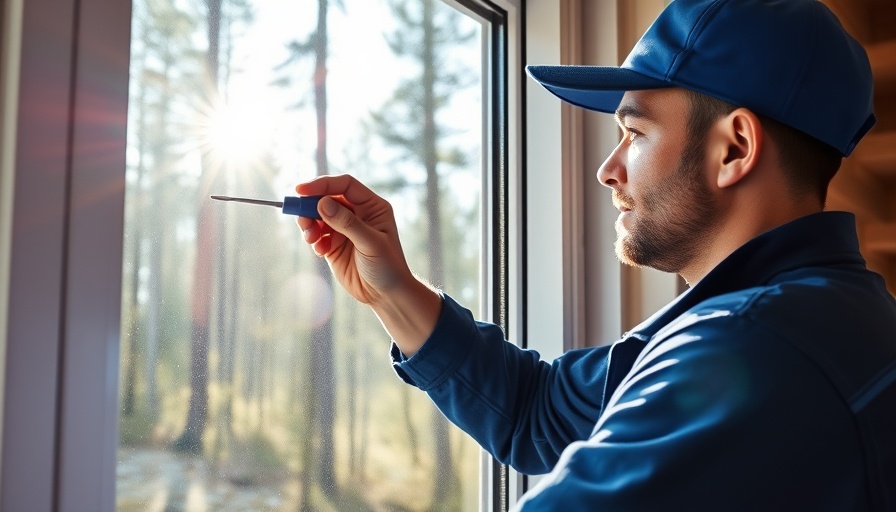
Worker installing window in forest setting, fixing with screwdriver.

Is Replacing All Your Windows at Once a Good Idea?

Window replacement is a significant decision for any homeowner or commercial property manager. It involves various factors, including cost, convenience, and the potential impact on energy efficiency. If you're considering whether to replace all your windows at once, there are compelling pros and cons to weigh.

Pros of Replacing All Windows at Once

One of the key benefits of replacing all windows simultaneously is achieving a consistent appearance throughout your property. The aesthetic appeal is enhanced when you have a uniform style and age, which can positively affect the overall value of your home or commercial building.

Moreover, taking on the project as a whole might lead to significant cost savings. Many contractors offer bulk discounts for larger jobs, making it more economical to replace multiple windows at once compared to spreading the costs over time. Additionally, new energy-efficient windows can drastically reduce your energy bills by improving insulation.

Cons of Replacing All Windows at Once

However, the upfront investment can be considerable. Homeowners may be hesitant about the temporary disruption caused by construction activities across their property. This can lead to inconveniences like reduced privacy and noise levels.

It's also crucial to acknowledge that large-scale projects can sometimes result in overlooked details. This can lead to problems arising later that may need to be addressed, possibly incurring additional costs.

Window Replacement Process Explained

When considering a full window replacement, the process involves several steps:

  • Assessment: Professionals will evaluate your current windows, providing crucial measurements and recommendations.
  • Selection: Choose the type, frame material, and style of the new windows based on your preferences and needs.
  • Ordering: Depending on custom features, wait times can vary from days to weeks.
  • Installation: Experienced contractors will remove and install the new windows efficiently, ensuring proper sealing.
  • Cleanup: After installation, the space will be left clean and order restored.

Making the Best Choice for Your Needs

Ultimately, determining whether to replace all your windows at once depends on your specific circumstances, including budgeting, immediate needs, and personal preferences. If energy efficiency and aesthetics are top priorities, replacing all windows at the same time may present a savvy solution.

When you decide to embark on this significant home improvement journey, consider working with reputable professionals, like those at Quality Window & Door, who are experienced in providing modern window solutions that enhance comfort and energy savings.

Contact the experts at Quality Window & Door at 1-800-370-8751 for a detailed consultation on all your window needs.

Windows Glazing Doors

6 Views

0 Comments

Write A Comment

*
*
Related Posts All Posts
12.06.2025

Discover How to Spot Drafts Before Winter to Save on Energy Costs

Update Why You Must Detect Drafts Before Winter As winter approaches, most homeowners in Washington, DC, will be thinking about cozy nights by the fireplace. However, ensuring thermal comfort in your home involves more than just adjusting the thermostat or bundling up in thick blankets. Draft detection is crucial for maintaining a warm, energy-efficient living environment. A well-sealed home keeps those chilly drafts at bay, preventing unnecessary cycles of heating that can lead to higher energy bills and even damage your HVAC system over time. Common Sources of Drafts Many homeowners are unaware that drafts often lurk in less obvious places rather than the middle of walls. As highlighted in various sources, common culprits include: Window Frames: The materials used in window frames can contract and expand, creating gaps that allow cold air to enter. Exterior Door Frames: Seasonal shifts can cause door frames to shift as well, leading to air leaks during the colder months. Recessed Lighting and Electrical Outlets: Air leaks can occur from poorly sealed fixtures, and even electrical outlets can allow drafts to enter if insulation is not adequate. Attic Access Panels: These panels often do not provide a perfect seal, allowing cold air to infiltrate. Pipes and Ducts: Any gaps around plumbing and HVAC components on exterior walls can also become leakage points, making it essential to inspect these areas carefully. Effective Draft Detection Methods Detecting drafts in your home doesn’t require professional tools; several simple methods can pinpoint those pesky leaks. Here are some techniques: Candle Test: Light a candle and move it slowly along potential draft sources. If the flame flickers, you’ve found a draft. Incense Test: Similar to the candle test, but using incense allows you to observe the smoke for draft detection, making it particularly effective for smaller leaks. Thermal Leak Detector: For the tech-savvy, a handheld thermal leak detector can provide precise information by identifying temperature discrepancies along surfaces. Dollar Bill Test: Close a dollar bill in a door or window. If you can easily pull it out without force, it indicates a gap. Prioritizing Your Draft Repair Once drafts are detected, addressing them can save you money on energy bills while increasing your home’s comfort. Start with major sources of air leaks, such as attics and basements, before focusing on more visible areas like windows and doors. Sealing drafts around windows and doors might seem like small tasks compared to sealing the attic, but these projects can provide immediate relief from cold drafts, which is particularly beneficial in the harsh winter months. Conclusion: Take Action for Comfort This Winter With temperatures dropping, it is crucial to take proactive steps to ensure that your home is free of drafts. A well-sealed home not only enhances comfort but protects your heating system from excessive wear and tear. Don't wait for winter's chill to settle in; begin your draft detection and sealing project today. For expert assistance with window and door installations, consider seeking out local professionals who specialize in energy-efficient options. Prepare your home for a cozy winter ahead!

11.02.2025

Why Insulated Windows and Doors Are Essential for Winter Energy Savings

Update Winter Energy Efficiency: The Role of Insulated Windows and Doors As winter approaches, homeowners and commercial property managers are increasingly looking for ways to keep heating costs down and comfort levels up. Insulated windows and doors play a crucial role in achieving both objectives. These energy-efficient solutions not only ensure your home stays warm but also contribute to significant savings on energy bills throughout the cold months. Understanding How Insulated Windows and Doors Work Insulated windows and doors reduce heat transfer due to their advanced construction. Typically, they consist of multiple panes of glass, separated by thermal spacers and high-quality sealing materials. This design minimizes drafts and prevents heat loss, effectively allowing your heating systems to operate more efficiently. The air gap between the panes acts as a thermal barrier, keeping warm air inside and cold air outside. The Advantages of Upgrading to Insulated Products Investing in insulated windows and doors can have both immediate and long-term benefits. Homeowners can expect: Lower Energy Bills: An upgrade could reduce your utility bills by up to 12%, according to ENERGY STAR® estimates. Enhanced Comfort: Say goodbye to cold drafts and uneven heat distribution in your home. Noise Reduction: Insulated designs help dampen outside noise, creating a more peaceful indoor environment. Increased Property Value: Energy-efficient upgrades can recoup over 60% of their installation costs upon resale. Environmental Impact: Reduced energy consumption contributes to lowering greenhouse gas emissions, supporting sustainability efforts. Signs Your Windows and Doors Need Upgrading Older windows and doors can often signal it's time for an upgrade. Look out for drafts, condensation between panes, or gaps around the frames. Rising energy bills are also a strong indicator that your current installations may not be performing efficiently. Additional Winter Energy-Saving Tips In addition to installing insulated windows and doors, homeowners can enhance energy savings with simple measures: Use thick thermal curtains to minimize heat loss at night. Adjust your ceiling fans to clockwise to circulate warm air more effectively. Seal any drafts around doors and windows using caulk or weatherstripping. Choosing the Right Installation Partner For effective results, it's essential to partner with a credible window and door manufacturer. Companies like Quality Window & Door offer customized solutions tailored to your property's style and performance needs, ensuring expert installation to achieve maximum energy efficiency. Ready to enhance your winter comfort this season? Consult with a specialized installer today to explore energy-efficient windows and doors designed to lower your energy costs and elevate your living experience.

10.01.2025

Why Energy-Efficient Windows are More Valuable Than Solar Panels

Update How Energy-Efficient Windows Outperform Solar Panels In the competitive landscape of energy-saving solutions available to homeowners, energy-efficient windows emerge as a surprisingly viable contender against solar panels. Particularly in Maryland, Washington D.C., and Virginia, where energy costs have significantly escalated, discerning homeowners are realizing that energy-efficient windows not only lower utility bills but often yield better returns on investment over time. The Cost-Effectiveness of Window Upgrades When evaluating energy-efficient windows versus solar panels, the financial implications weigh heavily. Solar installations, though bolstered by tax incentives, often come with high upfront costs—averaging around $36,321 for a 12kW solar system, which may require long financing terms that can inflate costs dramatically due to interest. In contrast, energy-efficient windows can pay for themselves within a few years, not to mention significantly increasing your home’s resale value by approximately 70% of the installation costs. Understanding Energy-Efficient Windows Energy-efficient windows incorporate advanced technologies such as double or triple-pane glass, low-emissivity coatings, and gas fills like argon or krypton, which minimize heat transfer. According to the U.S. Department of Energy, windows account for approximately one-third of a home’s heating and cooling costs. By replacing standard windows with energy-efficient models, homeowners can potentially cut energy losses in half, leading to substantial long-term savings. Additional Benefits of Choosing Energy-Efficient Windows Beyond mere cost savings, energy-efficient windows offer a plethora of additional advantages: Improved Comfort: These windows stabilize indoor temperatures, preventing drafts and creating a consistently comfortable environment year-round. Noise Reduction: With enhanced sound insulation, energy-efficient windows help limit disturbances from outside, making homes more serene. UV Protection: Qualifying windows come with coatings that block up to 98% of harmful UV rays, safeguarding furniture, fabrics, and health from sun damage. Less Maintenance: Properly installed energy-efficient windows experience reduced condensation, leading to fewer maintenance hassles over time. The Long-Term Vision Energy-efficient windows are not merely a home improvement; they represent a commitment to sustainability and responsible energy use. Homeowners eager to make environmentally friendly choices can significantly decrease their carbon footprint while enjoying the added luxury of a comfortable living space. The Final Verdict: Windows vs. Solar Panels When considering the impact on finances and comfort, energy-efficient windows often triumph in the competition with solar panels. Their quicker payback period, increased home value, and additional comfort make them an essential investment for homeowners in today’s changing energy landscape. Rather than relying solely on solar panels for energy savings, look to the comprehensive advantages of installing energy-efficient windows. Every homeowner should consider their unique situation, given the different factors affecting energy efficiency in each home. If you're considering upgrading your home’s windows, take the first step towards reducing your utility bills and enhancing your property value by consulting with local experts today.

Terms of Service

Privacy Policy

Core Modal Title

Sorry, no results found

You Might Find These Articles Interesting

T
Please Check Your Email
We Will Be Following Up Shortly
*
*
*