


Did you know that buildings are responsible for nearly 40% of global carbon emissions? This startling statistic from the International Energy Agency sets the scene for a new era in construction—one where sustainable construction & green building practices take center stage. As energy consumption and climate change accelerate, construction management professionals, architects, and students face increasing demands for innovative, efficient, and eco-friendly solutions. In this comprehensive and research-driven resource, we delve deeply into net-zero carbon buildings, the role of sustainable materials, and the value of global green certifications, empowering you to transform not just buildings but the future itself.
A Startling Fact: Why Sustainable Construction & Green Building Are Imperative
Sustainable construction & green building are no longer simply industry buzzwords; they are a global imperative. With nearly 40% of global carbon emissions attributed to the construction and operation of buildings (International Energy Agency), our built environment directly impacts climate change, energy consumption, and the health of our communities. As the world urbanizes and emerging markets lead the growth of new structures, adopting environmentally friendly building practices is essential for reducing environmental impact and protecting future generations.
“Buildings are responsible for nearly 40% of global carbon emissions.” – International Energy Agency
For high-level construction management professionals and those early in their careers, understanding the stakes is critical: Energy efficient building design not only curbs operational costs but also future-proofs investments in a rapidly evolving regulatory landscape. Today’s market demands green roofs, the integration of energy-efficient technologies, and the optimization of the entire building life cycle—from sourcing sustainable building materials to adopting green building certifications such as LEED and BREEAM. This data-driven shift is as much about leadership in energy and environmental design as it is about responsibility and innovation.
What You'll Learn About Sustainable Construction & Green Building
- The definition and principles of sustainable construction & green building
- Current trends in net-zero carbon buildings
- Key sustainable materials revolutionizing the industry
- How green building councils and certifications like LEED and BREEAM lead standards
- Quantifiable environmental impacts of sustainable practices
Understanding Sustainable Construction & Green Building: Key Principles
Defining Sustainable Construction & Green Building
At its core, sustainable construction & green building represent a holistic approach to the planning, design, construction, and operation of buildings in the built environment. The goal is to minimize negative environmental impact, enhance energy efficiency, and promote occupant well-being throughout the building’s life cycle. Sustainable buildings employ resource-efficient practices—such as the use of green building materials like recycled steel, bamboo, or low-carbon concrete—and leverage building design to optimize natural light and regulate energy consumption. By adopting these practices at every stage, professionals ensure their projects are environmentally responsible, economically viable, and socially beneficial.
The terms "sustainable construction" and "green building" are often used interchangeably. However, sustainable construction is the overarching approach that incorporates long-term thinking into every project phase, whereas green building focuses more specifically on best practices, design strategies, and operational efficiency. Both align in their purpose: to drastically reduce the carbon footprint associated with construction and operation, provide comfort and health to occupants, and create enduring value for stakeholders, the building council, and the planet alike.
When considering the holistic design of sustainable spaces, it's worth noting that even color choices can influence the ambiance and energy efficiency of a home extension. For inspiration on how thoughtful design elements can complement eco-friendly construction, explore these architect-approved orange paint hues for home extensions that blend warmth with modern sustainability.
Core Sustainable Practices in the Built Environment
Effective sustainable practices in the built environment combine advanced technologies, materials, and methods that prioritize long-term environmental stewardship. Leading practices include integrating renewable energy systems, such as photovoltaic solar panels, deploying energy-efficient HVAC systems, and designing green roofs and walls that naturally insulate and purify air. Incorporating life cycle assessments ensures that every decision—from selection of building materials to disposal or re-use—considers the full environmental cost and resource footprint.
Evidence-based design, daylight optimization, and the use of sustainably sourced or recycled building materials further underscore a project’s commitment to sustainability. As highlighted by major green building councils, these approaches not only reduce a project’s carbon footprint but also often result in lower operating costs, better indoor air quality, and enhanced occupant satisfaction. As climate change risks accelerate and regulatory frameworks evolve, such building practices position organizations at the forefront of industry leadership.
Environmental Impact & the Lifecycle of Green Buildings
Assessing the environmental impact over a building’s life cycle is fundamental to sustainable construction & green building. This process examines every stage—from raw material extraction, transportation, construction, and daily operation, through to eventual decommissioning or adaptive reuse. Life cycle analysis quantifies metrics such as embodied carbon, energy use intensity, water consumption, and waste generation, providing a holistic measure of sustainability and guiding continuous improvement.
According to leading research, the highest environmental cost is often locked into a building’s core structural materials and systems. Choices like low-carbon concrete or engineered timber can meaningfully lower overall emissions. Over time, operational savings from high-performance building envelopes and smart systems compound environmental benefits. In high-performing sustainable buildings, studies show reductions in water usage by 11% and energy consumption by up to 25%, as validated by the US Green Building Council.
The Evolution of Green Building in Emerging Markets
Case Studies: Global Approaches to Sustainable Building
Emerging markets have become epicenters of innovation in green building practices. From Brazil’s net-zero carbon projects to China’s bamboo skyscrapers and India’s investment in energy-efficient affordable housing, each region tailors sustainable construction & green building approaches to local needs. The Middle East, for example, pioneers passive cooling techniques and solar integration, while African nations leverage resource-efficient materials and community-driven design to reduce environmental impact and costs.
In every case, the guidance and support of the green building council and robust local policy frameworks have been pivotal, scaling up best practices and green certifications such as LEED and BREEAM. The rapid expansion of green roofs, modular components, and high-performance energy efficient systems these regions are achieving sets a global precedent—demonstrating that sustainable building innovation is both achievable and replicable even in fast-growing economies.
“Emerging economies represent the fastest-growing areas for green building certifications.” – World Green Building Council
Net-Zero Carbon Buildings: Concepts and Leadership in Sustainable Construction & Green Building
What Makes a Building Net-Zero?
A net-zero carbon building is designed and operated such that it balances its annual carbon emissions by reducing energy consumption and producing or offsetting renewable energy. These buildings feature airtight, insulated building envelopes, advanced HVAC systems, and renewable energy generation such as rooftop solar arrays or wind turbines. Through rigorous energy and environmental design, net-zero buildings offer dramatic reductions in operational emissions while promoting occupant comfort and long-term cost savings.
Key characteristics of net-zero sustainable buildings include maximal use of daylighting, smart passive solar design, and demand-driven mechanical systems. Implementing energy storage, electric vehicle charging, and on-site renewables further solidifies their leadership in energy and environmental performance. As global climate change mitigation efforts intensify, net-zero is quickly evolving from a cutting-edge trend to a mainstream standard, fueled by policy, incentive, and regulatory frameworks.
Role of Green Building Councils & Regulatory Frameworks
Green building councils such as the USGBC, BRE (for BREEAM), and the World Green Building Council play a crucial role in setting the standards, providing certification, and advocating for the widespread adoption of green building practices worldwide. Their influence extends to government regulation, financial incentives, and educational programs accelerating industry adoption of net-zero and energy-efficient design.
Globally harmonized frameworks, like LEED (Leadership in Energy and Environmental Design) and BREEAM (Building Research Establishment Environmental Assessment Method), specify rigorous criteria for resource use, carbon accounting, and occupant health. By working with industry professionals, policymakers, and academic researchers, these councils ensure that sustainable building is synonymous with best practice, innovation, and demonstrable environmental benefits.
Academic Insight: The Science Behind Energy-Efficient Design
Academic research provides deep insight into optimizing energy efficiency through architectural design, engineering, and smart building technology. Rigorous field studies confirm that features like triple-glazed windows, high-R-value insulation, and integrated building energy management systems can lower energy consumption by over 20% compared to conventional buildings. Moreover, predictive modeling and simulation allow design teams to optimize layouts, orientation, and material choices for peak performance before construction even begins.
Universities are at the forefront of developing next-generation building materials and studying the impact of biophilic or passive design on occupant productivity and well-being. Close collaboration with green building councils facilitates rapid real-world adoption, ensuring the entire built environment benefits from academic advancements.
Watch: Animated overview of how net-zero carbon buildings are designed and constructed (Available on major video platforms).
Innovative Sustainable Materials Transforming Green Building
Latest Trends: Bamboo, Recycled Steel, and Low-Carbon Concrete
The era of sustainable construction & green building is defined by breakthroughs in materials science. Bamboo, for example, is lauded for its rapid renewability and tensile strength—making it a green building material of choice in both structural and aesthetic applications. Recycled steel not only lowers the carbon footprint by reducing the need for new mining operations but also supports circular economy principles by closing the material loop. Low-carbon concretes replace a portion of cement (a significant source of CO2 emissions) with industrial byproducts such as fly ash or slag.
Cross-laminated timber combines structural strength with carbon sequestration, cementing its reputation in cutting-edge projects worldwide. Together, these sustainable building materials reduce embodied energy, enhance durability, and often offer superior performance compared to their traditional counterparts. As the need for green buildings intensifies, investment in material innovation will play a leading role in scaling up energy efficient and climate-resilient structures.

Life Cycle Assessment: From Raw Material to Sustainable Building
A thorough life cycle assessment (LCA) evaluates not just energy consumption and environmental impact during use but also the effects of extraction, manufacturing, transportation, and end-of-life management. Sustainable construction prioritizes materials whose environmental cost is low across each life cycle stage. For example, bamboo’s rapid regrowth, recycled steel’s minimized need for extraction, and low-carbon concrete’s reduced emissions during production are all quantifiable benefits.
By leveraging LCA data, design and construction teams select eco-friendly materials that yield the greatest gains over time—supporting both immediate reductions in greenhouse gas emissions and lasting improvements in building performance. In practice, this means less waste, lower costs, and improved credentials against globally recognized standards like LEED, BREEAM, WELL, and DGNB.
- Bamboo – Renewable and rapidly growing resource
- Recycled steel – Reduces need for new extraction
- Low-carbon concrete – Lower emissions during production
- Cross-laminated timber – Renewable and strong
Green Building Certifications: LEED, BREEAM, and Beyond
Comparing Major Green Building Certification Systems
Certifications formalize and benchmark the best in sustainable construction & green building. Among the most prominent are LEED, BREEAM, WELL, and DGNB—each with its own criteria, global reach, and focus areas. LEED, rooted in the US green building council standards, emphasizes energy efficiency, water conservation, and holistic life cycle performance. BREEAM, originating in the UK, assesses environmental impact across cradle-to-grave stages. WELL focuses directly on user health and well-being, while DGNB from Germany prioritizes environmental, economic, and sociocultural quality.
| Certification | Criteria | Global Reach | Requirements | Costs |
|---|---|---|---|---|
| LEED | Energy, water, materials, site, indoor environment, innovation | Global (160+ countries) | Prerequisites plus points-based; third-party review | Mid to high |
| BREEAM | Energy, health, transport, waste, pollution, management | Europe, Middle East, expanding globally | Evidence-based scoring, independent assessor | Mid |
| WELL | Health, comfort, air, water, nourishment, fitness, mind | International | Performance verification, feature scoring | High |
| DGNB | Environmental, economic, sociocultural, technical | Europe, Asia | Comprehensive LCA, certification stages | Varies (mid-high) |
Achieving Certification: Steps and Best Practices in Sustainable Construction & Green Building
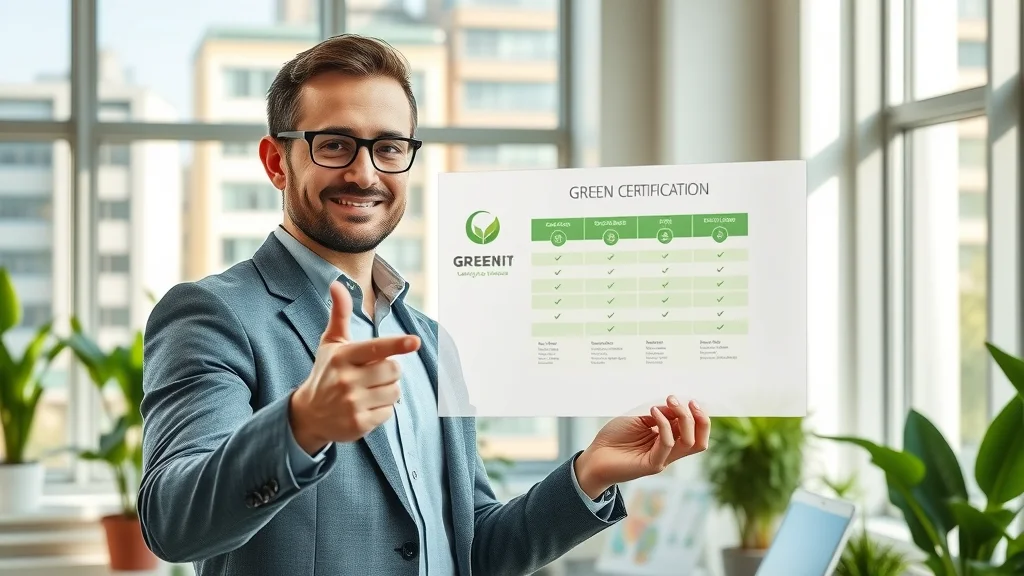
Achieving a green building certification is a multi-step process requiring early planning, cross-functional collaboration, and continuous documentation. It begins with selecting an appropriate certification system aligned with project goals and context. Next, construction management teams must integrate sustainable benchmarks—such as resource reduction, energy modeling, and commissioning—throughout design and construction. Detailed records, third-party assessments, and post-occupancy verification ensure compliance and measurable improvements over conventional buildings.
Best practices include stakeholder engagement, iterative performance evaluation, and post-occupancy feedback loops. By adopting these strategies, building professionals not only secure certification but gain access to competitive advantages, financial incentives, and increased market valuation. Most importantly, certification signals accountability and excellence in building practices to regulators, investors, and end users alike.
Sustainable Construction & Green Building in Practice: Industry Data and Academic Research
Statistics: Global Energy Efficiency and Environmental Impact
The drive for sustainable buildings and green buildings is supported by mounting evidence. According to the International Energy Agency, buildings account for 36% of final energy use globally. LEED-certified structures use, on average, 25% less energy and 11% less water, exemplifying the positive environmental impact that sustainable construction can achieve. These reductions translate directly into lower operating costs, improved urban air quality, and enhanced occupant health.
As regulatory bodies and the green building council increase standards for energy efficient design, the adoption curve for sustainable practices is steepening worldwide. New construction in North America, Europe, and emerging markets is outpacing traditional builds in green certifications, while corporate mandates and government policies are pushing for ever-higher standards in the built environment.
Research-Backed Benefits of Sustainable Building
The tangible and intangible benefits of sustainable building are significant and well-supported by research. Not only do green building projects reduce fossil fuel demand and preserve natural resources, but they also foster productivity and enhance well-being among occupants. Numerous academic studies and the US Green Building Council report improved cognitive function and decreased absenteeism in certified spaces due to superior air quality and daylight exposure.
On the financial side, energy savings and increased asset valuation provide attractive returns on investment, making sustainable construction strategic for owners, developers, and facility managers. Progressive organizations that embrace green building standards are also positioned to attract top talent, satisfy ESG mandates, and lower long-term risk.
“LEED-certified buildings use 25% less energy and 11% less water, on average.” – USGBC
Watch: Expert interview exploring how building councils drive sustainable practices in construction (Available on major video platforms).
Key Challenges and Solutions in Sustainable Construction & Green Building
Overcoming Barriers: Cost, Regulation, and Awareness
Despite the clear evidence supporting sustainable construction & green building, significant barriers remain. Upfront costs for materials, systems, and certification may be higher than traditional alternatives—although life-cycle savings often offset these expenses. Regulatory complexity and variation among regions can frustrate even sophisticated construction management teams. Lastly, a persistent awareness gap among some stakeholders may slow adoption or result in suboptimal outcomes.
Solutions include leveraging financial incentives, seeking early advice from the green building council, and investing in employee education. Collaborative industry bodies and academic partnerships are producing resources and tools that demystify the certification process and expose the full, long-term value of green buildings. Technology platforms now support rapid energy modeling and facilitate compliance, making it easier to meet advanced energy and environmental standards.
Collaborative Industry Approaches for Sustainable Practices
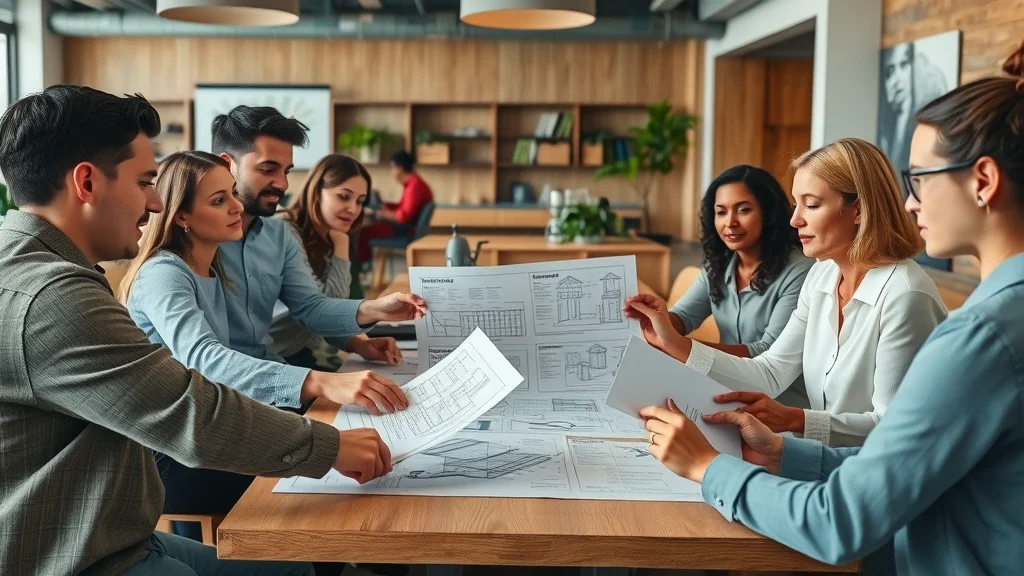
Major progress in green building is driven by collaboration. Construction firms, material suppliers, engineering consultants, policy makers, and academic researchers must work together to identify and implement best sustainable practices. Cross-sector alliances such as the World Green Building Council’s global initiatives have resulted in collective advancements in resource efficiency, renewable energy integration, and responsible sourcing.
Industry-driven standards and open access to performance data further enable broad participation and continuous improvement in sustainable construction. By embracing transparent reporting and active stakeholder engagement, the industry can overcome barriers, drive innovation, and accelerate the transition toward net-zero carbon buildings and greener cities for all.
People Also Ask: Sustainable Construction & Green Building
[PAA Question 1]
Answer: The foundation of sustainable construction & green building lies in designing, building, and operating structures in a manner that maintains ecological balance, reduces resource depletion, and supports long-term resilience. Research consistently demonstrates that these building practices drastically reduce the carbon footprint during every life cycle stage, lowering energy and water consumption while minimizing waste. By actively adopting green building materials, advanced building design, and robust certification frameworks, professionals in both developed and emerging markets help address climate change and set higher standards for the built environment.
[PAA Question 2]
Answer: According to the World Green Building Council and recent academic research, sustainable construction’s impact on the environment is most significant when projects are assessed and improved using life cycle methodologies. Green building council insights show that robust frameworks like LEED and BREEAM push project teams to pursue energy efficiency, renewable energy use, and waste minimization. These steps are academically verified to yield dramatic reductions in emissions, improve resource usage, and enhance human health—making sustainable construction & green building central to global climate and environmental strategies.
Top Sustainable Construction & Green Building Trends for 2024 and Beyond
- Integration of AI and smart technology for energy efficiency
- Modular construction with sustainable materials
- Rise of net-positive and regenerative buildings
- Circular economy principles in the built environment
- Global expansion of green building certification mandates
FAQs: Sustainable Construction & Green Building
What is the difference between green building and sustainable construction?
Sustainable construction broadly refers to the entire process of planning, designing, constructing, and operating buildings with minimal negative environmental impact across their whole life cycle. Green building, meanwhile, is concerned primarily with incorporating environmentally friendly features into the design, construction, and operation of specific buildings—often measured and validated through recognized certifications. Both approaches promote resource efficiency, but sustainable construction covers a broader, more systemic view of the built environment and its long-term effects.
How does LEED certification support energy efficiency?
LEED (Leadership in Energy and Environmental Design) certification establishes measurable criteria for resource efficiency, including energy use, water conservation, and indoor environmental quality. Projects earning LEED certification implement advanced energy-efficient building design, select high-performing systems and materials, and regularly monitor building performance through post-occupancy assessments. Studies show LEED buildings typically outperform their conventional counterparts with significant reductions in energy consumption and operational costs.
Which new materials are most impactful for sustainable buildings?
Innovative materials leading the green building revolution include bamboo (rapidly renewable), recycled steel (lowering extraction needs), low-carbon concrete (reduced process emissions), and cross-laminated timber (renewable and strong). Each supports smaller environmental footprints, durability, and improved energy efficiency, and increasingly features in modern, high-performing sustainable buildings.
Why is sustainable construction critical for emerging markets?
Emerging markets are experiencing rapid urbanization and infrastructure growth. Sustainable construction is vital in these contexts to manage resource constraints, mitigate climate risks, and enhance social well-being. Green building council initiatives and local certification programs in emerging economies have enabled the creation of affordable, resilient, and energy efficient structures that set new benchmarks for environmental responsibility and long-term economic success.
Watch: Video case studies of award-winning sustainable buildings worldwide for deeper industry insights (Available on major video platforms).
Key Takeaways: Sustainable Construction & Green Building Essentials
- Sustainable construction and green building practices are vital for environmental impact reduction.
- Certifications like LEED and BREEAM set global standards for energy efficiency.
- Emerging materials and technologies continue to advance the industry.
- Industry leaders and new professionals alike must remain educated on trends and best practices.
Continue Your Sustainable Construction & Green Building Journey
“The buildings we create today shape the world our children will inherit.”
For the latest in sustainable practices, green building technologies, and industry news, visit us at https://buildingconstructiontrade.com/ for more building and construction news
If you’re inspired to deepen your understanding of how design choices and innovative materials can transform living spaces, there’s a wealth of insight waiting for you. Exploring topics like color psychology and architectural finishes can further enhance the comfort and sustainability of your home. For a broader perspective on how thoughtful design and construction trends are shaping the future of residential spaces, our main site offers expert guidance and the latest industry developments. Take the next step in your sustainable building journey and discover how every detail—from structure to style—can contribute to a greener, more inviting home environment.
Building greener, smarter, and more sustainable is not just a trend—it's the benchmark for this generation and the next.
Sources
- International Energy Agency – https://www.iea.org/reports/global-status-report-for-buildings-and-construction-2019
- US Green Building Council – https://www.usgbc.org/press/leed-buildings-energy-water-use
- World Green Building Council – https://www.worldgbc.org/news-media/worlds-green-building-market
- BREEAM – https://www.breeam.com/
- WELL Building Standard – https://www.wellcertified.com/
- DGNB – https://www.dgnb.de/en/
- Building Construction Trade – https://buildingconstructiontrade.com/
To deepen your understanding of sustainable construction and green building, consider exploring the following resources:
-
The article “Sweden is Building the World’s Largest City Made Entirely From Timber” discusses Stockholm’s ambitious project to create a city constructed entirely from timber, highlighting the environmental benefits and innovative approaches in sustainable urban development.
-
The U.S. Environmental Protection Agency’s page on “Sustainable Design and Green Building” provides comprehensive insights into the principles and practices of green construction, emphasizing the importance of reducing environmental impact throughout a building’s life cycle.
If you’re serious about advancing your knowledge in sustainable construction, these resources will offer valuable perspectives and practical information.


Write A Comment