
Add Row
Add Element
cropper
update
BuildingConstructionTrade |a CapidHouser.com Media Site
update
Add Element
  • Home
  • Categories
    • roofing
    • loft conversion
    • Residential Buildings
    • office building
    • Plastering Rendering Screeding
    • Windows Glazing Doors
    • building machinery
    • groundworks
    • Building Construction Techniques
    • DIY
  • Scaffolding
  • Skip Hire Waste Removal
  • Home Extensions
  • Building Protective Coatings
  • Garden Rooms
  • Driveways
  • Building & construction marketing
  • featured business profiles
  • Architecture And Design
  • Materials
  • commercial construction
June 22.2025
2 Minutes Read

Why You Should Consider Silicone Rendering for Your Home

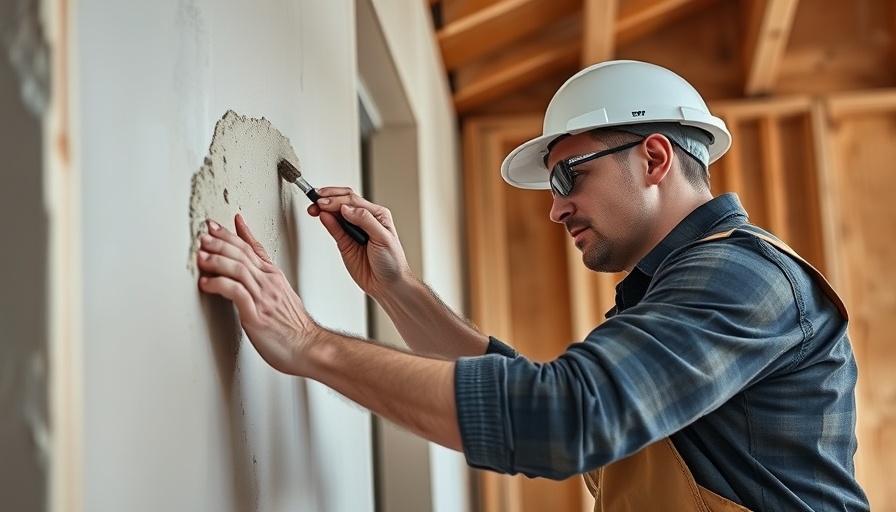
Skilled worker applying silicone rendering to a building wall.

The Rise of Silicone Rendering in Home Improvements

In the evolving world of home renovations, silicone rendering has emerged as a superior alternative to traditional sand and cement methods. This new rendering technique promises enhanced durability, a better aesthetic finish, and efficiency in application. While traditional methods have long been favored, homeowners and construction professionals alike are now considering the advantages that silicone-based solutions bring, especially in terms of durability and resistance to cracking.

In Say Goodbye To Sand Cement | Silicone Rendering A House FULL GUIDE, the video explores the transformative process of silicone rendering, prompting us to delve deeper into its benefits and applications.

Understanding Silicone Render: What Sets It Apart?

Silicone render is distinguished by its flexibility and water-repellent properties, which allow it to move with the underlying structure rather than cracking like traditional renders. By applying a silicone-based product, contractors can ensure a longer lifespan for the facade of a building, with minimal maintenance requirements over the years. Such benefits make it a highly sought-after option among both residential and commercial property owners when selecting rendering solutions.

Expert Tips for Applying Silicone Render

For professionals in the plastering and rendering arena, employing silicone render efficiently requires a keen understanding of the application process. Preparation is crucial; surfaces must be primed and free from old, flaky materials to ensure the best adhesion of the new layer. The process involves using a universal primer followed by a two-coat system of the silicone render, with mesh reinforcements to resist cracks. Knowing how to seamlessly integrate these steps can elevate a contractor's service offerings, leading to increased customer satisfaction and repeat business.

Color, Texture, and Customization in Rendering

A significant advantage of silicone render is its versatile aesthetic options. Available in diverse colors and textures, homeowners can achieve their desired look without sacrificing functionality. Whether opting for a smooth finish or a textured appearance, silicone render's customization possibilities allow buildings to stand out in any neighborhood. Understanding these variations can empower contractors to provide tailored solutions that meet specific client needs.

Final Thoughts on Silicone Rendering

The shift from traditional sand cement to silicone rendering represents not just a change in materials, but a move towards more sustainable, efficient, and long-lasting construction practices. As the construction industry leans into innovation, embracing such advancements leads to better results for homeowners seeking durable and aesthetic solutions for their properties. Therefore, whether you're a contractor or a homeowner, considering silicone render could very well be the upgrade your building needs.

If you are looking to embrace innovative construction methods for your next home renovation, consider professional domestic and commercial plastering services that specialize in silicone rendering. Reach out to experienced professionals to discuss options that best suit your needs today!

Plastering Rendering Screeding

6 Views

0 Comments

Write A Comment

*
*
Related Posts All Posts
12.15.2025

Unlocking the Secrets of Plastering Curved Surfaces: Essential Skills and Techniques

Update Mastering the Art of Plastering: A Key Skill for Professionals Creating dynamic interior spaces requires both artistry and technical skill, especially in plastering applications. One of the most complex plastering techniques involves curving elements under staircases, an area often overlooked by less-experienced contractors. In the detailed process outlined in the video titled Plastering the Impossible Curve Under a Staircase, we see the step-by-step breakdown of transforming an awkwardly shaped space into a seamless sculptural feature. This requires not just grasping the right mix of materials, but also mastering the necessary tools and techniques to ensure a flawless finish.In Plastering the Impossible Curve Under a Staircase, the discussion dives into advanced plastering techniques, exploring key insights that sparked deeper analysis on our end. Understanding Essential Materials One of the critical components in achieving a convex surface in plastering is the use of expanded metal lath (EML). Unlike typical plasterboard, EML provides the flexibility necessary for complex curves while offering a rugged surface that can hold the plaster mixture effectively. Contractors should look for reputable suppliers of Commercial & Residential Plastering & Rendering Services to ensure high-quality materials that enhance their work. The Importance of Proper Technique For those venturing into plastering, it’s crucial to learn efficient techniques. Using a proper combination of bonding agent and cement can drastically reduce setting time, an invaluable tip for contractors handling commercial projects or complex residential renovations. It's essential to apply multiple coats, allowing each to harden before proceeding to the next, creating a more manageable working environment. Varied Applications in the Industry This plastering technique isn’t limited to just residential settings. It can apply equally to commercial projects where aesthetic appeal is essential, such as in hotels and restaurants. The precision required in creating curves can drastically influence interior design choices, impacting buyer impressions and usability factors. Thus, offering dedicated Domestic & Commercial Plastering Solutions can differentiate a service provider in a competitive market. Actionable Insights for Homeowners and Contractors Homeowners looking to enhance their living spaces, or contractors seeking to perfect their craft, can greatly benefit from investing in professional plastering training or skilled services. Understanding how to apply decorative finishes not only adds character to a room but also cloaks necessary imperfections. Partnering with seasoned experts in Plastering Services in London can guarantee stunning outcomes, ensuring that delicate curves and intricate designs come to life seamlessly. Conclusion: Why Investing in Skill Development Matters In a world demanding ever-more intricate interior designs, learning advanced plastering techniques and understanding the materials required foster a competitive edge among professionals. Whether it's for residential spaces or commercial applications, learning how to create stunning plastered curves will surely become a valued skill. For those looking to take the plunge, consider reaching out for top-tier Professional Domestic & Commercial Plastering services to elevate your projects and achieve remarkable results.

11.24.2025

Choosing the Right Plaster for Your Home and Business Needs

Update Understanding Different Types of Plaster for Your Projects When embarking on plastering projects, whether for home renovation or commercial applications, it's crucial to select the right type of plaster. The video, "The ONLY Plaster Guide Beginners Need — Are You Using The Wrong Plaster??" effectively outlines the various plaster types, helping both novices and seasoned professionals make informed decisions.In "The ONLY Plaster Guide Beginners Need — Are You Using The Wrong Plaster??", the discussion dives into key plaster types, exploring insights that sparked deeper analysis on our end. One of the highlights is the distinction between different undercoat plasters. For fresh brickwork, hard wall plaster is recommended for its superior bonding capabilities. The video stresses the importance of not using PVA prior to applying hard wall, since it relies on the suction of the brick. Instead, wetting the brickwork ensures an effective bond. This aspect is particularly vital in commercial applications, where durability and adherence are paramount. Choosing the Right Products: Practical Tips for DIY and Professional Plastering The guide also delves into bonding plaster, suitable for medium to low suction backgrounds like plasterboard. This type can be problematic if not properly applied, as it requires a PVA application to prevent moisture loss, thereby avoiding cracks. Understanding these subtleties can save time and money in both domestic and commercial plastering services. Lime Plaster: An Eco-Friendly Alternative Lime plaster emerges as a standout solution, praised for its breathability. While it is more labor-intensive and costly than traditional sand-cement mixtures, its environmental benefits can't be overstated, making it an optimal choice for repairs on heritage buildings. This resonates with those looking to engage in commercial and residential plastering & rendering services while being environmentally conscious. Modern Alternatives: Advancements in Rendering Technology Another significant point is the introduction of modern rendering products like OCR (One Coat Render), which combines ease of application with breathable properties. These advancements could revolutionize how plastering is conducted both in domestic and commercial sectors. Enthusiastic DIYers and building professionals alike can benefit from these greater efficiency and flexibility in application. A Special Offer for Plastering Enthusiasts If you're eager to master the art of plastering, we invite you to explore a free online crash course that offers step-by-step guidance on techniques and tips for effective plaster application. Whether you're a homeowner considering minor renovations or a professional seeking to enhance your skills, this resource is invaluable.

11.16.2025

Repairing Blown Plaster: Essential Techniques for Homeowners

Update Understanding Blown Plaster: What It Is and Why It Happens Blown plaster is a term every homeowner should know, especially those embarking on renovations. It can occur due to surrounding movement, moisture infiltration, or deteriorating materials, leaving unsightly cracks and hollows. Identifying blown plaster early is crucial for maintaining the integrity and appearance of your walls.In Blown Plaster? Here’s the RIGHT Way to Fix It, the discussion dives into practical plastering techniques, providing insights that prompted this deeper exploration. The Right Approach to Fix Blown Plaster In our detailed analysis of Blown Plaster? Here’s the RIGHT Way to Fix It, we learned how to effectively repair such damage for commercial and residential properties. The process begins with assessing the area for loose plaster and checking for any underlying cracks that may indicate structural issues. Utilizing Proper Materials and Techniques When addressing blown plaster, using a mix of PVA adhesive and bonding plaster is essential for long-lasting results. PVA serves as a primer that reduces moisture absorption, ensuring that the bond remains intact. It's important to fill areas methodically with bonding plaster, rather than rushing to apply a finished coat, as this can prevent future cracks from appearing. Tips for Beginners: Perfecting Your Repair If you’re new to plastering, it's natural to feel intimidated. Techniques such as using a straight edge during filling can help achieve a flat finish. Ensuring that your adhesive is tacky before applying the final coat is another critical tip that can help prevent damage during drying. Common Mistakes to Avoid When Repairing Plaster A crucial takeaway from our review of the video is the importance of not attempting to patch small areas alone. Instead, consider plastering the entire wall for a seamless finish. This approach ensures not only aesthetics but also durability, as blended textures can often lead to a superior result. For anyone engaged in home repair, understanding these methods can make a significant difference. Remember, hiring professional domestic and commercial plastering services can also deliver flawless results if DIY isn't your preference. Investing in quality work today means reduced maintenance and increased property value in the future.

Terms of Service

Privacy Policy

Core Modal Title

Sorry, no results found

You Might Find These Articles Interesting

T
Please Check Your Email
We Will Be Following Up Shortly
*
*
*